AI Blog Writing Pros Cons: Should You Use AI or Not?
Discover the pros and cons of AI blog writing vs human creativity. Learn which is best for your content—explore AI blog writing pros cons in our expert guide.

AI Blog Writing Pros Cons: Automated Blogging vs Human Creativity — Which Should You Choose?
AI blog writing pros cons have become a key topic for business owners considering the best way to create content for their websites and online stores. With the rise of automated tools and platforms, such as those used by Devizzo—a digital agency specializing in custom websites, e-commerce, and apps—companies now have more options than ever for managing their blogs and digital content.
In this article:
- Key takeaways
- AI Blog Writing Pros Cons: A Comparative Overview
- Advantages of AI Content Creation for Blogging
- Drawbacks of AI Writing and the Value of Human Touch
- Which Solution Suits Your Business? Choosing Between Human and AI Blog Writing
- Frequently Asked Questions
- Conclusion
This article explains the advantages and drawbacks of using AI for blog writing versus relying on human creativity. If you are a business owner, e-commerce manager, or part of a team seeking effective digital solutions, you will learn how each approach can impact your brand, content strategy, and online growth. The aim is to help you choose the best fit for your needs, whether you opt for AI efficiency or the human touch in content creation.
Key takeaways
- AI blog writing offers significant time and cost savings but can lack the creativity of human writers.
- Automated blogging is ideal for businesses needing large volumes of consistent content.
- Human writers remain crucial for unique storytelling, complex topics, and authentic brand voice.
- A hybrid approach, like that offered by Devizzo, often provides the best balance for effective digital content.
AI Blog Writing Pros Cons: A Comparative Overview
When weighing the pros and cons of AI blog writing versus human-generated content, business owners must consider several core factors: efficiency, content quality, and the potential to scale their digital presence. Automated blogging solutions powered by AI are increasingly appealing, especially for agencies and companies aiming to maintain a steady content output without major investments in editorial teams. On the other hand, human writers bring a level of depth, nuance, and originality that machines still struggle to replicate.
To provide a clearer perspective, here’s a comparative table highlighting key differences between automated AI writing and human-written content:
| Criterion | Automated AI Blog Writing | Human-Written Content |
|---|---|---|
| Efficiency | Generates articles in minutes, ideal for high-volume needs | Slower process; depends on writer availability and research time |
| Quality & Originality | Consistent style, but may lack industry expertise and subtlety | Offers creativity, unique voice, and ability to reflect brand personality |
| SEO Optimization | Quickly integrates keywords; sometimes over-optimizes | Balanced keyword use and natural readability |
| Scalability | Effortlessly scales to hundreds of posts per month | Scaling requires growing editorial resources |
| Cost | Lower ongoing costs after setup; minimal human involvement | Higher per-article cost but adds value through insight |
| Brand Alignment | May need human review to ensure alignment with business goals | Easily tailored to specific brand tone and messaging |
Leading digital agencies such as Devizzo recognize that the best results often come from integrating both approaches. For example, Devizzo's use of proprietary AI tools enables rapid content production, while human editors ensure that every piece is relevant, accurate, and aligned with the client’s brand and business objectives. Solutions like Blog Archer demonstrate how automated blogging can be harnessed for efficiency, yet still be complemented by expert oversight for quality assurance.
For businesses in Serbia and the region seeking turnkey web solutions, understanding the strengths of both AI and human writing empowers better decisions about building a content strategy that is scalable, effective, and tailored to specific needs.
Advantages of AI Content Creation for Blogging

One of the most significant AI blog writing pros cons is the clear advantage AI brings in speed, cost-effectiveness, and consistency. Automated blogging platforms can generate and publish new content at a pace that human teams often find difficult to match, especially for businesses that require regular updates to stay competitive in search rankings and customer engagement.
AI content advantages stand out in several key areas:
- Speed: AI-powered tools can deliver fresh articles, product descriptions, and landing pages in minutes, not days. For example, Devizzo’s proprietary AI-driven solutions are capable of producing up-to-date product content for online stores and blog posts, directly supporting digital growth and SEO.
- Cost-effectiveness: Automating the content creation process reduces the need for large editorial teams, lowering costs for businesses of all sizes. This is particularly beneficial for SMEs and e-commerce businesses looking to expand their digital footprint efficiently.
- Consistency: AI ensures a uniform tone, style, and formatting across all content pieces, which is crucial for brand identity and professionalism—something that can be challenging when managing multiple human writers.
| Criteria | AI Blog Writing | Human Blog Writing |
|---|---|---|
| Speed | Instant content generation, 24/7 output | Slower turnaround, limited by work hours |
| Cost | Lower per-article cost, scalable | Higher costs, especially for frequent updates |
| Consistency | Uniform style and tone across all content | Potential for style variation between writers |
| Scalability | Handles large volumes easily | Limited by team size and capacity |
For businesses managing extensive product catalogs or frequently changing offers—such as those using Devizzo’s Blog Archer AI content engine—automated blogging means new topics, articles, and landing pages can be created and published without waiting for a copywriter. This automation is especially valuable for e-commerce companies aiming to Build Scalable Ecommerce Business, as it ensures that fresh, keyword-rich content supports both SEO and customer engagement, all while reducing manual workload.
Ultimately, leveraging AI for content creation enables businesses to keep pace with the demands of digital marketing and maintain a strong online presence with minimal delay or overhead. This is particularly effective when integrated into a comprehensive solution like those offered by Devizzo, where web development, content automation, and ongoing maintenance are managed under one roof.
Drawbacks of AI Writing and the Value of Human Touch
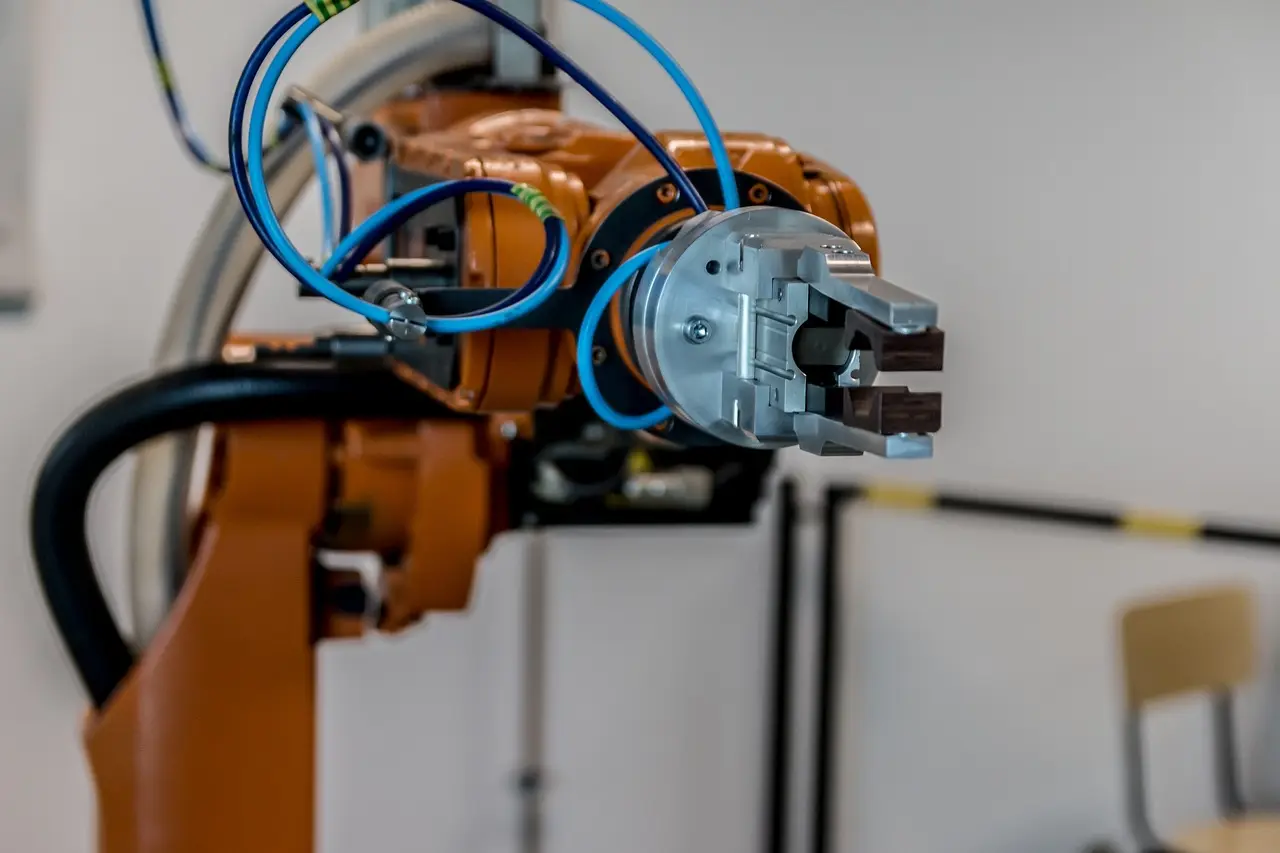
Automated blogging powered by AI has redefined how digital agencies, such as Devizzo, streamline content creation for web projects. However, despite the speed and scalability, AI-generated content comes with notable drawbacks that businesses should weigh carefully—especially those relying on a distinct brand identity or nuanced communication.
One major limitation is the lack of true creativity and nuance. While AI can generate grammatically correct articles at scale, it often misses subtle cultural references, fails to capture evolving industry trends, and may struggle to provide fresh insights or original thought leadership. This can result in blog posts that feel generic or disconnected from your audience. For companies in competitive markets like e-commerce or digital services, this lack of authenticity can diminish engagement and trust.
Another concern relates to SEO. AI-generated text may inadvertently introduce duplicate content or keyword stuffing, risking penalties or poor ranking on search engines. As covered in AI in SEO 2026, search engines are increasingly sophisticated in detecting low-quality or non-original material. Relying solely on automated blogging tools can thus undermine organic reach if not carefully supervised.
| Criteria | AI Writing | Human Writing |
|---|---|---|
| Originality | Limited; often reuses patterns | High; adaptable to unique ideas |
| Brand Voice | Generic; requires post-editing | Consistent and nuanced |
| Audience Engagement | Predictable; may lack emotional impact | Authentic; connects on a personal level |
| SEO Risk | Potential for duplicate or poor-quality content | Tailored for originality and compliance |
There are scenarios where the human touch remains irreplaceable. Businesses launching new products, redefining their brand positioning, or targeting niche audiences need storytelling that resonates. For example, when Devizzo develops a custom web store for a client aiming to stand out in a crowded Serbian e-commerce landscape, a human writer can infuse local context, humor, or case studies that automated blogging tools simply cannot match.
For those looking to balance efficiency with authenticity, hybrid solutions like Devizzo’s Copywriting service combine AI-driven productivity with human editing and insight. This ensures that content not only ranks well but also engages real readers and reflects the true spirit of your brand.
Which Solution Suits Your Business? Choosing Between Human and AI Blog Writing
Deciding whether to use automated blogging powered by AI or rely on human writers depends on your business goals, available resources, and the nature of your industry. For companies seeking rapid content production, consistent posting schedules, and scalable solutions, AI blog writing delivers clear advantages. However, if your brand demands nuanced storytelling, industry expertise, or highly specialized content, human creativity remains irreplaceable.
| Criteria | Automated (AI) Blog Writing | Human Blog Writing |
|---|---|---|
| Speed & Volume | Produces large amounts of content quickly, ideal for high-frequency posting | Slower, limited by human capacity, but allows for deep dives and research |
| Cost Efficiency | Lower long-term costs, especially for ongoing bulk content | Higher per-article cost, but potentially greater value for premium content |
| Originality & Depth | Factual, SEO-focused, sometimes generic; can lack unique brand voice | Unique tone, industry insights, creative storytelling |
| SEO Optimization | AI excels at keyword integration and technical optimization | Human writers can adapt to changing SEO trends and build authentic links |
| Brand Consistency | Consistent in tone and structure, but may require human review for alignment | Adaptive to brand voice and evolving messaging |
Devizzo’s integrated digital solutions offer a flexible approach, blending the strengths of both AI and human expertise. For example, e-commerce businesses can leverage the Blog Archer platform to generate product-focused content automatically, saving time while maintaining SEO performance. Meanwhile, companies targeting niche audiences or requiring persuasive copy can benefit from Devizzo’s tailored copywriting services, where human editors refine AI-generated drafts to ensure accuracy and brand alignment.
Ultimately, the best solution may be a hybrid approach—using AI for efficiency and volume, with human oversight for quality and strategic direction. This is especially true for businesses undergoing digital transformation or expanding into new markets, where both speed and authenticity matter. Whether you need to fill out a blog calendar, create landing pages, or optimize your site for trends like the Mobile Friendly Website 2026 initiative, Devizzo delivers content solutions tailored to your industry and growth stage.
If you’re ready to accelerate your online presence with turnkey digital content, discover how Devizzo can help. Explore their full-service blog writing and marketing solutions at devizzo.com.
Frequently Asked Questions
What are the main pros and cons of AI blog writing?
AI blog writing offers rapid content generation, consistency, and cost-effectiveness. However, it can lack original insight, emotional nuance, and may require human editing for quality assurance. While AI streamlines bulk content production, it sometimes produces generic or repetitive text that doesn’t fully capture brand voice or deep expertise.
Is AI-generated blog content good for SEO?
AI-generated content can improve SEO when optimized correctly, delivering relevant keywords, structured formatting, and frequent updates. However, search engines favor original, high-quality material. Overreliance on generic AI text may risk lower rankings if the content lacks authenticity or fails to meet user intent, so human oversight remains important.
How does automated blogging compare to hiring human writers?
Automated blogging with AI is faster and more cost-efficient, ideal for producing large volumes of content. Human writers, on the other hand, provide unique perspectives, creativity, and tailored messaging. For businesses seeking both efficiency and originality, a hybrid approach—using AI for drafts and humans for refinement—often delivers the best results.
Can AI content replace human creativity in blog writing?
AI can generate informative and structured blog posts but cannot fully emulate human creativity, storytelling, or nuanced understanding of complex topics. Human writers excel at connecting with audiences emotionally and adapting tone or style, making them essential for brands that value distinctive content and deeper engagement.
How do digital agencies like Devizzo use AI tools for content creation?
Devizzo integrates proprietary AI tools into its web development and digital marketing services, using automation for fast content drafts, product descriptions, and SEO optimization. These tools streamline content workflows, but expert editors ensure that each piece aligns with client branding and delivers real value to readers.
What type of businesses benefit the most from AI blog writing?
Small and medium-sized enterprises, e-commerce platforms, and agencies requiring frequent blog updates or large-scale content benefit most from AI blog writing. Automated solutions support digital transformation by accelerating content delivery and reducing costs, especially for businesses focusing on rapid online growth and visibility.
Ready to transform your business with efficient, high-quality content?
Explore how Devizzo’s AI-powered solutions and expert team can elevate your website, online store, or app with tailored content and seamless digital services. Visit devizzo.com to get started.
Conclusion
Choosing between automated AI blog writing and human creativity depends on your business goals, resources, and the level of personalization your audience expects. For companies seeking efficiency and scalability, AI-powered content can be a valuable asset, but the authentic touch and industry expertise of human writers often make the difference in building lasting connections. Digital agencies like Devizzo combine both approaches, leveraging proprietary AI tools and expert teams to deliver tailored web solutions, from custom websites and e-commerce platforms to full-service digital marketing and content creation.
If you are ready to elevate your company’s online presence with high-quality content and a comprehensive digital strategy, explore how Devizzo’s turnkey services can help—visit devizzo.com to learn more or request a consultation.
Related articles

AI product descriptions — Improve webshop content and sales
How AI product descriptions can improve your webshopPhoto: https://kaboompics.com/ / Pexels AI product descriptions can significantly improve your webshop. This article shows how artificial intelligence automatically generates attractive, precise, and optimized product descriptions, saving time and increasing sales.You will learn the key benefits of automated descriptions, how AI content improves the customer experience, and how it upgrades your digital catalog. You will get concrete advice for implementing AI product descriptions, plus an overview of the challenges you may face. In short AI product descriptions speed up the creation of quality content and reduce costs. Automated descriptions increase consistency and SEO performance of the webshop. Integrating AI content improves the customer experience and lifts conversions. It is important to supervise AI-generated descriptions and combine them with human creativity.What are AI product descriptions and how do they work? Photo: Mladen Šćekić / PexelsAI product descriptions are product texts generated by artificial intelligence, typically using advanced machine-learning models and natural language processing (NLP). These systems analyze product data (name, attributes, images, reviews) and automatically create unique, informative, and often personalized descriptions tailored to the target audience. Unlike traditional descriptions, which people usually write or copy from the manufacturer, automated product descriptions let you create a large volume of different texts quickly with minimal human work. AI tools use large datasets and learning algorithms to recognize which information matters most to buyers and how to present it clearly and commercially. Traditional descriptions AI-generated descriptions Every description written by hand Automatic generation from data Often generic and repetitive Personalized and adapted to the target audience Requires a larger team Saves time and resources Higher risk of human error Consistency and scalabilityAI can, for example, generate different descriptions for the same sneaker model depending on whether the text is shown to young athletes or business users looking for comfort. AI webshop content can include SEO keywords, highlight specific benefits, or even change communication tone to match the brand. If you want to learn more about the concrete benefits and strategies for successful use, see AI product descriptions: Increase sales with smarter copy. What are the benefits of automated product descriptions for webshops? Automated product descriptions bring numerous benefits for webshop owners, especially around speed, cost, and content quality. Speed and scalability of description production Classic product-description writing takes time and several people, especially with larger catalogs. With AI solutions, hundreds or thousands of descriptions can be generated within a few hours. That matters especially with frequent assortment changes or when migrating a catalog to a new platform. AI tools also make it easy to update existing descriptions, which drastically speeds up the launch of new products. Lower costs and fewer human resources Instead of engaging writers or agencies for every new description, automated processes can cut costs by up to 80%. The human factor remains important for a final check, but the core production and optimization become substantially cheaper. Resources freed this way can be redirected to other key parts of the business, such as marketing or customer support. Criterion Manual writing AI product descriptions Time for 1,000 descriptions 30+ days 1–2 hours People required 5–10 1–2 Cost (estimate) High LowConsistency and SEO optimization One of the key benefits of automated descriptions is consistency of tone and structure across the entire digital catalog. AI tools automatically adapt style, keywords, and attributes for SEO, which increases product visibility in search. They also reduce the risk of duplicate content or spelling errors that often appear with manual entry. For teams that want maximum efficiency, A complete e-commerce platform. Not a base plus add-ons — complete. offers solutions with integrated AI descriptions and a catalog that is easy to maintain and scale. Read more about how AI product descriptions increase sales and improve processes in our practical guide. How does AI webshop content improve the customer experience? AI webshop content changes the customer experience through personalized, engaging, and relevant product descriptions, which shows up directly in customer satisfaction and conversion growth. Personalizing descriptions based on user data With artificial intelligence, product descriptions can be adapted to each visitor based on previous purchases, interests, or demographic data. For example, AI can recognize that a user previously searched for running shoes and automatically highlight product features relevant to runners. This kind of personalization increases the chance that the user stays on the site and finds exactly what they need. Higher engagement and visitor retention Quality AI webshop content, with clearly highlighted benefits and the right communication tone, holds visitor attention substantially longer. Automated product descriptions can change dynamically based on seasonal trends, campaigns, or individual preferences. That increases engagement — users browse more, read more, and return to the site. Higher conversions through more relevant information AI product descriptions make it possible for every description to contain exactly the information that matters most for the purchase decision. Precisely targeted benefits, answers to potential questions, and the removal of ambiguities encourage users to buy faster and with more confidence. According to research, webshops that use AI-generated descriptions record conversion growth of up to 20% compared with standard, manually written texts. For additional advice on improving a webshop and automating marketing processes, see Your marketing team that doesn’t take a salary. Read more about the practical use of artificial intelligence in the guide AI product descriptions: Increase sales with smarter copy. How does AI improve a digital product catalog? Photo: Mikhail Nilov / PexelsAI product descriptions significantly improve a webshop’s digital catalog through automation, intelligent categorization, and fast adaptation to market changes. An automated process lets thousands of descriptions be generated and updated in real time, which is especially useful for large merchants with a dynamic assortment. Automatic catalog creation and updates Instead of entering every description by hand, automated product descriptions use AI to generate relevant text for each item from raw data. This significantly speeds up the launch of new products and the refresh of existing descriptions when new series or variants appear. ContentMiner is one of the tools that lets a catalog practically “write itself,” automatically turning technical data into sales copy and SEO attributes. Better product categorization and search AI webshop content improves search and filtering by using advanced models to analyze and assign the right categories, tags, and attributes to every product. That makes it easier for buyers to find items and optimizes the customer experience. For example, AI can recognize seasonal products or surface new trends, automatically highlighting them in the catalog. Precise tagging — AI recognizes key product attributes and assigns them to the right categories. Fast identification of new trends — automatically surfaces the most sought-after or seasonal products. Improved SEO — automatically generated descriptions contain relevant keywords for a better search position.Alignment with trends and seasonal changes AI tools can track demand changes and automatically adapt the digital catalog, highlighting products that are currently popular or relevant for a given season. This matters especially in fashion, sports equipment, or gifts, where the assortment changes quickly. For teams that want to fully automate the catalog and optimize it to current standards, we recommend looking at Everything your shop needs. How to implement AI product descriptions in an existing webshop Proper implementation of AI product descriptions in an existing webshop requires careful planning and the right tools. The market offers a large number of solutions, from specialized platforms to plug-and-play AI add-ons for popular CMS systems (such as Shopify, WooCommerce, and Magento). Overview of available AI tools and platforms AI tool/platform Supported CMS Key functions ContentMiner Shopify, WooCommerce, Magento (API integration) Automatic description generation, SEO optimization, catalog migration Jasper AI WordPress, Shopify Unique description generation, multi-language support Copy.ai Custom API, integration with various CMS systems Fast description creation, templates for different verticalsTips for integration with an existing CMS Check compatibility: Before choosing a solution, check whether the AI tool can integrate with your existing CMS without additional development. Automate the workflow: Use REST API integrations so new products automatically receive a description as soon as they are entered into the catalog. Set brand-voice rules: AI tools such as ContentMiner let you define communication tone and description style, which matters for webshop recognizability. Test on smaller product groups: Before a mass rollout, generate and review AI content on a limited sample.Tracking results and continuous improvement Analytics: Track metrics such as CTR, time on page, and conversion rate for products with AI descriptions. Customer feedback: Include an option for user reviews and comments specifically about the product description so you can identify any gaps. Iteration: AI tools learn from new data — regularly update models and adapt templates based on performance.Remember that automated product descriptions work best in combination with other AI solutions, such as automatic communication with customers. For example, Every customer gets the right email at the right moment. You send none. This kind of integration further improves the customer experience and can increase sales. What are the challenges and limitations of AI-generated product descriptions? AI product descriptions bring significant benefits to webshops, but they are not without challenges and limitations. The key issues relate to accuracy, originality, and cultural nuances that automated systems still do not fully recognize. Originality and accuracy: where AI can go wrong AI models often use existing data from the internet, which can lead to descriptions that are not always unique or precise for your product. The risk of incorrect information grows if the input data is incomplete or wrong — for example, AI can misinterpret technical attributes. Automated product descriptions can sound generic and inauthentic, which can affect brand perception.Ethnic, language, and cultural limitations AI webshop content often does not recognize local expressions, specific cultural references, or language nuances, which can confuse users or even cause misunderstandings. Language support is limited — while English and major world languages are well supported, local languages and dialects can be problematic for automatic generation of quality descriptions. Ethnic neutrality is not always guaranteed; AI can unintentionally use stereotypes or inadequate terms.Combining AI and human creativity for the best results The most effective approach is a combination of AI-generated descriptions and human supervision. AI can automatically generate core information and suggestions, and a human editor then adapts them, checks accuracy, and applies brand tone. That way you keep speed and time savings, as well as authenticity. For a deeper understanding of how AI tools can improve your digital catalog through automated descriptions, see the guide Automatic product descriptions: AI tools for a better webshop catalog. Keep in mind — Content is the most expensive part of marketing. With us, it runs itself. Combine automation with the human factor for optimal quality and relevance of descriptions. Frequently asked questions How does AI generate product descriptions? Artificial intelligence analyzes product attributes, user reviews, and relevant data, then uses advanced language models to create unique, informative, and attractive descriptions that match the target buyer group. Are AI product descriptions optimized for SEO? Most AI tools for product descriptions use search-optimization strategies, including relevant keywords and phrases, which help product visibility in search engines and increase organic traffic to the webshop. How reliable are automated product descriptions? Automated AI descriptions are largely reliable, but a final check is recommended for accuracy and brand fit. Quality depends on tool settings and the data entered. How do I choose the right AI tool for my webshop? The right AI tool is chosen based on compatibility with the existing platform, integration options, quality of generated descriptions, and SEO support. Testing several tools before a final decision is recommended. Can AI product descriptions improve online sales? Quality AI descriptions increase product attractiveness, make it easier for users to decide, and can contribute to a higher conversion rate, which directly affects online sales growth. Can AI automatically update a digital catalog? Advanced AI tools enable automatic updates of the digital catalog when specifications, prices, or product availability change, which saves time and reduces the chance of errors. Conclusion AI product descriptions are a powerful tool for improving webshops, because they enable faster production of quality, personalized content, which positively affects sales and customer satisfaction. With proper implementation, AI can significantly ease the maintenance and development of digital catalogs, but it is important to stay aware of potential challenges as well. Consider how AI product descriptions could contribute to your webshop and take the first step — explore available AI tools and test them on smaller product groups. That way you can assess potential benefits and adapt the strategy to your business needs.
Devizzo
8 August 2026

AI product descriptions: Automate content and increase sales
How to use AI product descriptions to automate content in an e-commerce storePhoto: Daniil Komov / Pexels AI product descriptions can significantly speed up and simplify content production for your e-commerce store. This article walks you through every step needed to automatically generate, review, and publish product descriptions with advanced AI tools.You will learn what you need to start, how to choose the right tool, prepare data, and generate descriptions that sell. Finally, you will learn how to automate the entire process and keep the product catalog current without extra effort. In short AI product descriptions speed up and simplify content creation for e-commerce. Manual review and optimization are key to the quality and relevance of AI content. Automatic content generation can significantly improve SEO and the customer experience. Proper integration of AI tools makes it easier to scale and regularly update the product catalog.What you need for automatic content generation Photo: TREEDEO.ST / PexelsTo start automatic content generation with AI product descriptions, the following steps are key to a successful process: Choose a reliable AI platform for product-description generation. Research which AI platforms support automatic content generation specifically for e-commerce. Compare options by accuracy, support for Serbian, integration options with your e-commerce system, and price. We recommend choosing a tool that easily imports and processes data from an AI catalog, plus support for SEO optimization. When the step is successful, you have an AI tool ready to process your data. Prepare data for input into the AI catalog. Collect high-resolution product images and all core attributes (name, category, dimensions, material, key specifications). Organize data in a structured format (CSV, Excel, Google Sheets, or via API) for faster, more precise input. Check correctness and completeness of data before starting automatic generation. When the step is successful, the AI tool clearly displays imported products and is ready to generate descriptions. Set goals and standards for content quality. Define the length, style, and tone of descriptions that fit your store’s brand. Set standards for SEO optimization — for example, a minimum character count, keywords, content uniqueness. Define parameters for grammar and spelling checks, plus alignment with platform requirements (for example, a ban on duplicated sentences). When the step is successful, the AI tool can automatically create descriptions according to the given criteria without extra manual corrections.Tips: If you need an efficient process for editing and publishing articles and descriptions, consider a content generator that supports multi-stage work, SEO analysis, and automatic integration with your e-commerce system. Step 1: Choose the right AI tool for the product catalog Choose an AI tool for product-description generation according to the following steps: Research the most popular AI tools specialized for e-commerce. Compare options such as Jasper, Copy.ai, Writesonic, and Hypotenuse AI — all offer automatic content generation and AI catalog features. Pay attention to whether the tool supports your e-commerce platform (Shopify, WooCommerce, and similar) and local language. Evaluate the key selection criteria: Criterion Description Sample questions Language support Does the tool generate quality content in Serbian? Do the generated AI product descriptions fit your brand? Integration Ability to import and export data from/to your store. Does the tool support your platform? Does it have an API? Price Do you pay monthly, per description, or by number of products? Is there a free trial? What are the hidden fees? Compare advantages and drawbacks of the most common solutions: AI tool Advantages Drawbacks Jasper Fast integration, e-commerce templates, large community More expensive, limited features in Serbian Copy.ai Easy to use, multilingual support Needs extra setup for a product catalog Hypotenuse AI Automatic processing of large catalogs, SEO integration Less flexibility in text styling Test a demo version — practically check the quality of generated AI product descriptions on your own sample. Enter at least 5 products from your catalog, compare results, and pay attention to detail. Use advanced options such as a report with your name and your color — in two clicks, to see how AI descriptions work in your brand environment.When the step is successfully completed: On screen you see a list of AI-generated descriptions for your products, with the option of direct integration into your e-commerce system and clear options for editing and export. Step 2: Prepare data for input into the AI catalog Prepare data for input into the AI catalog precisely and consistently, because the quality of input information directly affects the efficiency of automatic content generation. Follow these steps: Organize core product data in a table or CSV file. For each product enter: name, category, basic description, key attributes, condition (new/used), availability, SKUs, and barcodes. Use consistent column names and make sure there are no empty fields. Prepare quality photos and accurate specifications. Photos should be high resolution, with a neutral background and the product clearly shown. Check specifications (dimensions, material, colors, functions) twice — AI product descriptions become relevant and useful only with precise data. Align data with SEO requirements and your store’s needs. Include relevant keywords in product names and descriptions. Check that all data is optimized for local search: first in your city — where clients actually look is a strong direction for additional optimization. Pay attention to input length — overly long texts make readability harder, while overly short ones do not provide enough information.When you have successfully prepared the data, the AI catalog user interface shows a clearly structured product list with all key information and photos. You are ready for automatic content generation — every product has a complete, accurate “input”, and AI product descriptions will be relevant, unified, and SEO-optimized. Step 3: Generate AI product descriptions according to your needs Photo: Sommart Sopon / PexelsStart generating AI product descriptions by defining in detail what you expect from the content: Set communication tone and description style according to the brand and target audience: Choose among options such as: professional, friendly, inspirational, educational, or humorous tone. Define description length (short, medium, detailed) and whether you want expert terms or everyday language. Automatically create multiple description variants for each product for A/B testing: Enter the number of variations you want (for example, 3 or 5 different versions per product). Add specific attributes that each version should emphasize (for example, environmental benefits, warranty, exclusive features). Save all description variants in the AI catalog for later performance comparison. Adapt descriptions to the target audience and SEO strategy: Insert primary and secondary keywords relevant to the product and category. Define geographic or demographic traits of the audience (for example, local expressions, topics important for a given age group). If you want additional SEO advice, check an SEO checklist with detailed guidelines for optimizing every description.During each step, use the option to preview generated descriptions. When generation is successful, you will see: One or more AI product descriptions according to the desired parameters (tone, style, keywords). The option to download descriptions in different formats (CSV, JSON, direct input into the platform). Comparison of variants for A/B testing within the system.If you are not sure what to write in the description or how to use specific AI advantages for your store, stop guessing what to write — use ready questions and suggestions that lead to more precise, more effective AI product descriptions. Step 4: Review and optimize generated AI product descriptions Review and optimize generated AI product descriptions by following these steps: Manually review every AI-generated product description. Open each description from the AI catalog and read it carefully. Compare the description with the actual product attributes so you avoid incorrect information. Identify parts that sound generic or do not match your brand tone. Edit the content for uniqueness and accuracy. Change expressions that repeat or are too similar to other product descriptions. Add specific details characteristic of your product. Use keywords such as “AI product descriptions” and “automatic content generation” in a natural way. Check alignment with brand identity. Read the description and check whether it matches your communication style (formal/informal, expert/more relaxed tone). If you have a brand-tone guide, compare the AI description with the recommendations in that guide. Apply uniqueness-checking tools. Use online plagiarism-checking tools and avoid duplicated descriptions within the AI catalog. If a description is not unique, adapt it further. Implement feedback for continuous improvement. Record frequent errors or gaps in generated descriptions. Return that information to the AI tool (for example, through a “feedback” option or model settings) so the next generations of descriptions are higher quality.When you successfully complete this step, you will see that your AI product descriptions are clear, accurate, unique, and fully aligned with your brand identity. They will be ready for automatic content generation and publication in your e-commerce store. For extra confidence and a fast check of every detail of your site, use everything about your site on one page — and what to do next, and easily recognize where you can still improve descriptions and overall content quality. Step 5: Automate publication and updating of AI descriptions in the e-commerce system Automate publication and updating of AI product descriptions in your e-commerce system step by step: Connect the AI catalog with your e-commerce platform. Choose the integration that matches your platform, for example Shopify or WooCommerce. Enable API connection or use available plugins for automatic retrieval of AI product descriptions. Test synchronization on a small number of products to check that AI descriptions display correctly. When this action is successful, on the product-edit page you see updated AI descriptions without manual entry. Automate description updates on every product change. Set a rule: every time you add a new product or change an existing entry, the AI system generates and updates the description. Set automatic refresh at intervals (for example, daily or weekly), so AI descriptions always follow current data. Define exceptions (for example, manually written descriptions are not changed without your permission). When the setting is correct, you automatically see updated AI descriptions as soon as you change data or add a new product. Track AI description performance and their impact on sales and SEO. Enable tracking of clicks, time on page, and conversions on pages with AI product descriptions. Compare traffic and SEO positions before and after implementing automatic content generation. For a detailed optimization sequence and clear concrete steps on what to check first, use: you don’t need another list. You need an order of work. When the system is set up correctly, the dashboard shows metrics: visit growth, better positions, and the impact of AI descriptions on sales.Tips: With automatic content generation, regularly review whether AI product descriptions keep accuracy and brand consistency. Test performance on smaller groups of items before a full rollout. If you use multiple e-commerce channels, check that the integration covers each of them (for example, site + marketplace).Frequently asked questions Are AI product descriptions good enough for my webshop? AI product descriptions can be very high quality if you use advanced tools and further adapt them to your target audience. Manual review and possible refinement are recommended so every description is relevant, accurate, and matches your brand tone. How do AI product descriptions affect SEO and search positioning? Quality AI-generated descriptions can improve SEO, provided they are original, informative, and adapted to keywords. Avoid duplicated content and generic phrases, because search engines value uniqueness and usefulness of descriptions for users. Can automatic content generation replace human work? Automatic content generation can significantly speed up work, but it cannot fully replace human creativity and quality control. The best results come from combining AI tools with human supervision and adapting content to the specifics of your store. How do I choose the best AI tool for creating product descriptions? Choose an AI tool based on language support, customization options, ease of use, and integration with your platform. Test several options and check user reviews so you choose the solution that best matches your needs. How often should AI-generated descriptions in an online store be updated? Descriptions should be updated when you change the assortment, introduce new products, or refresh the SEO strategy. A periodic check once every 6 to 12 months is recommended so you ensure relevance and alignment with trends and search engines. What are the most common mistakes when using an AI catalog? The most common mistakes include too much automation without supervision, neglecting content uniqueness, ignoring SEO recommendations, and leaving unverified data. Always check generated descriptions and adapt them to the specifics of your brand and market. Conclusion Using AI product descriptions can significantly improve the efficiency and quality of content in your e-commerce store, enabling you to save time and react faster to assortment changes. Automating this process not only raises the professional level of product presentation, but also improves the customer experience and market positioning. Start by exploring AI tools that best match your needs and test automated description generation on a few products. That is the easiest way to assess the benefits and opportunities for improving your online business.
Devizzo
13 August 2026

AI Content Creation Tools for Business Success
How AI Content Creation Tools Are Transforming Business Content StrategiesAI content creation tools are rapidly changing how businesses approach digital content. This article reveals how these tools help companies streamline website creation, automate product descriptions, and boost SEO — all while saving time and resources. In this article: Key takeaways What Are AI Content Creation Tools and How Do They Work? How Are Businesses Using AI Copywriting and Automated Blogging? What Are the Key Benefits and Challenges of Business Content Automation? How to Choose the Right AI Content Creation Tool for Your Business Needs Frequently Asked Questions Conclusion For business owners and teams searching for a complete digital solution, agencies like Devizzo in Serbia and the region use proprietary platforms and AI to deliver turnkey websites, online stores, and applications. Discover how leveraging AI-driven content automation can transform your business strategy and what to consider when choosing the right tool for your needs. Key takeaways AI content creation tools streamline and automate various business content needs. Businesses benefit from faster turnaround, scalability, and consistent quality with AI-powered solutions. Partnering with agencies that provide proprietary AI platforms, like Devizzo, ensures tailored and efficient content strategies.What Are AI Content Creation Tools and How Do They Work? AI content creation tools are software solutions powered by technologies like machine learning, natural language processing (NLP), and deep learning. These platforms are designed to generate, optimize, and automate business content, reducing manual effort and accelerating digital marketing processes. At their core, these tools analyze vast datasets—from product data to trending topics—and learn linguistic patterns to produce tailored written content that matches specific business goals. Common use cases for AI content creation tools include: AI copywriting: Automatically generating web copy, product descriptions, ad texts, or email content that is relevant, engaging, and search engine optimized. Automated blogging: Producing regularly scheduled blog posts on industry-relevant topics, often based on keywords or content gaps, with a consistent brand voice. Business content automation: Streamlining tasks such as content calendars, newsletter scheduling, and bulk content updates for websites or online stores.For example, agencies like Devizzo leverage proprietary AI platforms to offer turnkey digital solutions. As a digital agency focused on building websites, online stores, and custom applications, Devizzo integrates AI content automation directly into their services. This approach means that businesses—whether small e-commerce startups or larger enterprises—can launch new projects without the headache of manual content preparation or ongoing content updates. A practical illustration is the use of ContentMiner, an AI-driven tool that transforms raw product data into compelling product descriptions, SEO metadata, and selling attributes for entire catalogs. By embedding such AI modules, Devizzo enables clients to migrate catalogs, maintain a consistent brand voice, and automate content enrichment, all within a unified platform. This not only accelerates time-to-market but also ensures that business content remains fresh, relevant, and optimized for digital success. How Are Businesses Using AI Copywriting and Automated Blogging?AI content creation tools are rapidly becoming essential in the digital strategies of businesses across different sectors. From digital marketing agencies to e-commerce firms, these tools support a wide range of tasks—most notably AI copywriting and automated blogging—that help companies publish more content, faster, and often at a higher quality baseline than traditional manual methods. In digital marketing, AI copywriting tools generate email campaigns, landing page texts, and social media posts tailored to specific audiences. This not only accelerates the content production process but also enables A/B testing at scale, as businesses can quickly create and compare multiple content variations. For blogging, automated blogging platforms can suggest topics based on trending keywords, draft outlines, and even write entire blog posts ready for editorial review. This is particularly effective for agencies and teams managing multiple clients or brands, ensuring a steady flow of fresh, SEO-optimized content without overwhelming human writers. E-commerce companies see some of the most tangible benefits. For example, Devizzo integrates AI-generated product descriptions directly into its Shopakt online stores. By using proprietary AI tools, Devizzo’s clients receive unique, SEO-rich product descriptions that are automatically generated from raw catalog data. This eliminates the bottleneck of manual content entry for hundreds or thousands of products, accelerating store launches and catalog updates. The ContentMiner tool, available at ContentMiner, is a prime example—turning raw product data into persuasive, brand-aligned descriptions, SEO elements, and detailed attributes for entire catalogs. Business owners benefit from: Speed: AI tools can generate and update large volumes of content within minutes, significantly reducing time-to-market for new sites, online stores, or content campaigns. Scalability: Automated blogging and copywriting systems allow companies to scale their content output without hiring additional staff, making it feasible to run multiple blogs or keep large e-commerce catalogs up to date. Consistent Quality: AI ensures that brand voice, SEO standards, and formatting remain uniform across all pages and posts, even as the content volume grows.For those exploring the future of online stores, features such as automated SEO, AI-driven marketing, and dynamic content calendars are covered in detail in the Online Store Features 2026 guide. What Are the Key Benefits and Challenges of Business Content Automation?Business content automation, powered by advanced AI content creation tools, has redefined how companies approach digital marketing, website management, and e-commerce communication. For agencies like Devizzo, which deliver turnkey digital solutions for web development and online stores, these tools offer tangible advantages when integrated with proprietary platforms and processes. Key Benefits of Business Content Automation Time Savings: Automated generation of blog posts, product descriptions, and landing page content reduces manual effort, accelerating project delivery. For instance, integrating AI-powered modules with posting and content calendars ensures consistent output without daily intervention. Cost Efficiency: By minimizing the need for a large editorial team, businesses can allocate resources more strategically. Solutions like AI copywriting and automated blogging decrease ongoing content production costs, making professional content accessible even for smaller enterprises. Enhanced Personalization: AI tools analyze customer data and behavior to tailor content for specific audiences, boosting engagement and conversion rates. When combined with SEO frameworks—such as those built into Devizzo’s web projects—personalized content also drives organic reach.Main Challenges of Content Automation Quality Control: While AI tools can produce large volumes of content, ensuring accuracy, relevance, and tone alignment remains challenging. Human review is essential, especially for specialized or brand-sensitive topics. Originality: Automated systems may generate repetitive or generic output if not properly configured or supervised. Maintaining unique value and creativity is crucial for differentiation and SEO performance. Human Oversight: Even the most advanced tools cannot fully replace editorial judgment. Businesses must establish clear editorial guidelines and provide regular feedback to AI systems to refine results.Tips for Integrating AI Tools into Your Workflow Adopt a hybrid approach: Combine AI-generated drafts with human editing for maximum quality and authenticity. Define clear brand voice and style guidelines for AI modules, ensuring output matches your business identity. Utilize AI-driven content calendars to automate scheduling and distribution, leaving your team free to focus on strategy and analytics. Solutions like Posting and content calendar enable seamless planning and publishing across channels. Establish checkpoints for manual review, especially for critical or evergreen content. Regularly train and update AI models using new data from your industry and audience feedback.To learn more about optimizing automated content for conversions, see Write Product Descriptions That Convert. How to Choose the Right AI Content Creation Tool for Your Business Needs Choosing the right AI content creation tools is a strategic decision that shapes how efficiently your business produces and manages digital content. Whether building a new website, launching an online store, or scaling content operations, the selection impacts everything from SEO to customer engagement. Here are the most important factors to consider: Integration: Can the tool connect smoothly with your website, e-commerce platform, or CRM? For businesses relying on unified digital solutions, such as those provided by Devizzo, seamless integration ensures that AI-generated content supports both marketing and operational workflows. Scalability: Does the platform adapt to growing content needs—like supporting hundreds of product pages or multiple content channels? Tools like ContentMiner, for example, automate descriptions across entire catalogs, helping your online store expand without bottlenecks. Language Support: If you serve multilingual markets in Serbia or the region, your AI tool should generate content in multiple languages—ensuring local relevance and compliance with market expectations. Customizability: Can you tailor tone, style, and structure to match your brand? Proprietary solutions, like those developed by agencies that control both the platform and AI modules, offer far more flexibility than generic, off-the-shelf software.Partnering with a digital agency that offers proprietary AI solutions and end-to-end service brings significant advantages. Devizzo, for instance, delivers not just the AI tool, but a complete environment—hosting, SEO optimization, and ongoing content management—reducing the risk of fragmented systems and duplicated effort. If you’re exploring trends in automation and SEO, resources like SEO Strategies 2026 offer valuable insights into how AI can future-proof your content strategy. Checklist for Evaluating AI Content Creation Tools or Agencies Criterion Why It Matters What to Ask Integration Ensures content flows into your website, shop, and marketing tools without manual steps Does the tool support API or direct integration with your platforms? Scalability Supports rapid growth and high content volume Can it handle catalog-wide updates and multiple content channels? Language & Tone Control Delivers content tailored to market and brand voice Can the AI be trained or adjusted to specific brand guidelines? Automation Features Streamlines repetitive content tasks (e.g., product descriptions, blog scheduling) Does it offer automated blogging or AI copywriting for your workflows? Service Model Reduces vendor management and ensures a single point of accountability Is full support (hosting, SEO, maintenance) included with the AI solution?By prioritizing these factors and working with agencies that combine proprietary platforms with AI-driven automation, you ensure your business content automation is both effective and sustainable. Explore how Devizzo’s tailored solutions can transform your digital content strategy at devizzo.com. Frequently Asked Questions What types of content can AI content creation tools generate? AI content creation tools can generate a wide range of content, including website copy, product descriptions, blog articles, social media posts, email templates, and even ad copy. Agencies like Devizzo leverage these tools to deliver tailored content for web pages, e-commerce product listings, and marketing materials, all optimized for digital platforms. Are AI-generated articles good for SEO? When properly optimized and reviewed, AI-generated articles can be effective for SEO. With the right prompts and human oversight, AI tools can produce keyword-rich, relevant content that aligns with search engine algorithms. Devizzo, for example, integrates SEO best practices into both their AI-driven website and online store content for improved search visibility. How can businesses ensure the quality of AI-generated content? Quality is ensured by combining AI automation with expert review. Businesses should use AI tools to draft content, then have it edited and fact-checked by professionals. Agencies like Devizzo blend AI efficiency with human creativity to deliver accurate, engaging, and brand-consistent content across web, e-commerce, and app platforms. What is the difference between AI copywriting and traditional copywriting? AI copywriting uses algorithms to generate content quickly and at scale, while traditional copywriting relies on human writers for creativity and nuanced messaging. The best results often come from combining both approaches—AI for efficiency and volume, human expertise for strategy and tone, as practiced by digital solution providers like Devizzo. Can AI content creation tools integrate with existing CMS or e-commerce platforms? Many AI content creation tools offer integrations with popular CMS and e-commerce platforms. Agencies such as Devizzo develop their own platforms and also ensure seamless content integration with systems like Shopakt, enabling automated product descriptions and content updates for online stores and websites. Is content created by AI tools unique and original? AI-generated content is unique in its phrasing and structure, but originality depends on the data and prompts provided. To avoid duplication, it’s essential to customize prompts and review outputs. Devizzo’s approach includes refining AI-generated text to ensure every website or online store features distinctive, brand-specific content. Ready to transform your business content strategy? If you want turnkey digital solutions powered by AI—from websites and e-commerce stores to custom applications—explore how Devizzo’s expertise and proprietary tools can elevate your brand’s online presence. Learn more at devizzo.com. Conclusion AI content creation tools are rapidly changing the way companies approach business content, bringing greater speed, automation, and adaptability to digital strategies. For business owners and teams seeking growth, these technologies offer a practical path to higher efficiency and more engaging content across websites, online stores, and applications. Agencies like Devizzo, specializing in turnkey digital solutions—including web development, e-commerce platforms, and content automation powered by proprietary AI—demonstrate how integrated tools can streamline content production and digital transformation for clients of all sizes. If you want to unlock the advantages of AI-driven content creation and transform your digital presence, explore how Devizzo’s comprehensive services can support your business needs. Learn more or get started today at devizzo.com.
Devizzo
10 September 2026