Choose Business Domain Name: Tips for the Best Choice
Learn how to choose the best business domain name with expert tips. Boost your brand, improve SEO, and attract more customers with the perfect domain name.

How to Choose the Best Domain Name for Your Business
Choosing the right domain name is one of the most important first steps when launching your business online. If you want to choose business domain name that supports growth, trust, and visibility, it’s crucial to understand what makes a domain effective. This article will guide you through the key factors to consider, from branding tips to technical choices.
In this article:
- Key takeaways
- Why Does Your Business Website Domain Matter?
- What Are the Essential Domain Selection Tips?
- How to Find Brandable Domains for Your Business?
- Should You Register Multiple Domains and Which Extensions to Choose?
- Frequently Asked Questions
- Conclusion
Whether you are building a custom website, online store, or digital platform, the domain you select can influence your brand reputation and search engine rankings. Drawing on experience from Devizzo, a digital agency specialized in turnkey web solutions, you’ll learn expert strategies for finding a memorable and brandable domain that fits your goals. By the end, you’ll know how to secure the perfect online identity for your business.
Key takeaways
- A carefully chosen domain name builds trust and supports your brand identity.
- Short, memorable, and relevant domains perform best for business websites.
- Brandable domains and the right extensions increase visibility and credibility.
- Registering multiple domains helps protect your brand and improve SEO.
- Professional digital agencies like Devizzo can guide you through domain selection, registration, and ongoing management.
Why Does Your Business Website Domain Matter?
Your business website domain is far more than just an address—it’s the foundation of your online identity. The right domain name directly influences your branding, credibility, and discoverability, which are critical for attracting and retaining customers. For businesses seeking comprehensive web solutions, such as those provided by Devizzo, the domain name is the first digital touchpoint that can determine whether a visitor stays or leaves.
Branding and Recognition: A well-chosen domain name reinforces your brand every time someone types or sees it. It should be memorable, easy to pronounce, and ideally reflect your business name or main value proposition. For example, an e-commerce company launching a turnkey store with Shopakt will benefit from a domain that instantly communicates the product niche or store brand, making marketing efforts more effective.
Credibility and Trust: Today’s users are cautious—an unprofessional or confusing domain can immediately raise doubts about legitimacy. A clear, brandable domain boosts trust, especially for new visitors. Avoiding numbers, hyphens, and strange extensions helps your business appear established and reliable, which is essential when offering digital services or online shopping.
SEO and Visibility: Search engines consider domain names when ranking sites. Incorporating relevant keywords, while staying brand-focused, can enhance your SEO. For instance, including your main service or industry in the domain can help you rank higher for those terms, making it easier for potential clients to find your site when searching for services like web development, hosting, or digital marketing.
- First Impressions Matter: Your domain is the first thing clients see—make sure it’s simple, relevant, and authoritative.
- User Trust: A professional domain reassures visitors that they’re dealing with a reputable business, which is crucial for conversion and retention.
- Digital Growth Support: As your business evolves—adding new services like e-commerce, hosting, or custom applications—a scalable and adaptable domain makes expansion smoother.
Ultimately, the right domain name gives your business a competitive edge. When combined with expert web development and digital marketing, such as the turnkey solutions from Devizzo, it becomes a central asset in your online strategy.
What Are the Essential Domain Selection Tips?

When you are about to choose a business domain name, several essential factors can significantly impact your brand’s digital presence and long-term growth. Here are some actionable domain selection tips tailored to companies seeking comprehensive digital solutions, such as those offered by Devizzo:
- Keep it short and memorable: A concise domain is easier for customers to recall and type. Aim for 6–15 characters if possible. For example, a web store selling artisan coffee might benefit from “beanmarket.com” instead of “thebestartisancoffeeonline.com”.
- Avoid hyphens and numbers: Hyphens and numbers complicate verbal sharing and increase the risk of typos. Domains like “shopakt.com” are preferable over “shop-akt123.com”.
- Reflect your business and services: The domain should clearly relate to your business name, core services, or products. For instance, an agency specializing in turnkey web solutions benefits from a domain that signals expertise, such as “devizzo.com”.
- Think of your target audience’s expectations: Consider what your customers will search for and the keywords they associate with your industry. If targeting e-commerce, including keywords like “store,” “shop,” or your main product can help.
Align the Domain with Business Goals
Choosing a domain name that fits current offerings and future expansion is crucial. If your business might diversify, pick a name that remains relevant. For example, using “devizzo.com” allows for growth from web development to digital marketing and app development, without limiting perception to a single service.
| Domain Feature | Why It Matters | Example |
|---|---|---|
| Short and simple | Easy to remember and type | shopakt.com |
| No hyphens or numbers | Prevents confusion and miscommunication | devizzo.com vs. dev-izzo23.com |
| Brandable and relevant | Supports marketing and SEO efforts | beanmarket.com for a coffee store |
For those building a professional image and planning for digital transformation, selecting a domain that is scalable and brandable from the start is a smart investment. This ensures consistency across your website, online store, and future applications. For additional guidance on building your online presence, see How to Choose Business Website.
How to Find Brandable Domains for Your Business?

Finding a brandable domain name is crucial for making your business stand out online. A truly brandable domain is unique, easy to pronounce, and instantly gives visitors an idea of what your business offers. When choosing a business domain name, look for options that are short, memorable, and free from confusing hyphens or unusual spellings. For example, a digital agency like Devizzo benefits from a name that is concise and immediately signals expertise in web solutions, rather than a generic or hard-to-remember web address.
Here are key characteristics of a brandable domain:
- Uniqueness: Avoid using generic keywords or phrases that blend in with competitors. Your domain should be distinct and not easily confused with others in your industry.
- Pronounceability: Easy pronunciation helps with word-of-mouth sharing. If potential clients can easily say and recall your domain, it supports stronger offline and online branding.
- Clear Association: Ideally, your domain hints at your business’s core services or values. For Devizzo, including words related to digital, web, or solutions immediately builds the right association.
To brainstorm creative domain ideas, leverage AI-powered tools and domain name generators. These resources can suggest combinations and alternatives you might not have considered, especially when common names are already taken. Devizzo incorporates AI not only in its digital marketing and e-commerce services but also in project planning, which shows how AI can drive smarter, faster branding choices. For example, using AI-generated product descriptions and business names can accelerate the launch of a unique online store. For more on scaling your presence, see Build Scalable Ecommerce Business.
Another important domain selection tip is to maintain consistency across digital channels. This means aligning your domain with your business name and your handles on social media platforms. Consistent branding makes it easier for customers to find and remember your business, strengthening your reputation across the web. For e-commerce companies, using a platform like Shopakt ensures your store’s identity is unified from domain to checkout, reinforcing trust and recognition.
Should You Register Multiple Domains and Which Extensions to Choose?
Choosing one domain name is only the beginning—savvy business owners often go a step further by registering multiple domains and carefully selecting extensions. This strategy not only strengthens your brand but also protects it from competitors and improves your visibility in local and regional markets.
Domain Extensions: Which One Is Best for Your Business?
When you choose a business domain name, the extension (TLD) you select can influence customer trust, SEO results, and even how easily your brand is found in Serbia and the ex-YU region. The table below compares popular extensions and their typical business use cases:
| Extension | Use Case | Recommended For | SEO/Brand Value |
|---|---|---|---|
| .com | International, universal business | Any business targeting customers outside Serbia | High (global trust, memorable) |
| .rs | Serbia-localized sites | Businesses focused on the Serbian market | High for local SEO, local credibility |
| .net | Technology, networks, digital agencies | IT, SaaS, and digital service providers | Moderate (alternative when .com is taken) |
| .com.hr, .ba, .si | Country-specific in ex-YU region | Firms targeting Croatia, Bosnia, Slovenia | High for regional SEO |
| .eu | Pan-European branding | Businesses with EU-wide presence | Moderate (shows international scope) |
Why Register Multiple Domains?
- Brand Protection: Securing similar domains (.com, .rs, .net, etc.) prevents competitors from registering confusingly similar names and protects your business identity.
- SEO Advantages: Redirecting regional domains to your main site can boost your visibility for local searches and help customers find you more easily in their market.
- Easy Expansion: If you plan to grow into new countries, owning local extensions like .ba or .hr streamlines future launches and marketing efforts.
- Typo Safeguard: Registering common misspellings and redirecting them ensures no traffic is lost due to user error.
Domain Security and Ongoing Maintenance
Registering multiple domains means more to manage. It’s vital to keep all your domains secure, renewed, and connected with up-to-date DNS and SSL certificates. Partnering with a digital agency that offers managed hosting and comprehensive domain support, such as Devizzo, can relieve you of this burden. Their hosting services include SSL, daily backups, and 24/7 monitoring, which is especially beneficial if your business depends on uninterrupted online presence—whether for a main website, an online store, or mobile-first solutions (see Mobile Friendly Website 2026).
Choosing the right set of domains and extensions is not just a technical decision, but a strategic move for brand growth, customer trust, and regional success. For expert help in managing your domains, hosting, and digital presence, explore Devizzo’s solutions at devizzo.com.
Frequently Asked Questions
How do I choose the right domain name for my business?
Select a domain name that reflects your brand, is easy to spell and remember, and avoids complex characters. Aim for a name that matches your business identity and is relevant to your industry. If you work with a digital agency like Devizzo, professionals can help secure a name that aligns with your business goals and digital presence.
Is it better to use .com or a local domain extension for my company?
.com domains are globally recognized and trusted, ideal for businesses with international ambitions. However, a local extension (like .rs for Serbia) can boost local credibility and SEO. Devizzo often recommends choosing based on your target market—.com for broader reach and a local extension for strong regional branding.
What should I do if my preferred business domain is already taken?
If your desired domain is unavailable, try variations by adding keywords, using different extensions, or integrating your business location. Avoid numbers and hyphens for clarity. Digital agencies such as Devizzo can assist with creative alternatives or domain acquisition negotiations to secure the closest possible match.
How many domains should a business register for brand protection?
Register your exact business name with major extensions (.com, local, and popular alternatives). Consider securing common misspellings and relevant keywords to prevent competitors from acquiring similar domains. For comprehensive digital protection, agencies like Devizzo can help you create an effective domain registration strategy tailored to your brand.
Do keywords in a domain name help with SEO?
Including relevant keywords in your domain can provide a slight SEO advantage and clarify your business focus to users. However, prioritizing brandability and simplicity is more important. Devizzo combines keyword research and branding to help clients choose domains that support both search visibility and professional image.
Are short or long domain names better for business websites?
Short domain names are generally better—they are easier to remember, type, and share. Aim for concise names that avoid ambiguity. If a short name isn’t available, prioritize clarity and relevance. Devizzo’s web development team ensures your domain is both user-friendly and aligned with your business objectives.
Ready to secure the perfect domain for your business?
Entrust your digital presence to experts who handle everything from domain selection to website launch. Visit Devizzo for turnkey web solutions tailored to your business needs.
Conclusion
Choosing the right domain name is a crucial step in building a strong digital presence for any business, as it directly impacts branding, visibility, and customer trust. For companies aiming for seamless growth and an effective online strategy, a carefully selected, brandable domain is not just an address—it's the foundation of digital success. With so many details to consider, from extensions to memorability, it’s essential to make informed decisions that align with both business goals and future expansion.
If you want to ensure your business stands out with a professional domain and a fully tailored website, consider partnering with a digital agency that offers comprehensive solutions. Devizzo delivers custom web development, e-commerce, and application services, leveraging proprietary platforms and AI tools for efficient results. Take the next step towards a powerful online presence and explore everything Devizzo can offer at https://devizzo.com.
Related articles

How to launch an online store easily, without developers — 2024
How to launch an online store without developers or an agencyPhoto: Atlantic Ambience / Pexels Want to know how to launch an online store without hiring developers or an agency? This guide walks you through every key step, from choosing a platform to launching and promoting your store.We will show you what you need to start, how to add products yourself, how to set up payments, and how to cover the legal details. Follow the steps and build a working webshop quickly, easily, and without technical knowledge. In short Launching an online store without developers or an agency is realistic today with modern AI webshop platforms. With the right platform and careful setup, you can launch a working online shop in a few days. Good content, quality images, and basic promotion are essential for the first success of an online store.What you need for an online shop without developers Photo: Ketut Subiyanto / PexelsPrepare everything you need to launch an online shop without developers: Secure the basic equipment: A computer (desktop or laptop; a tablet with a keyboard can work) Stable internet (at least 10 Mbps for upload/download) A starting budget (for domain, hosting, and the first platform payment — often from €30–50 per month at the start) Prepare the key elements: Domain — choose an easy-to-remember name, preferably .rs or .com Hosting — often included with the e-commerce platform, but confirm that it is Business email (for example sales@mystore.rs) — you can get it with hosting or through the platform Once this is ready, you can register an account on the chosen platform without mistakes and without wasting time. Choose the right e-commerce platform without an agency or developers: Platform type Advantages Drawbacks Best for SaaS (Shopify, Wix, WooCommerce.com, Devizzo) Fast setup, technical support, no server maintenance Monthly subscription, limited customization Beginners, small and midsize businesses Open source (WordPress + WooCommerce) Full control, free core Requires more knowledge, often needs specialists Advanced users with IT experience AI webshop platforms Automated build, AI assistance, fast optimization Still a newer segment — choose the provider carefully Entrepreneurs without technical skills who want a fast start For a first online shop without developers, we recommend proven SaaS or AI e-commerce platforms such as Shopakt, our complete e-commerce platform, which put everything in one place — from the storefront to the admin panel and SEO options.Once you have chosen and activated the platform, you will see the starting interface for entering data and visually configuring the store without writing code. Step 1: Choose the right AI webshop platform Choose an AI webshop platform that lets you launch an online shop without developers and without an agency. AI webshop platforms such as Shopify, WooCommerce, Wix, or Shopote offer intuitive tools, automated suggestions, and support through the entire store-building process. Their biggest advantages are: Fast store launch — you can have a working shop in less than a day No coding required — everything is done in a visual editor Automatic integrations with payments, delivery, inventory, and analytics AI tools for product descriptions, image optimization, and customer recommendationsCriteria for choosing an AI webshop platform Criterion What to check Examples Ease of use Is there a drag-and-drop editor? Are settings straightforward? Shopify, Wix Support Is there chat, email, or phone support in Serbian or English? Shopote, WooCommerce (community) Price Is the base price final, or are there hidden add-ons? Shopify charges for add-ons; a complete e-commerce platform includes everything in the package Integrations Does it connect easily with local couriers, ERP, and payment methods? WooCommerce has many add-ons; Shopote has local integrationsChoose a platform based on these criteria. When you decide, create an account: Visit the official website of the chosen platform. Click “Sign up” or “Start free trial”. Enter your email, store name, and basic information. Choose a starting template for the store look. Confirm your email address and open the admin panel of your new store.After this step, the platform dashboard will show an overview of your new store, product settings, orders, and further configuration options. You are now ready for the next steps in this guide on how to launch an online store without developers. Want the full process — from order to invoicing and accounting — on one platform? From the customer's click to closed books — no gaps in the process. Step 2: Set up the look and features of the store Set up the look and features of the online store through these steps: Choose and customize a theme without code In the AI webshop admin panel, find the themes section (Themes/Design). Browse the offered designs — choose by industry (for example fashion, electronics, food) or layout (grid, list, large images). Click the theme you want, then choose “Customize/Edit”. Arrange elements (menu, banners, featured products) with simple drag and drop. Save the changes and preview the demo. When the step is successful: You see your chosen design with a custom layout on the homepage, without writing code. Add a logo, colors, and brand elements In the branding section (Branding/Identity), upload your logo (recommended: PNG with a transparent background). Choose primary and secondary colors that match your visual identity. Enter the store name and slogan, if you have one. Set fonts for headings and body text (choose readable, modern fonts). When the step is successful: Your online shop without developers has a recognizable visual identity on every page. Add the core store features In the features menu, find and activate these modules: Product search — lets customers find the item they want quickly. Filters by category, price, and attributes — for easier browsing of the catalog. Shopping cart — a clearly visible icon and a review of selected products. Checkout — a simple, clear purchase process, ideally in two or three steps. Make sure all elements work on mobile devices (responsive design). When the step is successful: A customer can search, filter, add to cart, and complete a purchase without errors on any device.For more detailed advice on branding and free AI tools for content, read: Content is the most expensive part of marketing. With us, it works for free. Step 3: Add products and organize categories Photo: Max Fischer / PexelsAdding products and organizing categories correctly is essential for a good user experience and successful sales. Follow these steps to set up your assortment in an online shop without developers: Enter products into your AI webshop platform: Open the product management section (usually “Products” or “Catalog”). Choose “Add new product”. Manually enter the name, price, description, and product images. If you have a larger number of items, use “Import” (usually via CSV or Excel). The platform will show instructions — follow the column order (name, SKU, description, price, images). Check the product display — the platform lets you preview items before you publish them. When the step is successful, you will see a list of products with basic details and images in the admin panel. Create categories and tags for easier navigation: In the assortment organization section, click “Add category”. Enter a name (for example “Men’s clothing”, “Footwear”, “Sale”) and a description if you want. Add subcategories for more precise sorting (for example “T-shirts” inside “Men’s clothing”). For extra filtering, use tags — for example “eco”, “new”, “discount”. You assign tags to products later. Add products to the right categories and tag them. When you finish, site menus and filters let customers search quickly and find the product they want. Prepare quality product images and descriptions: Use high-resolution images (at least 1000×1000 px) with a white or neutral background. Show each product from several angles. The first image should clearly show the basic look of the item. Keep the description specific: list material, dimensions, distinctive benefits, and usage instructions. Use keywords (name, type, brand) in the description and title for better SEO results. Modern platforms can automatically optimize images and suggest descriptions with AI. For additional integrations (for example connecting to an existing ERP or warehouse, or sending products to other channels), everything your business already uses connects here.When products and categories are in place, your online shop without developers looks organized, and customers can easily filter, search, and find what they need. Step 4: Set up payments, delivery, and legal information Connect payment processors. Find the payments section in your AI webshop admin. Choose the payment methods you want to offer customers: cards (Visa, MasterCard), PayPal, cash on delivery, or bank transfer. Follow the instructions for connecting each method: often it is enough to enter an API key, merchant ID, or email address. Some platforms offer automated connection; others require you to confirm details and test a transaction. The customer will see every option you activate at checkout; test each one before the official launch. Set delivery options and costs. In the delivery section, add all courier services and methods you use (for example express delivery, pickup, international shipping). Enter costs for each option or set a free-shipping rule above a certain amount. If you want B2B and B2C features in the same system, use a solution such as retail up front, wholesale in the same system. When the customer enters an address, they will automatically see available options and the exact shipping amount. Add legal pages. Prepare and publish the pages that are legally required for every online shop without developers and for e-commerce without an agency: Privacy policy — explain how you use and store user data. Terms of use — clearly define the rules of purchase and site use. Returns and complaints policy — state deadlines, procedures, and contact details. These pages must be linked in the site footer and on the order confirmation page so they are always easy to find.When all steps are complete, the admin panel shows activated payment methods, clearly defined delivery options, and links to legal pages. During checkout the customer sees a transparent overview of all costs and rights, which increases trust and reduces abandoned carts. Step 5: Launch the online store and promote it Test the store before you launch it officially: Place a test order as a customer — add products to the cart, choose a payment method, and enter delivery details. Check that the system displays shipping costs and the total price correctly. Complete a payment (with a test card if possible) and confirm the transaction goes through without errors. Check that automatic emails reach the customer and the administrator — for example the order confirmation. Open the admin panel and confirm that the order is visible and can be processed without issues.When everything works, you will see the order in administration, the confirmation email in the inbox, and clearly displayed order statuses. Promote an online shop without developers using basic channels: Open business accounts on social networks (Facebook, Instagram, TikTok) and regularly publish products, promotions, and practical stories. Launch Google Ads with a clearly defined budget — focus on keywords your customers search for. Collect email addresses from visitors and send a newsletter with current offers, discounts, and useful advice.Once promotion is active, you will track growing visits and first orders coming from different sources. Tracking results and basic optimization Connect the store to Google Analytics and Search Console. Analyze traffic sources, time on site, and best-selling products. Check basic SEO parameters (titles, descriptions, images with alt text). A tool such as we do not hope Google likes your site — we measure it helps you measure and improve SEO results without guessing. Update content based on what users view or search most — improve product descriptions and add useful blog posts.When optimization works, you will notice a better position in Google search, more organic visits, and sales growth without extra ad spend. Frequently asked questions Is it possible to launch an online store with no programming knowledge at all? Yes. You can launch an online store without programming knowledge using platforms such as Shopify, WooCommerce, or Wix. These platforms offer simple tools for creating and managing a store, with ready-made templates and guides that make the process easier even for complete beginners. What is the cheapest AI webshop platform for beginners? Ecwid is one of the most affordable AI webshop platforms for beginners, with a free plan and automated functions. Shopify Starter and Wix eCommerce are also cost-effective options that offer basic AI tools and low monthly costs for small online stores. How do I connect domestic payment processors to an online shop? Connecting domestic payment processors is usually done through official plugins or integrations offered by standalone platforms such as WooCommerce or Shopify. Open an account with the chosen processor (for example Payten, Monri, or iPay), download the plugin, and follow the installation and connection instructions. How long does it take to launch an online store on my own? Launching an online store on your own can take from a few hours to a few days, depending on store complexity, the number of products, and how prepared you are. Using ready-made platforms and templates, you can finish a basic store in one day. Do I need a registered company for online sales in Serbia? For legal online sales in Serbia you need a registered company or a sole proprietorship. This allows you to issue invoices to customers and work with payment processors, and to comply with all tax and legal rules that apply to e-commerce. How can I improve the visibility of my online shop without extra costs? Improve visibility for free by using social media, search engine optimization (SEO), writing blogs about your products, and taking part in relevant forums and groups. Sharing useful information and connecting with the audience increases organic traffic without spending money. Conclusion Launching an online store is simpler today than ever, thanks to advanced AI platforms that let you build a professional webshop without programming knowledge or hiring an agency. The key is to focus on the right tools and steps that save time, money, and energy, and that get you to market quickly. Your next step is to research available AI webshop platforms, compare their features, and choose the one that best fits your needs. Do not wait — with the right tools, your online store can be ready to sell today.
Devizzo
17 July 2026

Write Website Calls to Action That Get Results
How to Write Effective Calls-to-Action for Your WebsiteIf you want to boost conversions on your business website, you need to know how to write website calls to action that truly work. Effective CTAs turn visitors into leads and customers, but many sites miss this crucial step. In this article, you’ll discover practical methods for crafting CTAs that deliver results. In this article: Key takeaways What You Need to Get Started Step 1: Define Clear Objectives for Your CTA Step 2: Write Website Calls to Action That Convert Step 3: Test, Optimize, and Analyze Your CTAs Frequently Asked Questions Conclusion Drawing on the experience of Devizzo, a digital agency that creates custom websites, online stores, and applications using its own platforms and AI tools, you’ll learn actionable strategies suited for companies of any size. Whether you’re a business owner or part of a team planning a new site or store, this guide will show you how to set objectives, write compelling calls to action, and optimize them for maximum impact. Key takeaways Effective website calls to action are specific, action-driven, and tailored to business goals. Strategic CTA placement and testing are key to increasing website conversions. Devizzo’s comprehensive digital solutions support clients in creating and optimizing high-impact CTAs.What You Need to Get Started To write website calls to action that truly convert, start by establishing a clear foundation. Use these steps to make sure you are ready to craft CTAs that resonate with your audience and support your business goals: Identify your website’s main goals and your ideal audience. Define whether your priority is to generate leads, increase online sales, schedule consultations, or encourage newsletter sign-ups. Segment your audience: Are you targeting small business owners, growing e-commerce brands, or established enterprises looking for digital transformation? For example, a B2B company seeking a turnkey online store will respond to different CTAs than a local entrepreneur exploring custom app development. When done right, you’ll have a list of specific goals and a clear profile of your primary website visitors. Understand the unique value Devizzo offers to your segment. Review Devizzo’s complete digital service offering—such as the ability to deliver both website creation and ongoing maintenance, or the use of proprietary platforms and AI tools for faster delivery and content creation. Consider how Devizzo’s “all-in-one” approach can address common pain points, like needing web development, SEO, and hosting from a single provider. Relate these strengths to your objectives: if your goal is to launch an online store with integrated payment and B2B functionality, note how Devizzo’s Shopakt platform supports this. You’ll know this step is successful when you can state—clearly and in one sentence—why Devizzo is uniquely positioned to help your business increase website conversions. Gather effective call to action examples and study their context. Collect CTAs from websites similar to your own or from successful brands in your field. Pay attention to language, placement, and what action is being encouraged. Note both the CTA copy and the context: is the CTA leading to a free consultation, a demo, a direct purchase, or a resource download? Evaluate which CTAs align with your goals and audience, and which are relevant to Devizzo’s service types (such as “Get Your Custom Website Quote” or “Start Your Digital Transformation Today”). By compiling a list with notes on what makes each example work, you’ll have a practical reference for shaping your own CTAs.With these foundations in place, you’ll be ready to write website calls to action that not only fit your business, but also leverage Devizzo’s strengths to increase website conversions. For a transparent overview of all services and starting prices, including website creation, online stores, and SEO, see Everything we do, in one place. Step 1: Define Clear Objectives for Your CTABefore you write website calls to action that truly convert, start by defining exactly what you want your visitors to do. This step will help turn generic prompts into focused CTAs that drive measurable business results. Follow these actionable steps: Clarify the Desired Action Decide on the specific action that aligns with your business goals. For a digital agency like Devizzo, effective CTAs might encourage visitors to: Request a project quote Book a consultation for a new website or online store Download an e-commerce checklist Contact for a digital transformation audit Ask yourself: What is the single most valuable action a visitor can take on this page? Connect CTA Goals to Business Outcomes Each CTA should have a direct link to a key metric such as increasing website conversions, acquiring qualified leads, or boosting signups. For example, a CTA like “Get Your Free Security Audit” not only prompts engagement but also builds a sales pipeline for services like website development or maintenance. Leverage Full-Service Insights for Relevance Because Devizzo offers end-to-end digital solutions, CTAs can be tailored to suit different industries and business sizes. For e-commerce, a CTA might focus on booking a demo of a Shopakt-powered store. For service providers, it could be scheduling a consultation about SEO or hosting. Analyze which services are most relevant to your audience and shape the CTA accordingly. Insights from blog resources, such as Website Security Small Business, can inspire CTAs that address timely pain points.Once you complete this step, you should have one or more clear, actionable objectives for each CTA—such as “Start Your Project Today” or “Request a Free Consultation”—that are directly linked to your business outcomes and the unique digital services Devizzo provides. When visitors see your CTA, they will immediately understand what action to take and why it matters for their goals. Step 2: Write Website Calls to Action That ConvertTo write website calls to action that convert, implement these proven CTA tips in a way that matches your business goals and speaks directly to your target audience: Use action-oriented language. Start your CTAs with strong verbs that prompt immediate action. Instead of generic phrases like "Submit" or "Click Here," opt for specific instructions such as "Get Your Custom Website Quote," "Start Your Free Consultation," or "Launch Your Online Store Today." For digital agencies like Devizzo, this approach highlights the value and service expertise clients can expect. Keep your CTAs concise and focused. Limit your calls to action to a few impactful words. This eliminates confusion and makes it clear what the next step is. For example, on a product page for online store development, use "See Shopakt Demo" or "Request Store Pricing" to guide visitors effectively. Create a sense of urgency or added value. Encourage users to act now by including phrases like "Today," "Now," or "Limited Offer." When presenting a hosting or maintenance service, use CTAs such as "Secure Your Website Now" or "Get 24/7 Protection Today" to motivate quick decisions. Tailor CTAs to each website page. Place different CTAs on your homepage, service pages, and blog posts to match the visitor’s intent. A homepage might feature "Boost Your Business Online," while a service page could include "Start Your Project with Devizzo." On blog posts, relevant CTAs such as Improve Website Loading Speed can guide readers to valuable next steps. Position CTAs strategically for maximum visibility. Place primary CTAs above the fold, at the end of sections, and within content where user intent is highest. Test different placements on your website to see which locations result in higher engagement and conversions.When these steps are executed effectively, your website visitors immediately understand the next action to take, whether that’s requesting a custom quote, exploring e-commerce solutions, or contacting your team. This clarity helps increase website conversions, especially for businesses aiming for comprehensive digital solutions under one roof. For more inspiration, consider the following call to action examples that align with Devizzo’s services: "Get Your Custom Website Quote" "Launch Your Online Store Today" "Request App Development Consultation" "Upgrade to Secure Hosting" "Optimize My Site for SEO"By applying these techniques, visitors will see clear, persuasive prompts tailored to their needs, making it easier for them to take the next step toward digital transformation with Devizzo. Step 3: Test, Optimize, and Analyze Your CTAs To ensure your efforts to write website calls to action actually increase website conversions, move beyond guesswork. Systematically test, optimize, and analyze each CTA you deploy. Here’s how to proceed: Run A/B Tests: Create at least two versions of a CTA—change the wording, button color, or placement on your web page. Use A/B testing tools to randomly show different CTA versions to your visitors. If your site runs on Devizzo’s custom platform, leverage built-in AI assistant features for rapid variant generation. Set clear goals: Are you measuring clicks, form submissions, or completed purchases? Example: On an e-commerce product page, test “Buy Now” versus “Get Yours Today” to see which drives more checkouts. Monitor Analytics & Conversion Rates: Track CTA performance with analytics platforms—look for metrics like click-through rate (CTR) and conversion rate. Identify underperforming CTAs and analyze user behavior; heatmaps can reveal if calls to action are being missed due to poor placement or design. Adjust as needed: update text, change position, or alter the design for higher impact. Leverage AI and Integrated Tools: Use Devizzo’s digital marketing and AI-powered optimization to automate CTA improvements. AI can suggest phrasing or placement based on real user interaction data. For ongoing campaigns, combine CTA analysis with resources like the Website Launch Plan to ensure that optimization aligns with your broader digital goals. Example: If you’re running an online store built with Devizzo’s Shopakt platform, let integrated analytics recommend CTA adjustments for specific product categories.When these steps are successful, you’ll see noticeable improvements in your most important metrics—higher click rates, more completed forms, and increased sales. The process isn’t one-and-done; make optimization part of your regular digital strategy. Frequently Asked Questions What makes a call to action effective on a business website? An effective call to action (CTA) is clear, specific, and relevant to the target audience. It should direct visitors toward a valuable next step, such as requesting a quote or starting a project. For businesses using comprehensive digital solutions like Devizzo’s, CTAs that highlight unique benefits—like tailored web design or AI-powered e-commerce features—perform best. How many CTAs should I use on my homepage? Ideally, a homepage should feature one primary CTA and one or two secondary CTAs. This approach keeps the user focused without overwhelming them, ensuring a clear path toward conversion. For example, a digital agency may offer “Get a Free Consultation” as a main CTA and “View Portfolio” as a secondary option. Can you give examples of strong CTAs for online stores? Strong CTAs for online stores include direct, action-oriented phrases such as “Shop Now,” “Add to Cart,” or “Start Your Free Trial.” Online storefronts built on platforms like Shopakt by Devizzo can further benefit from CTAs like “Discover AI-Powered Recommendations” or “Unlock Exclusive B2B Pricing,” tailored to their unique features. How do I measure the success of my website CTAs? Success can be tracked using metrics such as click-through rate (CTR), conversion rate, and user engagement. Integrating analytics tools helps monitor how visitors interact with CTAs. For businesses, reviewing these metrics regularly allows for continual optimization of CTAs to drive better results, especially when using custom platforms. Should CTAs be different for mobile and desktop users? Yes, CTAs should be optimized for both mobile and desktop experiences. Mobile users benefit from larger, easily tappable buttons and concise text, while desktop versions can include more detail or supporting visuals. Responsive web design, like that offered by Devizzo, ensures CTAs remain effective across all devices. What are common mistakes to avoid when writing CTAs? Common mistakes include vague language, too many CTAs on a single page, poor placement, and lack of visual contrast. Avoid generic phrases like “Click Here,” and ensure each CTA aligns with the user’s needs. Clear, strategic CTAs tailored to your business goals lead to higher engagement and conversions. Ready to improve your website’s CTAs? If you want expertly crafted calls-to-action that turn visitors into customers, discover Devizzo’s turnkey web solutions for businesses of all sizes. Learn more at devizzo.com. Conclusion Creating effective calls-to-action is essential for driving engagement and conversions on your website. By focusing on clear objectives, compelling messaging, and continuous optimization, businesses can ensure their CTAs truly resonate with their audience. For companies in Serbia and across the region that want a seamless digital presence, leveraging tailored platforms and AI-driven solutions can make all the difference. If your business needs a custom website, online store, or full digital transformation—with everything from hosting to maintenance—Devizzo offers complete solutions under one roof. Discover how strategic CTAs and a well-crafted digital platform can accelerate your growth by visiting Devizzo.
Devizzo
22 September 2026
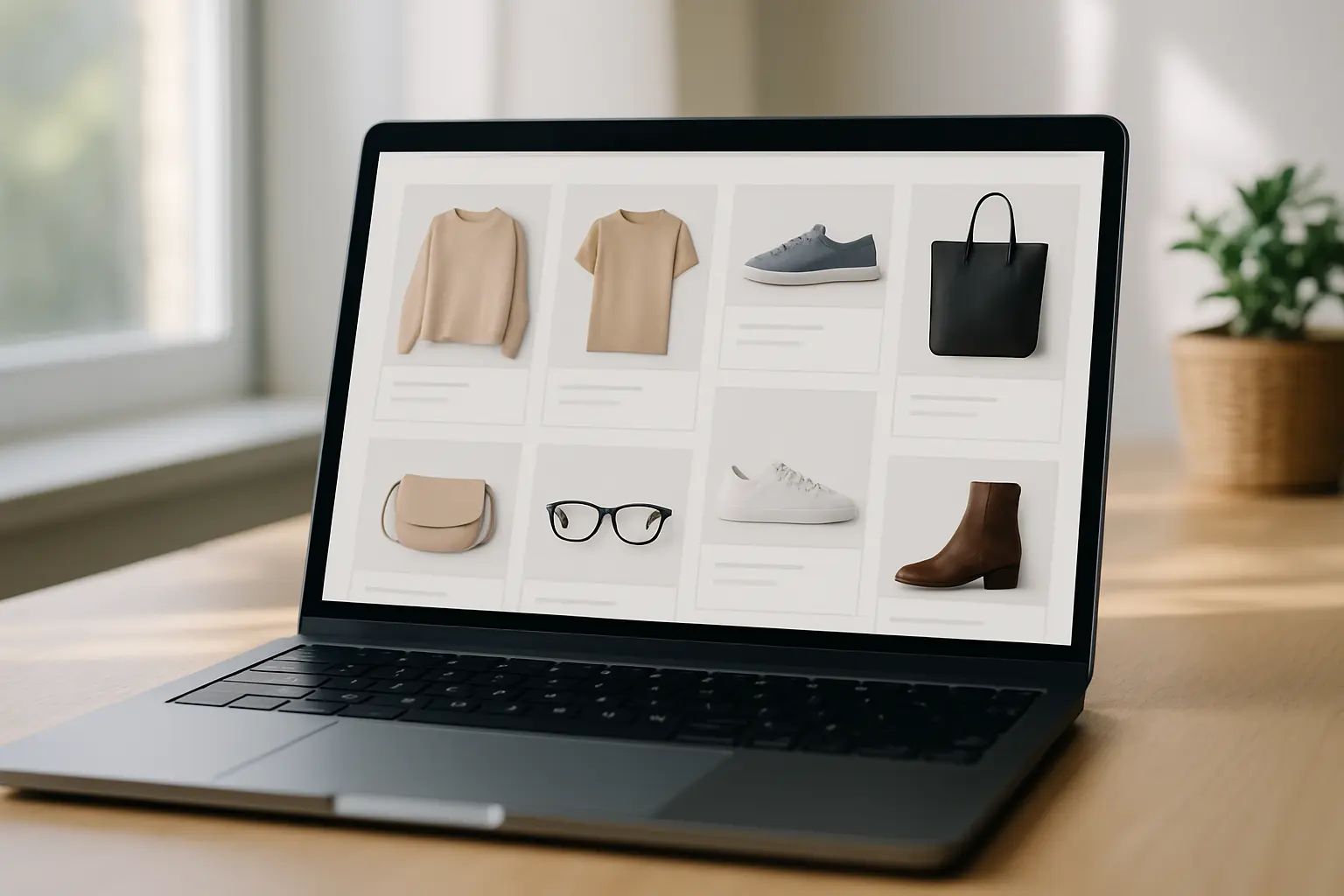
Write Product Descriptions That Convert: Proven Tips
How to Write Product Descriptions That Convert: Step-by-Step Guide for E-Commerce SuccessIf you want to increase sales in your online store, you need to write product descriptions that convert visitors into buyers. In this guide, you’ll learn a proven, step-by-step process for creating effective e-commerce copy that drives results. Every step is tailored for businesses looking for modern digital solutions, whether you’re launching a new webshop or improving an existing one. In this article: Key takeaways Step 1: Gather What You Need for Effective E-Commerce Copywriting Step 2: Define the Value Proposition and Stand Out Step 3: Write Product Descriptions That Speak to Your Customers Step 4: Review, Test, and Optimize for Higher Conversion Rates Frequently Asked Questions ConclusionThis article is designed for brands and companies that need descriptions tailored to their audience, unique value, and product features. If you’re working with a digital agency like Devizzo, which builds custom e-commerce websites and offers AI-powered content on their Shopakt platform, these techniques will help you get the most out of every product page. Key takeaways Compelling product descriptions require a mix of detailed product knowledge and customer focus. Highlighting unique value and optimizing for SEO are crucial for increasing online sales. Testing, reviewing, and updating descriptions ensures long-term effectiveness and higher conversions.Step 1: Gather What You Need for Effective E-Commerce Copywriting Start your e-commerce copywriting process by gathering all essential resources. This step ensures you have a solid foundation before you write product descriptions that truly convert and support your business goals. Collect detailed product information. Obtain accurate specs, features, and technical details from suppliers or your own product team. List product benefits, not just features—think about how each feature solves a problem or adds value. Define your target audience with buyer personas. Use research or analytics to understand your ideal customer: demographics, interests, pain points, and buying motivations. Map typical questions or objections your customers have, so your copy addresses them directly. Identify unique selling points (USPs) for each product. Highlight what makes your product different—faster, more durable, exclusive, eco-friendly, etc. Gather testimonials, awards, or data that reinforce these points if available. Leverage tailored e-commerce solutions to streamline the process. If your site is built on a modern, customizable platform like those offered by Devizzo, take advantage of integrated tools for efficient content creation. Consider using AI-powered modules—such as ContentMiner—to generate product descriptions and attributes at scale, ensuring consistency and saving valuable time.When this step is completed successfully, you will have: A comprehensive product information file for each item Clear buyer personas that guide your language and tone A documented list of USPs and supporting data Access to efficient digital tools that accelerate and enhance your e-commerce copywriting workflowWith all these resources in place, you’re ready to write product descriptions that resonate with your audience and increase online sales. Step 2: Define the Value Proposition and Stand OutPinpoint what sets your product apart from the competition before you start to write product descriptions. This step is crucial for effective e-commerce copywriting because it gives your content a direction and helps you stand out in a crowded marketplace. Analyze your competitors. Visit at least three competing online stores and review their product descriptions. Note their most highlighted features and promises. List your product’s technical features. Gather all unique features, such as materials, technology, integrations, or exclusive services. If you’re using a customizable platform like Shopakt, include functionalities that aren’t available elsewhere. Translate features into customer benefits. For each technical feature, ask: “What does this mean for my customer?” Turn “integrated AI content module” into “never worry about writing product copy again—content updates itself as your catalog grows.” Craft a concise value proposition. Summarize your unique benefits in one or two sentences. This should answer “Why choose this product from this store?” Place this at the top of your product description. Tailor the message for your audience. Small, medium, or enterprise clients may value different things (scalability, easy integration, or ongoing support). Adjust your benefits accordingly.When this step is complete, you should have a clear, benefit-driven statement that positions your product as the ideal choice for your target audience. For example, an online store built on the Shopakt platform can highlight its integrated AI content generator: “With Shopakt, you get product descriptions that update automatically as your catalog grows, saving hours of manual work and ensuring your content always matches your brand voice.” By leveraging proprietary modules and tailored content generation, you not only offer a modern shopping experience but also ensure ongoing content freshness—something most generic platforms can’t match. Ready to turn your product’s unique strengths into sales? For expert help with e-commerce copywriting that increases online sales, visit Copywriting and discover how Devizzo’s tailored solutions can help your business stand out. Step 3: Write Product Descriptions That Speak to Your CustomersStart by focusing on clarity and customer relevance when you write product descriptions. Don’t overwhelm visitors with jargon—instead, explain benefits in language your customers actually use. To do this: Use clear, concise language: Replace technical terms with everyday words. For example, if you’re selling hosting as part of an Online store development package, highlight reliability and security rather than server specs. Address customer pain points: Identify what frustrates or worries your audience. If your site offers regular maintenance, mention how it prevents downtime and saves time for business owners. Incorporate persuasive calls-to-action (CTAs): Guide users toward the next step—such as “Start your project today” or “Upgrade your online store for better results.”When this step is successful, your product page will feature content that answers customer questions, resolves objections, and makes the value of your offer unmistakable. Enhance Visibility with SEO Optimization Effective e-commerce copywriting means your audience must be able to find you. Naturally weave relevant keywords into product descriptions—think of what your customers are searching for, like “custom web design” or “AI product descriptions.” This improves your search ranking and helps increase online sales. Tools like ContentMiner can automatically generate SEO-optimized product descriptions for your entire catalog, ensuring every item is discoverable and on-brand. Maintain Consistent Brand Voice Consistency across your site builds trust and strengthens your brand. Whether you manage one shop or dozens, keep your style, tone, and terminology aligned with your business values. Agencies such as Devizzo provide ongoing content optimization and updates, leveraging their custom modules to ensure your descriptions stay fresh and effective as your catalog grows or your offers change. Follow these product description tips and monitor conversion rates regularly. When your descriptions connect with customers, are easy to find, and remain consistent, you create a shopping experience that drives sales and loyalty. Step 4: Review, Test, and Optimize for Higher Conversion Rates To truly write product descriptions that convert, your work doesn’t end when you hit “publish.” Follow these essential steps to review, test, and continually optimize your product content for the best possible results: Review and Edit for Clarity and Persuasion Read each description aloud to catch awkward phrasing and ensure a natural, customer-oriented tone. Check grammar, spelling, and punctuation—mistakes can undermine trust and professionalism. Verify that each description highlights the unique value proposition and addresses common customer questions. Make sure calls to action are clear and persuasive, guiding customers toward purchase. When this step is successful, your product pages read smoothly, sound convincing, and match your brand’s personality. A/B Test and Analyze Performance Set up A/B tests for different versions of product descriptions—alter headlines, feature lists, or tone to discover what boosts engagement and conversions. Use analytics tools integrated into your platform (for example, Shopakt’s built-in reporting) to track add-to-cart rates, bounce rates, and sales for each description variant. Analyze which elements (e.g., benefit-driven language or technical details) most effectively increase online sales and refine your approach based on real data. You know this step is working when your analytics show improved conversion metrics for tested descriptions. Leverage Continuous Content Support Schedule regular reviews of your product catalog to update outdated information, add new benefits, or refresh language as trends shift. Rely on e-commerce partners, such as Devizzo, who offer ongoing site maintenance and content support—ensuring your product copy stays optimized for both users and search engines. Consider automated solutions like ContentMiner — AI product descriptions for the whole catalog to generate, migrate, and fine-tune product content at scale, saving time and preserving brand voice across your entire inventory. When this step is integrated, your product descriptions remain current, competitive, and technically sound, with minimal manual effort.Apply these product description tips consistently to maximize your e-commerce copywriting efforts. With the right review process, data-driven testing, and continuous support from a digital agency like Devizzo, you’ll see visible improvements in engagement and sales on your online store. Frequently Asked Questions How long should a product description be for e-commerce? A product description should typically be between 100 and 300 words, depending on the complexity of the product and the preferences of your target audience. Focus on being concise yet informative, highlighting key features and benefits. Custom solutions, like those built on Devizzo’s platforms, allow for flexible content lengths tailored to your business needs. What are the key elements of a high-converting product description? Effective product descriptions combine a clear headline, engaging introduction, detailed features, tangible benefits, and a strong call to action. Including unique selling points and aligning tone with your brand are essential. For businesses using Devizzo’s e-commerce solutions, custom modules can be implemented to showcase these elements optimally. How can SEO improve my product descriptions’ performance? SEO enhances product descriptions by increasing their visibility in search engine results, attracting more organic traffic, and improving conversion rates. Incorporate relevant keywords, structured formatting, and meta tags. Agencies like Devizzo integrate SEO optimization as part of their e-commerce development and ongoing maintenance. Should I use AI-generated content or write descriptions manually? AI-generated content can save time and ensure consistency, especially for large catalogs, while manual writing offers greater creativity and brand voice control. Devizzo’s Shopakt platform supports both approaches, allowing businesses to combine AI automation with custom editing for optimal results. How often should I update my product descriptions to boost sales? Update product descriptions regularly—at least every six to twelve months or when products, trends, or SEO strategies change. Frequent refreshes keep content relevant and engaging. Devizzo supports ongoing content updates and maintenance, ensuring your e-commerce site remains competitive. What is e-commerce copywriting and why is it important? E-commerce copywriting is the practice of crafting persuasive, informative content that motivates customers to purchase online. It’s crucial for building trust, communicating value, and improving conversions. Professional agencies like Devizzo offer tailored copywriting as part of comprehensive e-commerce solutions. Ready to elevate your product descriptions and drive more sales? Discover how tailored e-commerce solutions from Devizzo can help your business create high-converting product descriptions and achieve digital growth. Learn more at devizzo.com. Conclusion Crafting product descriptions that truly convert is more than just listing features—it’s about understanding your audience, highlighting real value, and continuously optimizing content for better results. By following a structured approach, e-commerce businesses can effectively communicate what makes their offer unique and drive more sales. For brands and companies looking to elevate their online stores, the right words paired with a reliable digital platform make all the difference. If your business is ready to boost e-commerce performance with tailored product descriptions and a robust online store, Devizzo provides end-to-end digital solutions—from web development and custom e-commerce platforms to ongoing support and SEO. Discover how your products can stand out and convert more visitors by visiting Devizzo today.
Devizzo
8 September 2026