Website Migration Guide: Safe & Easy Step-by-Step Process
Discover the ultimate website migration guide! Learn step-by-step how to migrate your website safely and avoid SEO loss. Start your smooth transition today.

How to Migrate Your Website Safely: The Ultimate Website Migration Guide
Moving a website to a new platform or hosting can be daunting, but a reliable website migration guide makes the process safe and efficient. This article explains each step needed for a successful migration—from careful planning to protecting your SEO—so you avoid costly mistakes and keep your business online without interruptions.
In this article:
- Key takeaways
- What You Need Before Starting a Safe Website Migration
- Step 1: Plan Your Website Migration Guide in Detail
- Step 2: Move Website Hosting and Transfer Data Securely
- Step 3: Migrate Website SEO and Launch Without Losing Rankings
- Frequently Asked Questions
- Conclusion
With experience supporting businesses of all sizes in Serbia and the ex-YU region, Devizzo helps companies transition their websites, e-commerce stores, and applications smoothly. Discover how to prepare, transfer your data securely, and launch your new site without losing rankings or functionality, using proven methods tailored for business owners and digital teams.
Key takeaways
- Careful planning and preparation are crucial for a safe website migration.
- Transferring hosting and data securely prevents downtime and data loss.
- Properly managing SEO elements during migration is essential to maintain rankings.
- Professional help from a digital agency like Devizzo ensures an efficient, risk-free migration process.
What You Need Before Starting a Safe Website Migration
Before starting any safe website migration, ensure you have all necessary resources and a structured plan. Follow these concrete steps to prepare efficiently and avoid costly errors:
- Gather essential tools and access credentials.
- Secure admin access to your current website and hosting control panel.
- Collect FTP/SFTP, database, and email credentials.
- Prepare a list of all third-party integrations, such as analytics, payment gateways, or plugins.
- Install reliable migration and backup tools compatible with your platforms.
- Create a full backup of your site and database.
- Generate backup copies of your website files, database, and any media assets.
- Store backups securely in at least two separate locations (e.g., local drive and cloud storage).
- Choose the right hosting provider before you move website hosting.
- Compare providers for reliability, security, support, and scalability.
- Check for features like SSL, automated backups, and 24/7 monitoring.
- If you lack technical support in-house, consider hosting options that include managed services.
Success indicator: You have confirmed your new hosting provider meets all technical and business needs.Key Hosting Feature Why It Matters SSL Certificate Protects your data and boosts SEO trust signals. Backup & Security Ensures quick recovery if anything goes wrong during migration. 24/7 Monitoring Detects downtime or issues instantly, minimizing risk. - Prepare a detailed migration plan.
- Outline each migration step: data export, import, DNS update, testing, and SEO checks.
- Assign roles and deadlines if working with a team.
- Document dependencies and potential risks.
- Consider working with a specialized digital agency.
- Partnering with a full-service agency like Devizzo streamlines preparation, as hosting, backups, and maintenance are included in their turnkey solutions.
- This reduces the risk of missing steps and ensures your migration plan is tailored to your specific business needs.
Following these steps and using the right partners will maximize the chances for a smooth and safe website migration, setting the stage for a successful relaunch on your new platform.
Step 1: Plan Your Website Migration Guide in Detail

Begin your safe website migration with a clear and actionable plan. The first step is to define your migration goals. Do you want to improve performance, enhance security, rebrand, or simply move website hosting to a better provider? Be specific—clear goals will dictate your technical and content priorities.
- Identify the migration type:
- Is it a move to new hosting, a domain change, a platform switch (e.g., from WordPress to a custom solution), or a combination?
- Each scenario has unique challenges and requirements. For example, a hosting change may focus on data integrity and speed, while a domain switch requires meticulous SEO planning.
- Assess technical needs and schedule:
- Map out all components: databases, media files, user accounts, custom integrations.
- Plan for possible downtime or reduced functionality—schedule it during off-peak hours, and notify users in advance.
- Audit your current site’s SEO and performance:
- Export a full URL structure and document existing redirects.
- Benchmark current site speed, core web vitals, and key rankings. Use tools like Nokofy for monitoring, or read more about What is Technical SEO? Boost for deeper insight.
- Identify legacy or orphaned pages, broken links, and duplicate content.
- Prepare a detailed migration checklist:
- Include technical steps, content moves, SEO mappings, and backup plans.
- Assign responsibilities if working with a team or agency.
When working with an all-in-one digital agency like Devizzo, you benefit from a streamlined planning phase. Their integrated solutions combine website development, hosting, and SEO, all tailored to your business type—whether you run an e-commerce shop or a complex corporate site. Devizzo’s proprietary platforms and AI-driven tools automate URL mapping, content migration, and technical audits, ensuring nothing gets missed and saving your team hours of manual work. For companies seeking a seamless process, consider leveraging their website development service, which includes hosting, SEO essentials, and content preparation as part of a turnkey migration package.
Once this stage is complete, you will see a clearly documented migration plan, a mapped URL structure, a full backup of your current site, and a risk-minimized schedule for the migration itself. This foundation is critical for a successful, safe website migration and for preserving your site’s rankings and user experience.
Step 2: Move Website Hosting and Transfer Data Securely
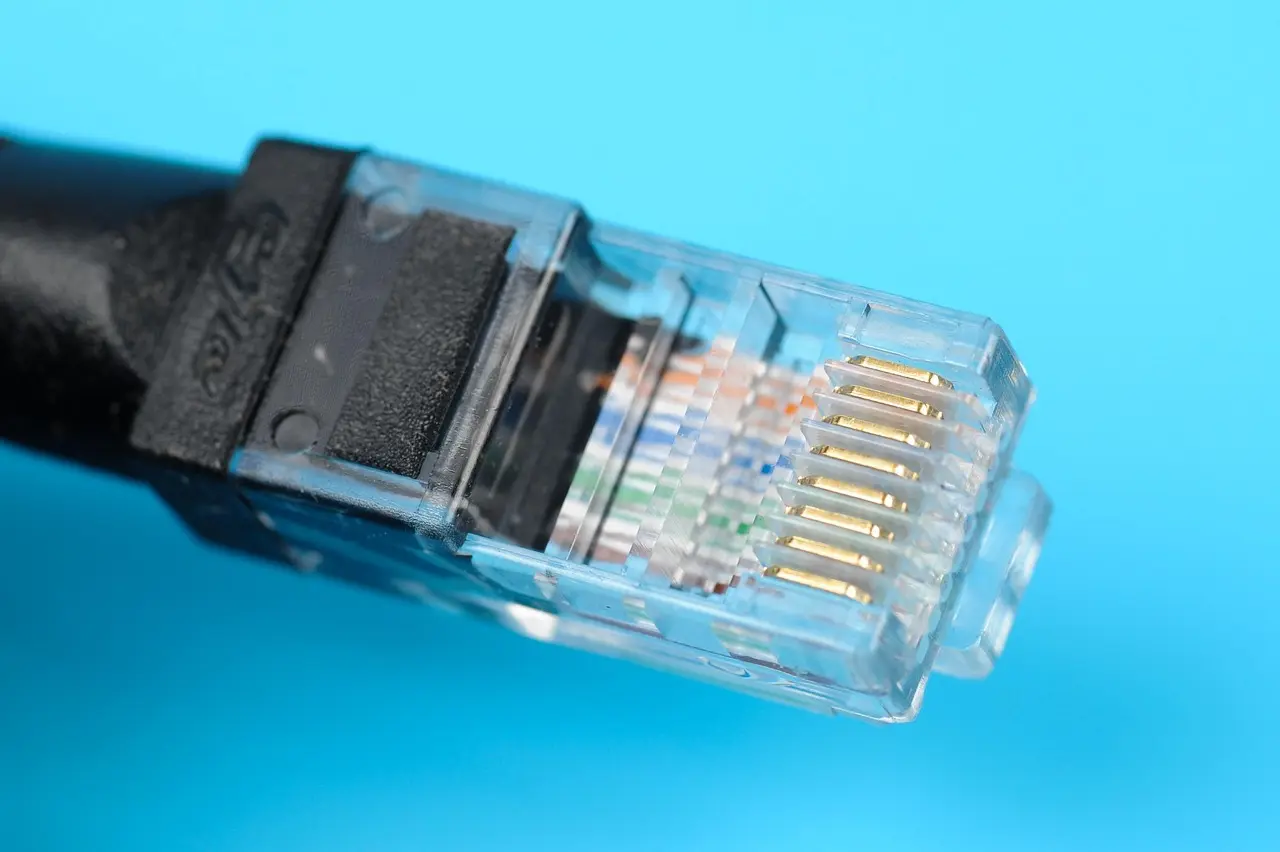
To move website hosting and transfer data securely, follow these clear steps to ensure a seamless and safe website migration:
- Prepare your new hosting environment.
- Set up a new hosting account with the required resources and features (SSL, PHP version, database access).
- If you choose a managed hosting solution like Devizzo’s, benefit from integrated security with SSL certificates, daily backups, and 24/7 monitoring for peace of mind during migration.
- Transfer website files and databases.
- Download all files from your existing web server, including media, code, and configuration files.
- Export your website databases (such as MySQL) using tools like phpMyAdmin or command-line utilities.
- Upload files and import the database to your new host, maintaining the original directory structure and permissions.
- Transfer email accounts and settings, if they’re managed through your hosting, to avoid data loss or downtime.
- Test everything in a staging environment before going live.
- Set up a staging site on the new server using a temporary domain or subdomain.
- Test all pages, forms, payment integrations, and scripts to ensure full functionality.
- Verify database connections, image loading, and email delivery.
- Compare the staging site with your original site for missing content or broken links.
- Update DNS and finalize the migration.
- Change your domain’s DNS records to point to the new hosting server.
- Monitor the site for the next 24–48 hours to catch any issues during DNS propagation.
When each step is completed successfully, you should see your entire website (content, design, and functionality) live on the new hosting, with no missing data or broken pages. Email should work as before, and visitors should not notice any interruption.
For business owners planning a safe website migration, leveraging a provider like Devizzo simplifies the process through advanced hosting security and automatic backups. By choosing a comprehensive solution, you minimize the risk of data loss and can focus on other critical aspects, like SEO and redesign timing. If you’re unsure whether migration or a full redesign is best for your business goals, check out When to Redesign Website for practical advice.
Step 3: Migrate Website SEO and Launch Without Losing Rankings
Preserve your hard-earned search engine rankings by meticulously transferring your SEO foundation during migration. Follow this step-by-step process to ensure a safe website migration that protects your organic visibility:
- Prepare and Implement 301 Redirects:
- Map all old URLs to their new destinations—this is vital if your site structure or page names are changing.
- Configure server-side 301 redirects for every changed or removed URL. This signals search engines and users that content has permanently moved.
- Test each redirect to confirm it lands on the correct page, not a generic homepage or error.
- Success sign: Entering any old URL in your browser immediately opens the intended new page, and Google Search Console shows minimal 404 errors.
- Update Internal Links and References:
- Scan your new site for any links pointing to old URLs; update them to the new structure to avoid redirect chains and wasted crawl budget.
- Check navigation menus, sitemaps, canonical tags, and image/file references.
- Success sign: All internal links point directly to their new destinations without passing through redirects.
- Resubmit Sitemaps and Request Indexing:
- Generate a fresh XML sitemap reflecting the new site architecture.
- Upload the sitemap in Google Search Console and Bing Webmaster Tools.
- Use the URL Inspection tool to request indexing for priority pages.
- Success sign: Updated pages appear in search results, and you see indexing progress in Search Console.
- Monitor and Optimize Post-Launch:
- Track organic traffic and keyword rankings daily for at least two weeks post-migration.
- Fix crawl errors, missing pages, and duplicate content issues as they arise.
- Update business listings, social media profiles, and any marketing materials with new URLs.
- Success sign: Your traffic and rankings remain steady or recover quickly, and Search Console reports no critical errors.
For business owners, especially those managing growing e-commerce stores or complex corporate sites, these steps can be time-consuming and technically demanding. Digital agencies like Devizzo, with dedicated SEO optimization and ongoing website maintenance services, can take over this process to ensure your migration is both safe and search-friendly. Their team uses proprietary platforms and AI tools to automate checks, correct issues in real time, and provide clear reporting—helping businesses in Serbia and the region maintain and even boost their online presence after migration.
To learn why continuous post-migration care matters, read Website Maintenance Importance. If you want hands-off, professional support to migrate website SEO and safeguard your rankings, explore Website maintenance options tailored for businesses of all sizes.
Frequently Asked Questions
What is the safest way to migrate a website without losing data?
The safest approach involves creating a complete backup of all website files and databases before migration. Use a reliable migration tool or work with a professional agency like Devizzo, which provides end-to-end migration and hosting services, ensuring zero data loss, minimal downtime, and seamless transition with continuous monitoring throughout the process.
How do I move my website hosting to a new provider?
Begin by backing up your entire website, including files and databases. Choose a new hosting provider and upload the backup to the new server. Update your domain’s DNS settings to point to the new host. Agencies such as Devizzo can handle this process, managing SSL, security, and all technical steps for a smooth transfer.
Will website migration affect my SEO rankings?
Website migration can impact SEO if not planned carefully. Avoid ranking loss by setting up proper 301 redirects, maintaining URL structure, and updating your sitemap. Agencies like Devizzo incorporate SEO best practices in every migration, ensuring your search visibility and traffic remain stable after the move.
How long does it take to migrate a website?
Migration time depends on the website’s size and complexity. Simple sites may take a few hours, while large e-commerce stores or custom applications can require several days. Working with a digital agency streamlines the process, as they use automated tools and dedicated support to minimize downtime.
Can I migrate my website myself or should I use a digital agency?
Self-migration is possible for simple sites, but risks increase with complex platforms or e-commerce stores. A digital agency like Devizzo offers comprehensive solutions, handling backups, hosting, redirects, and security, which reduces the risk of errors and ensures a smooth, stress-free migration.
What are common mistakes to avoid during website migration?
Key mistakes include failing to back up data, overlooking redirects, missing files or databases, neglecting SEO considerations, and not testing the new site. Using a professional agency helps prevent these errors, as they follow a proven checklist and utilize their own platforms and AI tools for quality control.
Ready for a safe and seamless website migration?
Let Devizzo handle your entire migration process—from backup to go-live—using their own platforms and AI tools for optimal results. Discover complete digital solutions tailored to your business at devizzo.com.
Conclusion
Website migration can be a complex process, where every step—planning, secure hosting transfer, and SEO preservation—matters for both business continuity and online visibility. For business owners and teams seeking a seamless transition, partnering with a digital agency that offers integrated solutions, like Devizzo, ensures you avoid common pitfalls, minimize downtime, and safeguard your digital assets throughout the migration journey.
If you want to migrate your website or online store without risking your rankings or losing critical data, Devizzo’s turn-key digital services, proprietary platforms, and AI-powered tools can provide a tailored, worry-free migration. Discover how your business can thrive during and after migration—learn more at devizzo.com.
Related articles

SEO for online stores — How to get more traffic without extra spend
SEO for online stores: A practical guide to optimizing your webshop without extra costsPhoto: www.kaboompics.com / Pexels SEO for online stores is the fastest, most efficient way to increase sales without extra spend. If you want more visitors and stronger visibility in Google search, this guide is for you.Below you will learn how to find the right keywords without paid tools, optimize the webshop yourself, and automate processes without extra investment. You will also learn how to write product descriptions and blog posts that attract both Google and buyers. All of it — practical, clear, and ready to apply immediately. In short SEO for online stores can significantly increase organic traffic without extra costs. Free tools and automation can make webshop optimization easier even without a specialist. Quality content, technical optimization, and correct keyword use are the keys to e-commerce SEO success.Why is SEO for online stores essential for growth without extra spend? Photo: Pavel Mudarra / PexelsSEO for online stores is essential for organic growth because it lets potential customers find your webshop through Google search, without constantly paying for ads. Organic traffic is the foundation of long-term e-commerce success, because most users trust natural search results more than paid ads. The advantages of SEO over paid channels are clear in the following table: SEO for online stores Google Ads / social networks Costs A one-time investment of time, no ongoing spend Continuous payment per click or impression Duration of the effect Long-term visibility; results last months or years Stop promoting and the traffic disappears User trust Higher trust in an organic result Lower trust because of the “sponsored” label Sustainability Organic growth without extra investment Growth depends on budgetSEO lets once-optimized product pages, category pages, or blog posts keep attracting visitors even after you stop actively working on them. That is especially important for small stores with a limited budget, where a digital store is effective only if it stays visible in search. Another advantage is that SEO for online stores can be automated to a degree — meaning that with the right setup, basic optimization processes can work for you without extra spend. Through SEO automation, you save time and resources while the effects accumulate. Correctly set technical elements, quality product descriptions, and blog posts enable gradual but reliable growth in visits and sales. How do you find the right keywords for your webshop without paid tools? Finding the right keywords for SEO for online stores does not have to cost money. Several free tools and techniques let you target words that attract buyers, not just passing visitors. Using free keyword-research tools Google Search Console: Analyze which queries users already use to reach your site. Open the “Performance” tab and choose keywords with a high number of impressions but a low average position — those are optimization opportunities. Google Suggest: When you type the start of a phrase into Google, related terms appear automatically. Write these suggestions down, because they represent real user queries. AnswerThePublic: This tool visualizes questions and phrases users often ask, which is an excellent source of long-tail keywords that bring targeted visitors.Competitor analysis and user queries Visit competitor sites and see which words they use in product titles, descriptions, and blogs. Join forums and social networks where your customers ask questions. Note terms that repeat or spark discussion. Compare this data with your findings from Google Search Console and AnswerThePublic. Focus on keywords with a concrete purchase intent, such as “buy,” “order online,” “price,” or “shipping,” combined with the product or category name. Keyword source Advantages Example of use Google Search Console Real data on visits and searches “women’s sneakers price” (analyze clicks and positions) Google Suggest Current trends and phrases people search for “best shoes for spring 2024” AnswerThePublic User questions and problems “how to choose shoe size online?”Choose keywords that bring buyers Not every keyword is worth the effort. Focus on those that clearly show purchase intent. For example, “where to buy men’s jackets online” is much more valuable than the generic “men’s jackets.” Use combinations with cities, models, or product specifics. By applying these tips, webshop optimization becomes more efficient and focused on results that count. And for sustainable sales, it is essential that From the customer click to a closed book — no gap in the process. On-page webshop optimization: What can you do yourself? On-page optimization is the most accessible part of SEO for online stores — you can do it yourself and see concrete results, without extra costs. The key is in the details. Here is what to pay attention to: Meta titles and descriptions: Uniqueness for every page Meta title (title tag) for each page should be unique, up to 60 characters, and include the main keyword (for example, “Men’s sneakers - Online store XYZ”). Meta description should clearly describe the product or category in up to 155 characters and call the user to action (“See our range of men’s sneakers at great prices!”). Avoid automatically generated or duplicated descriptions — Google values uniqueness.Image optimization: Speed and accessibility Optimize all product images so the file size does not exceed 200 KB — use free tools such as TinyPNG or Squoosh. Add alt text that describes the image (“black leather women’s boots”), which helps both users and search engines. Use descriptive file names instead of generic ones (replace “product-123.jpg” with “womens-leather-boots-black.jpg”).URL structure and internal linking Keep URLs short, readable, and containing the keyword (for example, /mens-sneakers/artistic-sneakers). Avoid unnecessary numbers and symbols in URLs. Build an internal link network: in product descriptions, link to related items or categories (“See more webshop solutions for small stores”). Use breadcrumb navigation for easier orientation and a stronger SEO signal.For even simpler webshop optimization and more practical solutions, visit the page Everything your shop needs. SEO automation: Which processes can you automate without extra costs? Photo: Erik Mclean / PexelsSEO automation is especially important for online-store owners who want to improve webshop optimization without extra investment. Thanks to free plugins and scripts, many routine SEO tasks can be automated, saving time and reducing the chance of human error. Free tools for automating basic SEO processes WordPress users: Plugins such as Rank Math and Yoast SEO offer free options for automatic meta-tag optimization, sitemap generation, and content analysis. OpenCart, PrestaShop, WooCommerce: There are free modules or extensions that automatically generate sitemap and robots.txt files, and automatically check for duplicated meta descriptions. Google Search Console: A free tool for automatically tracking technical errors and showing the source of problems (indexing, mobile usability, security).Automatic generation of sitemap and robots.txt files Sitemaps and robots.txt are the foundation of technical webshop optimization. Most ecommerce platforms can generate these files automatically at no extra cost. Integrating these functions with your webshop means every new product, category, or page immediately enters the sitemap and becomes visible to Google. If you use solutions such as Webshop for small stores — Devizzo, these functions are often built in and need no extra configuration. Connecting with the tools and services you already use is also straightforward — Everything your business already uses — it connects here. Tracking and automatic reporting of technical errors Google Search Console: Automatically sends reports on indexing errors, mobile-version issues, and security threats. Free scripts and services can notify you by email if your webshop is unavailable, if 404 pages appear, or if there are SSL certificate problems. Automatic checks of duplicated meta tags and descriptions can be integrated through open-source scripts or existing plugins. Processes that can be automated Tools/plugins (free) Generating sitemap and robots.txt Yoast SEO, Rank Math, PrestaShop SEO module Tracking indexing and errors Google Search Console Checking duplicated metadata SEO analyzers, open-source scripts Notifications about technical errors Free monitoring scripts, Search ConsoleWith smart SEO automation you protect the webshop from technical gaps and give yourself more time for sales and customer support, without extra investment. How do you write product descriptions and blog posts that attract both Google and buyers? Well-written product descriptions and blog posts are essential for successful SEO for online stores. Your content should be useful, original, and tailored to customer needs. Instead of copying manufacturer descriptions, write your own texts that answer visitors’ concrete questions and doubts. For example, instead of the generic “Smartwatch with a screen,” write: “Training smartwatch with 7-day battery life and automatic pulse tracking — ideal for athletes and recreational users.” Include secondary keywords and terms close to the main topics — that is the essence of semantic SEO. For example, if you optimize a page for “sports sneakers,” naturally use phrases such as “running shoes,” “sports footwear,” or “lightweight tennis shoes.” These phrases expand your webshop’s visibility, because Google better understands the page context. Adding FAQ sections (“Frequently asked questions”) on product pages directly helps SEO for online stores. Answer the questions customers ask most often by email or phone — for example, “Is shipping free?”, “How do I choose the right size?”, “What is the warranty?”. This increases relevance and the chance that your content appears in Google featured snippets. Do not forget customer reviews. They are not only social proof but also a rich source of original, user-generated content that supports webshop optimization. Regularly encourage customers to leave comments, and turn the most frequent questions from reviews into additional FAQ answers. If you are just starting and are concerned about look and content, a solution such as Your site, your look. No developer required. lets you easily edit the presentation of products and the blog — without technical complications. For even more practical examples of how to improve SEO automation and webshop optimization on your own, consider writing blog posts about the most common customer problems, product-use guides, or comparisons of different models. Every useful article further expands keywords and increases organic traffic. E-commerce SEO tips for technical optimization without extra spend Technical webshop optimization is the foundation of effective SEO for online stores, but it does not necessarily require extra investment. Here is how you can improve your site using free tools and simple steps. Improving site load speed Site speed directly affects SEO rank and conversion rate. Check performance with the free tool Google PageSpeed Insights. Optimize images: compress product photos with services such as TinyPNG without losing quality. Use lazy loading for images and video — most modern platforms offer this option at no extra cost.Optimization for mobile devices More than 65% of e-commerce traffic comes from mobile devices. Test the mobile version of the site for free with the Mobile-Friendly Test tool. Check that buttons, menus, and images are easy to reach and work on smaller screens.Google Search Console: free SEO automation tools Register your webshop in Google Search Console and track reports on indexing, errors, and searches at no cost. Identify and quickly resolve issues such as duplicate titles, missing pages (404), or blocked resources. Track which keywords bring the most clicks and optimize content directly against that data.Another practical way to save time and effort is using AI tools to generate product descriptions — A catalog that writes itself. Tools like this can automatically create SEO-friendly texts for your products, which significantly eases webshop optimization without extra costs. Frequently asked questions How do I optimize an online store for Google without investing in an SEO agency? Focus on quality product descriptions, relevant keywords, image optimization (alt text), internal linking, and content updates. Ensure a good site structure and mobile readiness. Regularly check performance with free tools such as Google Search Console. What free tools are there for e-commerce SEO? The most useful free tools are Google Search Console, Google Analytics, Google PageSpeed Insights, Ubersuggest, MozBar, and Screaming Frog (limited free version). These tools help track traffic, analyze keywords, check technical errors, and optimize site speed. How do I automatically generate SEO meta tags for products? Most e-commerce platforms allow dynamic templates for generating meta tags. For example, you can set the format so the meta title automatically includes the product name and brand. There are also free SEO plugins that make automatic meta-tag creation easier. What has the biggest impact on a webshop’s SEO ranking? The biggest impact comes from content relevance and uniqueness, technical site optimization (speed, mobile version, security), the quality of backlinks, internal linking, and user experience (UX). Regularly updating products and blog content also helps. How do I improve online-store speed without paid services? Optimize images so they are smaller without losing quality, remove unnecessary add-ons (plugins), use caching, minify CSS and JavaScript files, and choose simple, optimized themes. Regularly check site speed with free tools. Does a blog matter for online-store SEO? A blog contributes significantly to SEO because it brings fresh, relevant content, lets you target additional keywords, and attracts organic traffic. Through educational articles you can build authority and increase the webshop’s visibility in search engines. Conclusion SEO for online stores does not have to be expensive or complicated — with careful keyword selection, basic on-page optimization, and smart use of free tools, you can significantly increase your webshop’s visibility and attract more buyers. The most important thing is to constantly track results and refine your SEO activities, because small changes often bring the biggest benefits. As a next step, make a list of SEO tasks you can apply yourself today and start optimizing the most important pages and products. Track progress and stay consistent — a long-term investment of time in SEO delivers stable growth without extra costs.
Devizzo
21 July 2026

When to Redesign Website: 7 Key Signs for Success
Top 7 Signs It’s Time to Redesign Your Website: When to Redesign Website for Maximum ImpactRecognizing when to redesign website can be the difference between a business that thrives online and one that falls behind. This article highlights the top seven signs your current site may be holding you back, from outdated design to slow performance and missed business goals. If you want to know exactly what to watch for and how to maximize your site's impact, you’ll find practical answers here. In this article: Key takeaways 1. Outdated Design That Undermines Trust 2. Poor Performance and Slow Loading Times 3. Not Meeting Business Goals or Failing SEO Standards 4. Difficult Content Management and Lack of Integrations Frequently Asked Questions Conclusion Whether you run a small shop or manage a large e-commerce platform, your website is often the first impression clients have of your brand. Devizzo, a digital agency specialized in custom websites, online stores, and applications, uses its own platforms and AI tools to deliver fully integrated solutions. The insights below will help you determine if it’s time for a redesign and what steps to take for a site that truly supports your business growth. Key takeaways Recognizing the right website redesign signs is crucial to stay competitive. A timely website refresh can improve trust, performance, and business results. Working with a full-service agency like Devizzo streamlines the process with modern tools and integrated solutions.1. Outdated Design That Undermines Trust An outdated website design is one of the most obvious website redesign signs — and also one of the most damaging. First impressions are formed in seconds, and if your website looks like it hasn’t been updated in years, visitors may question your professionalism and reliability. Modern users, whether they are from Serbia or any part of the ex-YU region, expect a digital experience that feels current, secure, and aligned with today’s standards. If your site looks old, it can cast doubt on your business as a whole and even push potential clients or partners toward competitors with more polished online presences. Some of the most common visual cues that signal an outdated website include: Non-responsive layouts: Sites that don’t adapt to mobile devices or tablets are instantly seen as behind the times. Dated graphics and fonts: Clip art, low-resolution images, and old-fashioned typography make your brand feel out of touch. Cluttered navigation or inconsistent design: Menus that are hard to use and layouts that feel crowded or inconsistent frustrate users and reduce trust. Outmoded color schemes: Color palettes popular a decade ago can make even fresh content appear stale.For businesses in Serbia and the region, digital presence is more than just a necessity — it’s a reflection of market readiness and credibility. An outdated site can undermine trust, especially if your competitors have already invested in modern, user-friendly designs. This is critical for small and medium-sized businesses as well as larger enterprises looking to expand their reach or attract new partnerships. Devizzo offers website development that delivers a modern look and feel, tailored to your audience and industry. By combining custom design, ready-to-use content, and all essential features in one package, your business can avoid the pitfalls of an outdated design and stay ahead of evolving digital trends. To learn more about bringing your website up to today’s standards, see website development. 2. Poor Performance and Slow Loading TimesSlow website performance is one of the most obvious website redesign signs. When your site takes more than a few seconds to load, visitors are likely to leave before they even see your content. This directly affects your bottom line: higher bounce rates mean lost sales opportunities, fewer form submissions, and poor user engagement. Studies consistently show that even a 1-second delay in page load time can reduce conversions by up to 20%. Many businesses struggle with slow sites because they're built on outdated platforms or overloaded with technical debt—old code, bulky plugins, or unoptimized images. These issues make it nearly impossible to achieve the fast, responsive experience users expect. If your team finds that every website update causes new issues or incompatibilities, it's a clear signal that your platform is holding you back from growth. For e-commerce brands and enterprises alike, this can be particularly damaging in competitive markets where speed is a differentiator. Modern hosting and web platforms are crucial for delivering the speed and reliability users demand. Agencies like Devizzo address these challenges by using their proprietary platforms and AI tools, ensuring that sites they build are fast, stable, and scalable from day one. Investing in a redesign with a focus on performance can also boost your SEO rankings, as search engines increasingly prioritize site speed in their algorithms. For a closer look at why ongoing technical updates matter, review their guide on Website Maintenance Importance. If you're unsure whether your current site is up to speed, consider these key indicators: Pages consistently take more than 2-3 seconds to load, especially on mobile devices. Analytics show high bounce rates and low average session durations. Frequent complaints from users about lag or loading issues. Difficulty integrating new features or plugins without breaking existing functionality.Choosing a partner that offers both modern development and robust hosting—such as Devizzo’s website development—can resolve performance bottlenecks and future-proof your digital presence. Remember, the right time for a website refresh is not just when your site looks old, but when it fails to deliver the speed and reliability your business needs to grow. 3. Not Meeting Business Goals or Failing SEO StandardsIf your website is no longer helping you achieve core business goals—such as generating leads, driving online sales, or capturing newsletter signups—it’s a clear sign that a redesign is overdue. For instance, if your analytics reveal declining conversion rates or high bounce rates, your site’s structure or messaging may no longer align with your target audience or current business strategy. Many companies find that as their offerings evolve, their site simply can’t keep up, leading to lost opportunities and wasted marketing spend. SEO standards also shift rapidly. A website built even a few years ago may lack the technical foundation needed to rank in search engines today. Issues like outdated metadata, slow mobile performance, missing structured data, or thin, generic content can all cause your site to slip behind competitors. Google’s algorithms increasingly reward sites with fast load times, clear architecture, and regularly updated, high-quality content. If your site falls short in these areas, a simple update may not be enough—a full website refresh might be required to regain visibility and traffic. How Integrated SEO and Content Future-Proof Results Unlike off-the-shelf solutions, Devizzo approaches every project with integrated SEO and content strategy from day one. By leveraging proprietary platforms and AI-powered tools, the agency ensures that every new website or online store is optimized for both users and search engines—right out of the box. Product descriptions, blog posts, and landing pages are created with AI assistance, ensuring relevance, keyword coverage, and freshness, which positively impacts search rankings and user engagement. If your current site isn’t supporting business KPIs, it’s time to measure whether a strategic website redesign—built for your actual goals—will deliver better ROI than incremental tweaks. Regular SEO monitoring and technical updates, such as those provided in Devizzo’s Website SEO service, are essential; but when foundational issues persist, a full redesign is often the most cost-effective move.Before deciding, it’s wise to compare the investment in redesign versus ongoing patching. The article Website Cost 2026 provides a transparent look at the pricing and value of professional website overhauls, helping you make an informed choice for your next step. 4. Difficult Content Management and Lack of Integrations Struggling with outdated content or needing to wait days for a developer to update a product description is a clear sign your website’s backend is holding your business back. For marketing and sales teams, the inability to quickly adjust landing pages, publish blog posts, or launch new campaigns means lost momentum—and lost revenue. If your site doesn’t offer a user-friendly content management system (CMS), every update becomes a bottleneck, slowing down your response to market changes and customer needs. Seamless integrations are equally vital for modern businesses. Whether you need to sync your online store with payment gateways, connect your website to a CRM, or leverage AI-powered tools for personalized user experiences, a rigid platform limits your ability to grow. For e-commerce, integrations with inventory management, B2B modules, and automated product descriptions are now essential, not just nice-to-have features. Without these connections, scaling your business becomes unnecessarily complex and expensive. Agencies that build on proprietary platforms, such as Devizzo’s Shopakt, offer a strategic advantage here. Shopakt, for example, is designed with e-commerce scalability and integrations in mind—from payment processing to AI-generated product descriptions. This means business owners, whether running a small local shop or a regional B2B operation, can update content, manage stock, and add new features without technical hurdles. The result is faster adaptation to changing demands and a foundation for long-term digital growth. To further understand how modern integrations and content management shape the future of web design, explore Modern Website Design 2026. Frequently Asked Questions How often should you redesign your website? Websites typically need a redesign every 2–3 years to stay modern and competitive. However, if your business changes rapidly or you notice declining performance, earlier updates may be necessary. Agencies like Devizzo offer ongoing maintenance and flexible redesigns, ensuring your digital presence aligns with current trends and user expectations. What are the most common website redesign signs? Frequent signs include outdated design, slow loading speed, poor mobile experience, declining conversions, complicated navigation, mismatched branding, and lack of integration with new technologies. If your site shows several of these, it's time to consider a redesign to maximize impact and user engagement. How does a website refresh differ from a full redesign? A website refresh focuses on updating visuals, content, or minor features, keeping the core structure intact. A full redesign involves rethinking layout, user journeys, and backend systems. Digital agencies like Devizzo can advise whether your business needs a simple refresh or a complete overhaul, based on your goals. What is the ideal website refresh timing for e-commerce sites? E-commerce sites should consider a refresh at least once a year, especially before peak sales periods or after significant changes in products or customer behavior. Regular updates help maintain user trust and ensure smooth integration of features like payment systems or AI-powered product descriptions. Can I update my website without starting from scratch? Yes, many sites can be effectively updated without a full rebuild. Adding new content, improving SEO, updating design elements, or integrating new tools can refresh your site. Devizzo’s modular solutions allow for phased upgrades, making it easy to enhance your site as your needs evolve. How does redesigning a website impact SEO? A well-planned redesign can improve SEO by optimizing structure, speed, and content. However, poor execution risks losing rankings. Agencies specializing in both web design and SEO, like Devizzo, ensure migrations are handled properly to maintain or improve your search visibility. Ready for a redesign? If your website shows any of these signs, consider a tailored solution from Devizzo, where web design, development, and digital marketing come together under one roof. Explore your options for a high-impact website at devizzo.com. Conclusion Recognizing the signs that your website needs a redesign is essential for maintaining a professional digital presence and achieving your business goals. Whether your site looks outdated, loads slowly, fails to support your SEO strategy, or is difficult to manage, acting at the right moment can make all the difference. For companies in Serbia and the region, partnering with a digital agency that offers complete web solutions—like Devizzo—can ensure your new website is visually appealing, functional, and ready to support growth with AI-powered tools and custom integrations. If you’ve noticed any of these issues on your website, now is the perfect time to take action. Explore tailored web development and redesign solutions at Devizzo and give your business the digital edge it deserves.
Devizzo
11 September 2026
Website Maintenance Importance: Key Facts for Business
Website Maintenance Importance: Why Every Business Needs Ongoing SupportUnderstanding website maintenance importance is crucial for any organization aiming to stay competitive online. This article explains why ongoing support is not just an option, but a necessity for businesses of all sizes. You will learn what website maintenance really means, how regular updates improve performance and security, and what risks come with neglecting your digital presence. In this article: Key takeaways What Is Website Maintenance and Why Is It Essential? How Do Regular Website Updates Boost Performance and Security? What Can Go Wrong If You Neglect Website Maintenance? How to Choose the Right Website Maintenance Plan for Your Business Frequently Asked Questions ConclusionWith tailored solutions and continuous support, agencies like Devizzo help brands, companies, and teams keep their websites, e-commerce stores, and custom applications running smoothly. Whether you need a modern site, a robust internet shop, or seamless integration with existing systems, ongoing maintenance ensures your digital assets remain secure, up-to-date, and ready to grow with your business needs. Key takeaways Website maintenance is crucial for performance, security, and business growth. Regular updates prevent downtime, security issues, and lost revenue. Choosing a full-service agency like Devizzo ensures seamless, ongoing website support and transparent costs.What Is Website Maintenance and Why Is It Essential?Website maintenance refers to the ongoing set of activities required to keep a business website secure, up-to-date, and performing optimally. Its core components include regular content updates (such as publishing new blog posts or updating product information), technical health checks (including bug fixes and compatibility reviews), and robust security measures like patching vulnerabilities and monitoring for threats. For any modern business, these tasks are far from optional—they are essential for ensuring that the website remains live, functional, and aligned with evolving business goals. One of the key reasons why maintain website is so important lies in the direct impact on user experience and business reputation. Outdated content, broken links, or security issues not only frustrate visitors but can also lead to lost sales and diminished trust. Regular website security maintenance is crucial for protecting sensitive customer data and meeting compliance standards, especially as cyber threats continue to target businesses of all sizes. In practice, this means that tasks like applying software updates, daily backups, and monitoring traffic for suspicious activity should be scheduled and executed systematically. Digital agencies such as Devizzo have integrated website maintenance as a central part of their complete service offering. Instead of treating maintenance as an afterthought, Devizzo builds custom websites, e-commerce solutions, and applications with future updates and support in mind. By using proprietary platforms and modules that are tailored to each client’s needs, they ensure that technical and security updates can be deployed efficiently. This approach allows clients—from small businesses to large brands—to focus on growth, knowing that their digital infrastructure is monitored and maintained by experts. For those seeking a reliable partner, the website maintenance service from Devizzo covers upgrades, security patches, daily backups, content changes, and 24/7 monitoring, starting from €49 a month. This proactive approach not only minimizes the risk of downtime but also supports continuous improvement, keeping your website in sync with your evolving business strategy. How Do Regular Website Updates Boost Performance and Security? Regular website updates are a direct investment in your site's speed, reliability, and security. Every piece of software powering your web presence—from content management systems to custom modules—requires ongoing attention to remain efficient and secure. For businesses relying on custom solutions, such as those developed by Devizzo, the value of continuous updates is especially pronounced: these tailored platforms and modules are kept at peak performance through targeted improvements and compatibility checks, ensuring that integrations with other business systems remain seamless. Performance gains are immediately noticeable when routine updates are applied. Updated code and optimized databases reduce page load times, while refreshed content and enhanced features keep users engaged and returning. Outdated plugins or neglected modules can slow your site, creating friction in the user experience and potentially impacting SEO rankings. By contrast, a regularly maintained website, built on a robust foundation like Devizzo’s proprietary platforms, consistently delivers fast loading and dependable functionality. Security maintenance is equally crucial. Cyber threats evolve constantly, targeting known vulnerabilities in outdated software. Regular security patches and monitoring—integral parts of professional website maintenance—guard against malware, data breaches, and unauthorized access. For example, Devizzo’s approach includes proactive monitoring and timely security updates for all client projects, minimizing risks and helping clients meet data protection requirements. This is essential for any business handling sensitive customer information through their website or e-commerce platform. The importance of website maintenance is even more evident when considering the potential consequences of neglect. A single missed update can open the door to security exploits, while performance issues can erode customer trust. That’s why services like website maintenance—which cover upgrades, security patches, daily backups, and 24/7 monitoring from just €49 a month—are a smart safeguard for any business invested in their online presence. For companies looking to combine modern design, tailored development, and ongoing support, solutions such as Website development Belgrade ensure that every project benefits from both a strong launch and continual, professional maintenance. This approach not only prevents costly downtime but also positions your brand to thrive in a digital-first marketplace. What Can Go Wrong If You Neglect Website Maintenance? Neglecting website maintenance can result in a range of costly and damaging issues, regardless of your company’s size or industry. When ongoing support is missing, risks accumulate over time—from subtle technical glitches to major business disruptions. Understanding the website maintenance importance begins with recognizing exactly what can go wrong when updates and monitoring are ignored. Downtime and lost sales: Outdated plugins, unpatched security holes, or expired hosting can cause your website to go offline unexpectedly. Even a few hours of downtime may lead to lost revenue, frustrated visitors, and a damaged brand reputation. SEO drops: Search engines penalize slow, broken, or insecure websites. Without regular website updates and technical fixes, your site may slip in search results, drastically reducing organic traffic and opportunities for new business. Security breaches: Hackers exploit outdated software, weak passwords, and neglected backups. A single vulnerability can lead to data loss, defacement, or customer information leaks, potentially harming your business legally and financially. Poor user experience: Broken links, slow loading times, and malfunctioning features drive visitors away. If content isn’t kept fresh or mobile compatibility isn’t maintained, users may quickly turn to competitors.Real-World Scenarios: What Businesses Actually Face Consider an e-commerce company that skipped regular website security maintenance. After a missed security patch, their checkout page was compromised, resulting in both lost sales and a mandatory disclosure to customers. Or a growing brand that let their SSL certificate lapse, only to discover that browsers were blocking their site as “not secure”—instantly damaging trust and decreasing conversions. Many businesses try to manage maintenance in-house or rely on multiple vendors, only to encounter fragmented responsibility when issues arise. A hosting company may insist it’s a software problem, while a freelancer blames the server. That’s why choosing a partner that provides integrated services—development, hosting, security, website maintenance, and support—prevents finger-pointing and ensures your site’s needs are handled seamlessly. Everything we do, in one place. Devizzo, for example, delivers all-in-one solutions tailored to your business, using proprietary platforms and modules that are proactively updated and monitored. By partnering with a single provider, you avoid the pitfalls of disjointed support and protect your digital investment over the long term. How to Choose the Right Website Maintenance Plan for Your BusinessChoosing the right website maintenance plan is a strategic decision that should align with your business’s size, digital ambitions, and technical requirements. For small businesses, a streamlined plan covering essentials like security updates and content edits might suffice. In contrast, larger companies or brands with high-traffic e-commerce stores need more robust solutions—especially if they rely on custom features or integrations with existing systems. If your website is built on a proprietary platform or connects to internal tools, it’s crucial to select a provider capable of customizing maintenance tasks to fit these specifics. Comprehensive service under one roof offers clear advantages. When hosting, updates, security, and content support come from a single provider, you eliminate the risk of missed responsibilities or communication gaps. For example, Devizzo’s approach of using in-house platforms and tailored modules means every aspect—from daily backups to security patches and content changes—can be streamlined and coordinated. This not only protects your site’s stability, but also supports ongoing business growth by ensuring seamless integration of new features or digital marketing efforts. Factor Why It Matters Devizzo’s Approach Business Size Determines the scope of required maintenance and support levels Customizable plans for small, medium, and large enterprises Website Complexity More features and integrations increase maintenance needs Support for both standard and advanced, customized solutions E-commerce Needs Online stores need constant updates, security, and monitoring Specialized e-commerce maintenance on proprietary Shopakt platform Integration with Existing Systems Ensures smooth operation with your current business tools In-house modules and integration expertise Transparent Pricing & Timelines Prevents unexpected costs and delays Clearly defined costs and delivery schedulesAnother critical consideration is transparency. When evaluating website maintenance importance, predictable costs and clearly defined timelines—as provided by Devizzo—enable better budgeting and planning. You avoid hidden fees and always know when updates or fixes will be delivered. This level of clarity is especially valuable for businesses dependent on continuous online presence and performance. If you’re ready to secure your site’s future, explore Devizzo’s Website maintenance plans—from €49 a month—for tailored support, security, updates, and 24/7 monitoring. Make website security maintenance and performance a priority with a partner that understands the unique needs of your business. Frequently Asked Questions What does website maintenance include? Website maintenance covers regular technical updates, security patches, content updates, performance monitoring, and backups. For businesses using platforms like those from Devizzo, it also means continuous support, integration of new features, and adjustments tailored to evolving needs, ensuring websites and e-commerce stores remain secure, fast, and relevant. How often should a business update its website? Businesses should review and update their websites at least monthly, with critical updates—such as security patches—applied immediately. Frequent updates to content, products, and features are essential for relevance. Agencies like Devizzo offer ongoing maintenance to automate and streamline these updates for different business sizes and needs. Why maintain website security regularly? Regular security maintenance protects business websites from cyber threats, data breaches, and downtime. Consistent monitoring and updates—such as those provided by Devizzo’s hosting and maintenance plans—help prevent vulnerabilities and ensure compliance with best practices, keeping customer data safe and business operations uninterrupted. Can poor maintenance affect search engine rankings? Neglecting website maintenance leads to slow loading, broken links, outdated content, and potential security issues, all of which negatively impact search engine rankings. Reliable maintenance, including SEO optimization like that offered by Devizzo, ensures that your site remains visible and competitive in search results. How do I choose a reliable website maintenance provider? Look for a provider offering comprehensive services—technical support, security, content updates, and integration capabilities. Agencies using their own platforms, such as Devizzo, can offer tailored solutions, transparent pricing, and seamless integration with your existing systems, ensuring ongoing support under one roof. Are website maintenance services worth the cost? Investing in professional maintenance prevents costly issues, such as security breaches or site downtime, and supports business growth through continuous optimization. Services from agencies like Devizzo add value by providing all-in-one support and adaptability, making them a smart long-term investment for any business. Take the next step Ensure your website or online store stays secure, updated, and high-performing with ongoing support from Devizzo’s digital solutions. Discover more about their website maintenance and support services at devizzo.com. Conclusion Ongoing website maintenance is crucial for businesses of all sizes aiming to stay competitive and secure in today’s digital landscape. Without regular updates and proactive support, even the best-designed website can quickly become vulnerable and underperform, affecting both user experience and business results. With tailored solutions, reliable hosting, and continuous technical support, Devizzo ensures that your website or e-commerce platform remains fast, secure, and fully aligned with your evolving business needs. If you want to protect your digital presence and maximize your online investments, explore Devizzo’s comprehensive website maintenance services. Discover how continuous support and personalized solutions can keep your business ahead—visit devizzo.com to learn more.
Devizzo
6 September 2026