Importance of Website Maintenance for Security & SEO
Discover the importance of website maintenance. Learn how regular updates improve your site's security, boost SEO, and keep your online presence strong.

The Importance of Website Maintenance: How Regular Updates Boost Security and SEO
The importance of website maintenance goes far beyond occasional updates. For business owners and teams looking to protect their online presence, regular maintenance is essential for keeping a website secure, functional, and visible in search engines. This article explains how ongoing updates directly impact your site's security and SEO, helping you avoid costly downtime, data breaches, and lost sales.
In this article:
- Key takeaways
- What Is Website Maintenance and Why Does It Matter?
- How Do Website Updates Protect Your Site’s Security?
- Why Is Website Maintenance Important for SEO and Online Visibility?
- What Are the Long-Term Benefits of Professional Website Maintenance?
- Frequently Asked Questions
- Conclusion
If you manage a company website or an online store, understanding these principles is key to sustainable growth. Using real examples from Devizzo, a digital agency specializing in turnkey web solutions, you'll discover why maintenance isn’t just a technical afterthought—it’s a strategic investment that ensures your business stays competitive, safe, and easy to find online.
Key takeaways
- Consistent website maintenance is essential for strong security and maximum SEO benefits.
- Regular updates, backups, and monitoring protect against threats and improve online visibility.
- Partnering with an experienced agency like Devizzo ensures seamless, comprehensive website care.
What Is Website Maintenance and Why Does It Matter?
Website maintenance refers to the ongoing process of keeping a website secure, up-to-date, and fully functional. Its core components include regular software updates, security patches, content edits, data backups, and real-time monitoring. These activities ensure that your website remains protected against threats, loads quickly, and provides a seamless experience to visitors. Maintenance is not a one-time event, but a continuous commitment that directly impacts the reliability and reputation of your online presence.
For businesses of all sizes—from small startups and local shops to established e-commerce platforms—regular website maintenance is essential. Outdated plugins, unpatched vulnerabilities, or neglected backups can expose your site to hacking, data loss, or unexpected downtime. In addition, search engines like Google reward well-maintained sites with better rankings, as they prioritize security, speed, and fresh content. Neglecting maintenance, on the other hand, can lead to penalties, loss of trust, and missed revenue opportunities.
- Updates: Keeping all parts of your website (CMS, plugins, themes) current to prevent security breaches and ensure compatibility.
- Backups: Creating regular copies of your site’s data so you can quickly restore it in case of an incident.
- Monitoring: Tracking website uptime, performance, and potential threats around the clock for immediate response.
Specialized digital agencies, such as Devizzo, integrate website maintenance as a core element of their turnkey digital solutions. By utilizing their own platforms and AI tools, Devizzo delivers automated updates, proactive security, and seamless scalability tailored to each client’s needs—whether it’s a simple business site or a complex online store. Their approach allows business owners to focus on growth while technical experts handle all aspects of website care. For more details about the website maintenance services offered by Devizzo, you can review what’s included and understand how professional support elevates the safety, speed, and success of your online presence.
How Do Website Updates Protect Your Site’s Security?

One of the most overlooked aspects of the importance of website maintenance is its direct impact on website security. Outdated software—whether it be your content management system (CMS), plugins, or themes—can expose your site to a wide range of vulnerabilities. Hackers frequently exploit known weaknesses in older versions of popular platforms, making regular updates and maintenance a necessity, not a luxury.
Failing to keep all website components up to date increases the risk of:
- Malware infections that can compromise sensitive business or customer data
- Unauthorized access to admin areas through security loopholes
- Website defacement or downtime due to exploited bugs
By applying security patches and software updates as soon as they are released, you effectively close the doors that attackers use to breach your digital presence. Professional website maintenance services go beyond simple updates—they include proactive monitoring, real-time threat detection, and automated daily backups. For example, agencies like Devizzo integrate SSL certification, round-the-clock monitoring, and immediate patching into their maintenance packages, ensuring that businesses of all sizes are protected day and night.
Consider the following website maintenance benefits that directly affect your site’s security:
| Maintenance Action | Security Benefit |
|---|---|
| Software Updates (CMS, Plugins, Themes) | Eliminates known vulnerabilities and backdoors |
| 24/7 Monitoring & Alerts | Immediate response to suspicious activity or breaches |
| SSL Certification | Encrypts data, boosting trust and SEO |
| Automated Backups | Allows rapid recovery after an incident |
| Security Patches | Protects against the latest threats |
With tailored solutions for e-commerce, corporate websites, and custom applications, Devizzo’s approach combines proprietary platforms and AI-driven monitoring to minimize risk and automate protection. Their maintenance service includes all critical elements—from regular updates and SSL to 24/7 monitoring and backup—ensuring your website remains both secure and compliant with industry standards. For business owners looking for actionable security guidelines, the article Website Security Small Business offers practical steps specifically for small enterprises.
To ensure your site stays protected at all times, explore the options for website maintenance that include upgrades, security patches, and 24/7 monitoring—essential for safeguarding your digital presence in a constantly evolving threat landscape.
Why Is Website Maintenance Important for SEO and Online Visibility?

Search engines are constantly refining their algorithms to deliver the most reliable and relevant results to users. One of the core factors they consider is the freshness and security of a website. Sites that are regularly updated, secure, and technically optimized are far more likely to achieve higher rankings. This is where the importance of website maintenance becomes evident: consistent updates not only keep your site secure but also signal to search engines that your business is active and trustworthy.
Several technical aspects directly influenced by ongoing website maintenance play a key role in SEO and online visibility:
- Site Speed: Regular performance optimization, image compression, and code updates ensure faster load times, which search engines reward with better ranking positions.
- Uptime: Consistent monitoring and proactive issue resolution minimize downtime, ensuring your site is always accessible for both users and search engine crawlers.
- Mobile Responsiveness: Routine maintenance allows for the quick implementation of mobile-friendly improvements, which is crucial as mobile-first indexing is now a standard ranking factor.
Maintaining your website is also essential for keeping content fresh and relevant. Search engines prefer sites that frequently update their blogs, product listings, and informational pages. Agencies like Devizzo, which provide an all-in-one digital solution—including hosting, site management, and content updates—make it simple for businesses to stay ahead of SEO requirements. Their approach integrates technical SEO improvements, security patches, and content changes without the need for clients to prepare materials themselves.
Incorporating AI tools and proprietary platforms, Devizzo enables automated updates and easy adaptation to new SEO practices, making ongoing maintenance seamless. This ensures your website not only looks current but also performs optimally across all devices. For actionable advice on measuring the impact of these efforts, read Track Website Success for a practical step-by-step guide.
To dive deeper into the relationship between SEO and website maintenance, see Website SEO for continuous monitoring, technical fixes, and reporting options tailored to business needs.
What Are the Long-Term Benefits of Professional Website Maintenance?
Investing in professional website maintenance brings tangible long-term advantages that go far beyond simple problem-solving. The importance of website maintenance becomes especially clear when you consider the cumulative benefits: enhanced website security, sustainable SEO performance, improved user satisfaction, and substantial cost savings over time. These factors are crucial for businesses of all sizes, from ambitious startups to established e-commerce brands operating in Serbia and the wider region.
- Improved Security: Regular updates and security patches reduce the risk of data breaches, malware, and downtime. A maintained site is significantly less vulnerable to cyber threats.
- Higher SEO Rankings: Search engines reward sites that are fast, mobile-friendly, and regularly updated. Maintenance ensures technical SEO is up to date, helping your business stay visible in competitive markets.
- Better User Experience: Consistent monitoring and updates lead to faster load times, fewer errors, and a seamless browsing experience—key factors for converting visitors into customers.
- Reduced Long-Term Costs: Preventative care minimizes the chance of major breakdowns, which are often expensive and disruptive. Scheduled maintenance is always more affordable than emergency fixes.
Partnering with a reliable digital agency like Devizzo streamlines the process even further. By offering turnkey website maintenance solutions, Devizzo leverages proprietary platforms and AI tools to automate routine tasks, monitor performance, and quickly address any issues. This integrated approach gives business owners the freedom to focus on growth, knowing their site is protected and optimized by a single, accountable team. Flexible support options are tailored to the needs of each business, whether you’re running a corporate site, an e-commerce shop on Shopakt, or scaling with custom web applications.
Outsourcing maintenance doesn’t just deliver peace of mind—it also positions your business for long-term growth by ensuring you meet evolving standards, like those discussed in Mobile Friendly Website 2026. By staying ahead of industry requirements and user expectations, your site remains competitive and resilient.
For a deeper dive into the critical benefits tailored to your business environment, consider reviewing Website Maintenance Importance: Key Facts for Business.
Frequently Asked Questions
How often should a business website be updated for optimal security?
Business websites should receive security updates at least monthly, while critical patches or software vulnerabilities should be addressed immediately. Regular maintenance, like that offered by Devizzo, ensures ongoing protection with automatic monitoring, timely updates, and continuous security enhancements, minimizing risks of attacks or data breaches.
Can regular website maintenance really improve my Google rankings?
Yes, keeping your website regularly maintained helps improve Google rankings by ensuring fast load times, fixing broken links, updating content, and maintaining mobile compatibility. Devizzo’s maintenance includes SEO fundamentals and performance optimizations, which collectively support better search engine visibility and higher organic traffic.
What is included in a professional website maintenance plan?
A professional maintenance plan typically covers software updates, security patches, backups, uptime monitoring, content updates, and technical support. Devizzo offers comprehensive plans that include these essentials, along with hosting, AI-based automation, and adaptation of existing sites—providing seamless digital support under one roof.
How does website maintenance differ for e-commerce sites versus standard websites?
E-commerce maintenance involves more frequent updates, product/content management, payment gateway monitoring, and security checks to protect customer data. Devizzo’s service for online stores on its Shopakt platform also includes AI-generated product descriptions, inventory integration, and B2B features, tailored for dynamic e-commerce needs.
Is it possible to migrate an existing site to a new maintenance provider like Devizzo?
Yes, existing websites can be migrated to a new maintenance provider such as Devizzo. The process involves a technical assessment, secure transfer, setup of hosting and monitoring, and implementation of ongoing updates, ensuring minimal downtime and smooth transition regardless of the original platform.
What are the risks of neglecting website maintenance?
Neglecting website maintenance increases the risk of security breaches, data loss, slow performance, and outdated content—all of which can harm your brand’s reputation and SEO rankings. Regular service from providers like Devizzo helps prevent these issues, ensuring your site remains secure, updated, and competitive.
Ready to secure and optimize your website?
Ensure your business website stays safe, fast, and visible with Devizzo’s professional maintenance and digital solutions. Explore complete, worry-free packages for websites and e-commerce at devizzo.com.
Conclusion
Consistent website maintenance is not just about keeping your site online—it’s a strategic investment in security, SEO, and long-term business growth. Partnering with a digital agency like Devizzo, which unites development, hosting, and regular maintenance within one team and leverages proprietary platforms and AI tools, empowers your business to stay competitive and protected in the fast-changing digital landscape.
If you want to ensure your company’s website or online store remains secure, visible, and always up-to-date, consider professional website maintenance as a crucial next step. Discover how tailored solutions from Devizzo can help you achieve reliable results at devizzo.com.
Related articles

Webshop SEO mistakes: Top 6 problems AI can solve
Top 6 webshop SEO mistakes that AI can solvePhoto: Ahmed / Pexels Webshop SEO mistakes can seriously slow sales growth and the visibility of your online business. Many of those mistakes are common and easy to avoid, especially with modern AI tools.In this article you will learn the most common SEO mistakes on webshops and how artificial intelligence can solve them. You will get concrete advice and practical solutions for improving your webshop. In short AI tools efficiently detect and solve the most common webshop SEO mistakes. Technical and content optimization with AI significantly improves e-commerce SEO. Automating SEO analysis and reporting saves time and increases the precision of results. Correct schema markup implementation and mobile optimization are essential to webshop success.1. Ignoring technical SEO on the webshop Photo: Jan van der Wolf / PexelsOne of the key webshop SEO mistakes is neglecting technical SEO, which can directly affect search position and conversion speed. The most common problems include: Slow pages — even a 1-second delay in loading can reduce conversions by 7% and increase bounce rate. Poor URL structure — unoptimized, long, or generic URLs make indexing harder and lower CTR. Duplicate content — a frequent problem with product variations or pagination; Google may ignore important pages because of keyword cannibalization.How do AI tools automatically solve technical SEO mistakes? AI crawlers recognize slow resources and generate a report on which images or scripts need optimization. Algorithms detect duplicated meta tags and canonical issues and automatically suggest fixes. AI can analyze URL structure and propose a hierarchy suited to e-commerce SEO, including automatic redirects of outdated links.Examples of AI technical SEO solutions for e-commerce Problem AI solution Advantage for the webshop Slow pages AI identifies bottlenecks and suggests lazy loading and automatic image compression Faster product loading, better UX, more conversions Duplicate content Automatic detection and canonicalization of duplicated pages Clear indexing, fewer Google penalties Poor URL structure AI generates SEO-friendly URLs based on categories and filters Better visibility and easier performance trackingFor webshop owners who want to solve these challenges without deep technical knowledge, there are solutions such as SEO that generates and checks itself, where AI automatically analyzes, optimizes, and monitors the technical aspects of SEO. This provides confidence that the webshop is not making basic SEO mistakes and saves time that would otherwise go to manual analysis and fixes. 2. Insufficient product-content optimization Unique, quality product descriptions are the foundation of e-commerce SEO: they directly affect ranking, conversion rate, and user retention. Webshops often use generic, duplicated, or very short (“thin”) descriptions, which leads to keyword cannibalization and lost positions in Google search. For example, Google penalizes pages with the same or similar content through “duplicate content” filters, while unattractive descriptions reduce the chance of a sale. AI tools today can generate optimized, sales-oriented descriptions for every product, without extra load on the team. By analyzing competition, trends, and user searches, artificial intelligence can produce texts that include the right keywords, highlight benefits, and resolve typical customer doubts. This is especially useful for stores with hundreds or thousands of items, where writing descriptions by hand would take months. With AI SEO optimization, every product can get a personalized description that raises its visibility and sales potential. Detecting and fixing duplicated/thin content: AI solutions automatically recognize “problematic” pages, make recommendations, and suggest concrete changes. That saves time, reduces the risk of Google penalties, and raises the quality of the entire catalog. Integration with platforms such as A store that builds itself, and an assistant that runs it. lets descriptions be generated, tailored, and updated in real time, without extra resources. For small teams, this means more time for business development and less time on manual tasks — From the customer click to a closed book — no gap in the process.Using AI correctly in writing and optimizing product content eliminates one of the most common webshop SEO mistakes, while also providing a competitive advantage through unique, relevant, conversion-focused texts. 3. Weak internal and external link structure A weak internal and external link structure is one of the most common webshop SEO mistakes, and it directly affects the visibility of products and categories in search. Internal linking lets users and search engines find related products more easily, while external links from relevant sites increase the webshop’s authority in Google’s eyes. For example, if a clothing webshop does not link products from the same collection or suggest add-ons (for example, “With this jacket we recommend these trousers”), it loses the chance to keep users and improve SEO. AI tools for e-commerce SEO can automatically analyze content and suggest where to add internal links, taking relevance into account (for example, linking the “sneakers” category with products from that group). How does AI SEO optimization help build link structure? Automatic scanning of the webshop and identification of pages without enough internal links. Suggestions for connecting best-selling products with categories or blogs, which increases the visibility of key pages. Recognition of topics and keywords for external link building — AI can suggest which products to promote through guest posts or collaborations, based on competitor analysis.AI tools go a step further in link maintenance: they automatically track broken links (404 errors), incorrectly set URLs, or outdated external sources, and can immediately flag them for correction. That way, your webshop does not lose valuable rankings because of technical gaps. It is especially important for complex e-commerce platforms to have systemic AI support: A complete e-commerce platform integrates AI modules that automatically suggest and check link structure, without manual entry. If you want a system that not only suggests but also tracks and corrects webshop SEO mistakes, see Everything your shop needs. 4. Neglecting mobile optimization Photo: https://kaboompics.com/ / PexelsMobile optimization is not only a design issue — it is a key success factor for every e-commerce site. Statistics show that more than 70% of online purchases start on mobile devices, while Google uses mobile-first indexing, which means the mobile version of your webshop directly affects search position. Neglecting mobile SEO leads to the following problems: Longer page-load times on mobile devices Unreadable display of products and buy buttons Higher cart-abandonment rate because of difficult navigationAI SEO optimization brings concrete technical SEO solutions for these challenges. Artificial-intelligence tools can: Automatically analyze Core Web Vitals for mobile users Detect performance bottlenecks — from images that slow the site to scripts that interfere with functionality Suggest and implement improvements, for example dynamic layout adaptation, automatic image compression, or smart popup display Test responsive design on hundreds of devices and browsersThe value of these AI tools shows up in a direct increase in conversions — research shows that 1 second faster loading on a mobile device can increase conversions by up to 20%. Google also favors technically optimized mobile sites, which leads to a higher search rank and lower CPC costs for paid ads. Especially for growing webshops that use multiple external services for payments, delivery, or CRM, it is essential that integrations work flawlessly on mobile devices as well. Everything your business already uses — it connects here. AI tools can automatically check the compatibility and speed of those integrations on mobile platforms, so owners do not lose sales because of hidden technical barriers. 5. Inadequate use of schema markup and rich results Schema markup is structured data that lets search engines better understand webshop content and display products through rich snippets. Correctly implemented schema markup increases product visibility in Google search, improves CTR, and directly affects e-commerce SEO. Unfortunately, many webshops still get this wrong or ignore it entirely. The most common schema-implementation mistakes on webshops are: Incorrectly mapped data (for example, the wrong field for price or stock). Missing required attributes such as product name, image, or offers. Using outdated schema types instead of current ones, which leads to Google ignoring them. Duplicating or displaying the same structured data on different pages.This is where AI SEO optimization brings a clear advantage. AI tools today can automatically recognize product content, generate accurate schema markup, and implement it without a developer’s manual intervention. These technical SEO solutions save time and reduce the risk of errors that manual implementation often brings. For example, with solutions such as the Shopakt platform, schema markup is generated and checked automatically in the background — the administrator does not need to deal with technical details, and SEO that generates and checks itself guarantees that the webshop meets all Google requirements for rich results. For webshop owners who do not want to hire developers for every change in look and SEO structure, solutions such as Your site, your look. No developer required. provide full control over product presentation and automatic schema-markup updates without extra costs and complications. 6. Not tracking and incorrectly analyzing webshop SEO performance Not tracking and incorrectly analyzing webshop SEO performance is one of those mistakes that directly slow sales growth, and it most often affects webshop owners who do not have the resources for daily result tracking or who find analytics overly complicated. Without a clear view of what works and what does not, it is easy to spend money on the wrong strategies or miss opportunities that could bring significant traffic. Continuous e-commerce SEO tracking is not just a recommendation — it is the foundation for sustainable growth and scaling online sales. AI tools have changed the way we approach SEO analysis and reporting. Instead of manually searching and interpreting data, modern AI platforms enable: Automated analysis of key SEO metrics (Google positions, CTR, bounce rate, conversions) — all in real time, without extra software or hiring an analyst. Fast detection of problems (for example, a drop in organic traffic, poorly ranked pages, duplicate content) and automatic generation of optimization recommendations. Reports and visualizations tailored to webshop managers — simple, clear, without noise.AI in predicting trends and discovering new SEO opportunities Advanced AI tools not only analyze existing data but also use machine learning to predict market changes and identify new keywords or topics that will become relevant. For example, with a solution such as A catalog that writes itself., webshops can discover products and categories with growing interest that the competition has not yet reacted to. Predictive analytics: AI can simulate the impact of SEO changes before you implement them — which is ideal for campaign planning. Discover seasonal or micro-trends before the competition and optimize content in time.For small stores that do not have a digital-marketing team, solutions like this are often the only realistic option for serious SEO growth. Automating SEO-performance tracking and analysis is no longer a luxury — it has become a prerequisite for staying in the market. Frequently asked questions What are the most common SEO mistakes on webshops? The most common mistakes include duplicate content, a poor URL structure, slow pages, a lack of mobile optimization, missing meta tags, and incorrect use of internal links. All of these mistakes negatively affect the webshop’s visibility and ranking in search engines. How can AI help with e-commerce site SEO? AI automatically analyzes content, recognizes SEO mistakes, suggests keyword and meta-tag optimization, detects technical problems, and enables fast creation of quality content. It also helps personalize the user experience and adjusts the strategy based on analytics. How do I improve technical SEO on a webshop? Improving technical SEO means optimizing site speed and mobile readiness, using canonical tags, XML sitemaps, and robots.txt files correctly, and resolving indexing errors. Regular technical maintenance improves the user experience and makes ranking easier. Why is it important to use schema markup on an e-commerce site? Schema markup lets search engines better understand product content, which increases the chance of displaying rich snippets. That improves product visibility, increases CTR, and contributes to the webshop’s relevance in search results. How do I track webshop SEO performance with AI tools? AI tools automatically track key SEO metrics such as search-engine positions, site speed, technical errors, and user behavior. The collected data is used to generate reports and recommendations for further improving the webshop SEO strategy. How quickly can AI detect and solve webshop SEO mistakes? AI tools can detect SEO mistakes in real time or within a few minutes after scanning the site. Resolving some problems can be automatic, while more complex ones require human intervention, but the process is significantly faster than manual analysis. Conclusion SEO mistakes on webshops can seriously affect visibility and sales, but today they can be solved more easily and faster with AI tools. Using artificial intelligence correctly enables automation of optimization and timely identification of problems, which frees time for business development and improving the user experience. If you want to improve your webshop’s SEO, consider introducing AI solutions into everyday processes and regularly analyzing results, because only continuous tracking and optimization lead to long-term success online.
Devizzo
30 July 2026

Webshop SEO: Key tips for small stores in 2024
Webshop SEO: What small and midsize stores need to know in 2024Photo: Pixabay / Pexels Webshop SEO is essential if you want your online store to attract more customers and increase sales in 2024. This guide answers the most important questions and helps you understand what actually works for small and midsize e-commerce sites.You will learn how SEO affects traffic and rankings, which technical elements matter most, how to choose keywords, and how to optimize product pages. You get practical advice on creating content, building links, and measuring the results of your webshop SEO strategy. In short Webshop SEO is essential for organic growth and higher online sales. Technical site optimization and quality content are the foundation of a successful SEO strategy. Well-chosen keywords and relevant links significantly raise webshop visibility. Regularly tracking results and adjusting the strategy delivers long-term results.How does e-commerce site SEO affect sales? Photo: https://kaboompics.com/ / PexelsE-commerce site SEO has a direct, measurable impact on sales, because it increases webshop visibility on Google for customers who are already researching or ready to buy. Statistics show that more than 60% of users click one of the first three search results, which means ranking above the competition can bring a multiple increase in visits and transactions. For small and midsize stores, every extra conversion has even greater value because of a limited budget and a focus on profitability. Differences in SEO approach for small/midsize stores and large e-commerce platforms: Criterion Small/midsize webshop Large e-commerce platform SEO budget Limited, focused on priority products/categories Large teams, ability to test at scale Number of products Fewer, easier to optimize by hand Thousands of products, need for automation Branding SEO is the main visibility channel Brand recognition also drives direct visits SEO strategy focus Local and niche targeting, long-tail keywords Broad keywords, domain authoritySpecific e-commerce SEO challenges in 2024 Fast indexing of new products: Google’s algorithms favor up-to-date, relevant pages, so it is important to refresh content regularly and use an XML sitemap. Duplicate content: Webshops often have similar product descriptions or variations (colors, sizes), which can lead to page cannibalization. Detailed meta-tag optimization and canonical tags are necessary. Technical barriers: Problems with site speed, mobile readiness, and URL structure can directly affect rankings and conversions. Reviews and user signals: Google increasingly values authentic product ratings, which is a challenge for small sellers who are still building reputation.Small and midsize stores must choose SEO priorities carefully. Using specialized SEO checklists can help identify the most critical points and optimize where results and sales will come fastest. What are the most important technical SEO elements for a webshop in 2024? Technical SEO for a webshop in 2024 requires more than basic site cleanup — Google increasingly favors stores that load fast, are secure, and work perfectly on mobile devices. Here are the key elements that most affect ranking: Mobile readiness & Core Web Vitals More than 65% of online purchases come from mobile devices, so mobile optimization is not optional — it is required. Google Core Web Vitals (the most important user-experience metrics) directly affect search position. The key metrics are: LCP (Largest Contentful Paint): The main content must load in less than 2.5 seconds. FID (First Input Delay): Response to the first user interaction should be under 100ms. CLS (Cumulative Layout Shift): Content shift during loading must be minimal (less than 0.1).Load speed and site security Every second of delay can reduce conversions by up to 7%. Optimize images (WebP format), use caching, and minify CSS/JS files. The HTTPS protocol is required — Google has favored secure sites for years, and users expect data protection when they buy. Site structure, internal linking, and sitemap.xml A good structural layout makes it easier for both users and search engines to find products quickly: Organize categories and subcategories logically, with no more than 3 clicks from the homepage to a product. Use internal links (for example, suggested products or related blog posts) for better indexing and longer sessions. Regularly update sitemap.xml and robots.txt — that way Google discovers new or changed pages faster. Technical SEO element Why it matters Recommended value/action Mobile Friendly Most buyers use mobile phones Responsive design, test with Google Mobile Friendly Core Web Vitals Directly affects Google ranking LCP < 2.5s, FID < 100ms, CLS < 0.1 HTTPS User trust and security SSL certificate, entire site on HTTPS Site speed Fewer exits, more conversions PageSpeed > 80 (Google), caching, image optimization Sitemap.xml Faster, more complete indexing Automatic generation and updates Internal linking Helps Google and users find products Logical links between categories/productsFor better control and tracking of all technical SEO tasks, we recommend checking how a tool that unifies How many tools does it take for one article to reach the first page? can make your work easier and improve your SEO results. How do you choose and use keywords for webshop SEO? Well-chosen keywords are the foundation of successful e-commerce site SEO. For webshops it is critical to research the phrases customers actually use when they look for products in your range. The first step is competitor analysis and using tools such as Google Keyword Planner, Ahrefs, or SEMrush to find the most searched terms in your niche. Practical ways to research keywords: Review which products and categories drive the most traffic for competitors. Use autocomplete on Google (“Google suggest”), Amazon, and eBay — enter the product name and look at the suggestions. Analyze data from Google Search Console for phrases that already bring visitors to your site. Test queries in tools for analyzing user questions (Shopakt offers integrated question and keyword research).Why do long-tail and local keywords matter? General phrases (for example, “sneakers”) have high competition and it is harder to reach the top of the results. Instead, targeting long-tail keywords (for example, “black men’s running sneakers size 43”) brings visitors with a concrete purchase intent. For local stores, localized phrases (“sneakers Novi Sad”) help you rank on Google for customers in your area. Keyword type Example Advantage for the webshop General sneakers High search volume, but also strong competition Long-tail black women’s running sneakers 39 Less competition, higher conversion rate Local sneakers Novi Sad Targeting buyers from a specific city/regionImplementing keywords on the site Page titles (title tag): Include the main keyword at the start of the product/category title. Meta description: Write attractive descriptions with keywords, but without overdoing it — focus on earning the click. URLs: Short, readable addresses with relevant terms (for example, /running-sneakers-mens). Product descriptions: Naturally include main and long-tail keywords in the description text, but avoid keyword stuffing. Image alt tags: Describe images with products and keywords (“black running sneakers” instead of “image123.jpg”).Webshop SEO is not only about appearing on Google. People no longer ask only Google — your visibility also depends on how you present yourself on platforms, forums, and through voice search. Follow trends in user behavior and keep testing which keywords actually bring buyers who convert. How do you optimize product and category pages for a better Google ranking? Photo: Ivan S / PexelsWhen it comes to webshop SEO, optimizing product and category pages plays a key role in achieving a better Google ranking and increasing sales. Here is what to pay special attention to: Unique, useful product and category descriptions Google and buyers value original content. Instead of copying manufacturer descriptions, write unique, informative descriptions for every product and category page. Descriptions should answer buyer questions, highlight benefits, and clearly show the difference versus the competition. For example, instead of the generic “Smartwatch with a step counter,” write: “Smartwatch with advanced sleep analysis and 7-day battery life — ideal for everyday health tracking.” Image optimization: alt tags, size, and file name Alt tags: Every image should have descriptive alt text (for example, “black leather men’s bag”), which helps Google understand the image content and increases the chance of appearing in Google Images search. File size: Compress images without losing quality so pages load faster. Faster pages rank better and reduce cart-abandonment rate. File name: Use keywords in file names (for example, “mens-bag-black.jpg” instead of “IMG_1234.jpg”).Customer reviews and their impact on SEO Customer reviews are useful in two ways: they increase product credibility and enrich the page with unique content. Google likes dynamic pages that are regularly updated with new reviews. Encourage customers to leave their opinion, even if it is not always perfect — authenticity matters more than perfection. Remember that The visitors arrive. The buying doesn't happen. — often the result of poorly optimized product or category pages. Track user behavior, test different descriptions and visuals, and continually improve the content. In the end, excellent e-commerce SEO is the kind that turns visitors into buyers. What are the webshop SEO tips for content and link building? Effective e-commerce SEO for 2024 cannot succeed without quality content and a thoughtful link-building strategy. Here are concrete tips for improving both: Creating content that delivers results Blog posts and guides: Write articles that answer buyer questions (“What is the best gift for a mother?” or “How do I choose sneaker size?”). That kind of content attracts organic visits and increases the chance of ranking on Google. Value before promotion: Instead of classic promotional copy, focus on solving problems or educating users. Video and visual content: Include short tutorials, product reviews, or infographics. Google prefers a multimedia approach, and users share this kind of content more often.Link building: how do you get quality backlinks? Guest blogs: Write guest articles for relevant portals in your niche. Connecting with industry authorities brings quality backlinks. Value exchange: Arrange collaborations with complementary webshops. Offer joint guides, discounts, or thematic article series. Use reviews and recommendations: Ask satisfied customers or influencers to write a review and link to your webshop.Social networks and partnerships for stronger authority Share blog posts, guides, and news on Facebook, Instagram, or LinkedIn to attract attention and increase the chance that other sites pick up and link to your content. Organize joint campaigns with local companies or partners — for example, a joint giveaway, interview, or thematic article. Working with micro-influencers often brings more relevant visits than working with large “stars.”For everyday tracking of SEO changes and content-performance analysis, we recommend opening a tool so you immediately know what changed — that way you can react quickly to anything that affects Google rankings. How do you measure the success of an SEO strategy for small and midsize web stores? To know whether your webshop SEO strategy is delivering results, you must regularly track the key metrics that directly affect the business. The most important are: Organic traffic — the number of visits that come through search engines, without paid ads. Google positions — how your pages rank for target keywords, especially for products and categories. Conversions — how many of those visitors actually complete a purchase or the desired action on the site.Practical tools for tracking results To track these metrics, Google Analytics and Google Search Console are used most often. The first gives a detailed view of visitor behavior and the path to conversion, while Search Console shows which queries you appear for and at which positions you rank. With these tools you can clearly see each month what is progressing and what is stalling. Metric Tool Example value Organic traffic Google Analytics +32% versus last month Keyword positions Google Search Console Average position: 8.2 Conversion rates Google Analytics 1.7% of total trafficOnce you have the data, it is important to adjust the strategy flexibly. For example, if organic traffic is growing but conversions are stalling, product descriptions or calls to action may be weak. If positions are falling, check technical SEO or the competition on those keywords. For small and midsize stores, it is important to have a clear, prioritized optimization plan. If you are not sure where to start or where you lose the most, a tool such as You know something's wrong. You don't know what comes first. can walk you through 280 SEO checks and help you efficiently measure and improve every segment of your SEO strategy. Frequently asked questions How do I get my webshop to rank better on Google? Improve site speed, optimize images, use relevant keywords, and write unique product descriptions. Make sure the site is mobile-ready and build quality backlinks. Regularly update content and track analytics so you can adjust the strategy. What are the most common SEO problems for small web stores? The most common problems are duplicate content, a poor site structure, slow pages, unoptimized images, and missing meta descriptions. Mobile optimization and the quality of internal links are also often neglected, which negatively affects ranking. Is SEO more important than paid ads for e-commerce? SEO delivers long-term results and organic traffic without constant spend, while paid ads give fast but short-term results. Ideally you combine both strategies, but SEO is essential for stable growth and a sustainable increase in visits and sales. How long does it take to see results from webshop SEO? The first visible SEO results are usually achieved in 3 to 6 months, depending on competition and the current state of the site. For more significant growth in organic traffic and positions, continuous investment and optimization over a longer period are required. How do I choose the right keywords for my online shop? Research the terms your customers search for most often using tools such as Google Keyword Planner or Ubersuggest. Focus on relevant, specific keywords with lower competition and higher conversion potential. Regularly analyze and update the list. What is most important for product SEO? The most important thing is to create unique, detailed product descriptions and use relevant keywords in titles, meta descriptions, and image ALT tags. In addition, optimize the URL structure, provide quality images, and enable customer reviews for extra content. Conclusion SEO is essential to the success of small and midsize webshops in 2024, because it lets your store be more visible to the right buyers and stand out in an increasingly competitive online space. By applying SEO techniques correctly you can increase traffic, improve the user experience, and achieve more sales without large ad spend. Your next step is to analyze the current SEO position of your site in detail and gradually implement the recommended strategies — from technical optimization, through keyword selection, to creating quality content and building links. Track results and continually improve your approach so you achieve the best results in e-commerce.
Devizzo
15 August 2026
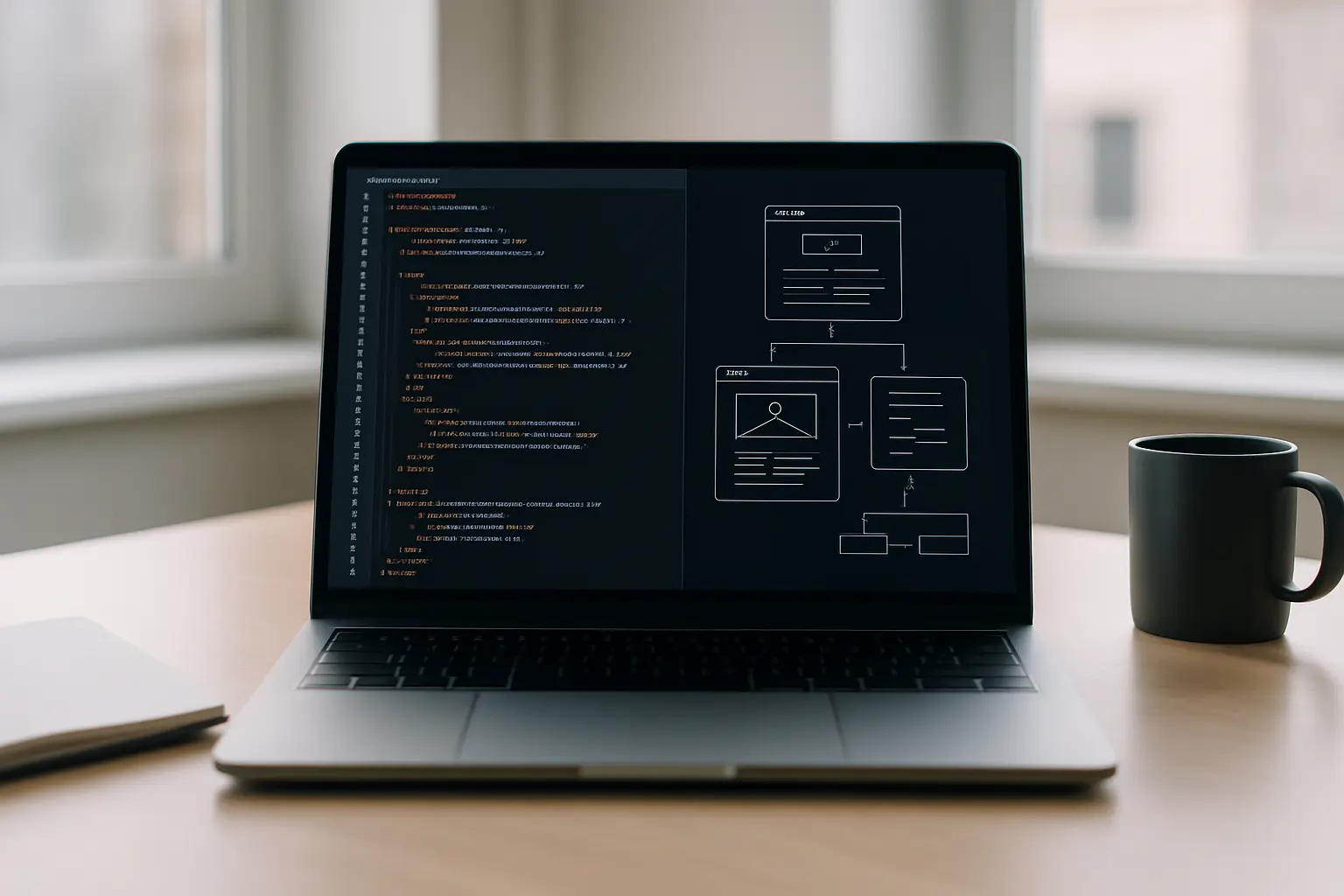
What is Technical SEO? Boost Your Website Success
What is Technical SEO and Why Does Your Website Need It?If you are wondering what is technical SEO and how it impacts your business website, this article gives you clear answers and practical steps. Technical SEO covers all the behind-the-scenes factors that help search engines understand, index, and rank your site, from website speed to mobile optimization and secure connections. In this article: Key takeaways What is Technical SEO and How Does It Work? Why Is Technical SEO Important for Your Business Website? How to Conduct a Technical SEO Audit: Steps and Tools Can Technical SEO Bring Lasting Benefits to Your Website? Frequently Asked Questions Conclusion For business owners looking to grow their online presence—whether you need a custom website, an e-commerce platform, or a complete digital transformation—understanding technical SEO is essential. With insights drawn from Devizzo’s experience delivering turnkey digital solutions using proprietary platforms and AI tools, you’ll learn why technical SEO matters, how to audit your site, and what lasting benefits it can bring. Key takeaways Technical SEO ensures your website is accessible, fast, and secure for both users and search engines. Regular technical SEO audits help identify and fix hidden issues that can impact ranking and user experience. Collaborating with a digital agency like Devizzo guarantees expert website optimization using advanced platforms and AI. Investing in technical SEO delivers long-term benefits for any business’s online presence.What is Technical SEO and How Does It Work? Technical SEO refers to the process of optimizing a website’s infrastructure so that search engines can easily crawl, index, and render its pages. Unlike on-page SEO, which focuses on content and keyword usage, or off-page SEO, which deals with external signals like backlinks, technical SEO is concerned with the backend aspects of a website. Its primary goal is to ensure that your site is accessible, fast, secure, and understandable to both users and search engines. Key elements of technical SEO include: Site Speed: Fast-loading websites provide a better user experience and are favored by search engines. Optimizing images, leveraging browser caching, and using efficient hosting solutions such as those offered by specialized digital agencies can significantly improve load times. Mobile Optimization: With most searches now happening on mobile devices, your website must be fully responsive. Mobile-first design ensures your site displays and functions correctly on all screen sizes, a standard in modern web development. Crawlability: Search engines need to navigate your website efficiently. This involves a clean site architecture, well-structured internal linking, proper use of robots.txt, and an XML sitemap to guide crawlers to your important pages. Structured Data: Implementing schema markup helps search engines better understand your content, which can enhance your appearance in search results with rich snippets.The table below summarizes how technical SEO differs from on-page and off-page SEO: SEO Type Main Focus Examples Technical SEO Website infrastructure & performance Site speed, mobile optimization, crawlability, structured data On-Page SEO Content & HTML optimization Keyword usage, meta tags, headings, internal linking Off-Page SEO External signals Backlinks, social sharing, online reputationTechnical SEO is the foundation for any successful website optimization strategy. No matter how engaging your content is, if your site is slow, difficult to navigate, or invisible to search engines, your audience will not find you. For businesses in Serbia and the ex-YU region, partnering with a digital agency like Devizzo—known for end-to-end digital solutions and proprietary platforms—means your website is built with technical SEO best practices from day one. This approach enables better rankings, improved user experience, and a website ready for future growth. To see how technical SEO can be continuously monitored and improved, explore Website SEO services that include speed checks, error fixes, and detailed audits. Why Is Technical SEO Important for Your Business Website?Technical SEO forms the foundation of a successful business website, influencing how easily search engines index and rank your pages, how quickly visitors can access content, and ultimately how well your site converts traffic into customers. Without proper technical optimization, even the most visually appealing or content-rich site can get buried in search results, losing out to competitors who invest in robust website optimization strategies. One of the most direct impacts of technical SEO is on search engine rankings. Google and other search engines reward sites that are fast, mobile-friendly, and free of technical errors. For e-commerce businesses using custom platforms—such as those developed by digital agencies like Devizzo—technical SEO ensures product pages load quickly, checkout processes remain secure, and structured data makes products visible in rich results. For corporate and custom websites, strong technical SEO improves crawlability and helps search engines understand complex site structures, raising overall visibility for branded keywords and services. Technical SEO also improves the user experience, which translates directly into higher conversion rates. Fast-loading pages, secure HTTPS connections, and effective mobile design all reduce bounce rates. An online store developed on platforms like Shopakt, paired with ongoing SEO and analytics, allows businesses to measure exactly how technical fixes impact sales and customer retention—removing the guesswork from digital growth. In fact, technical SEO is often the difference between a site that generates leads and one that simply exists online. Beyond search and user experience, technical SEO protects your entire digital presence. A technically sound website is less vulnerable to security breaches, downtime, or data loss. Regular SEO audits and tools like Nokofy—an AI-powered platform from Devizzo—help you identify and fix issues before they affect your rankings or your customers’ trust. This holistic approach supports everything from visibility and compliance to future-proofing your investment. Whether you’re running an information-rich corporate portal or a high-traffic online store, investing in technical SEO is essential for sustainable growth. If your current website is underperforming or due for a revamp, recognizing the When to Redesign Website signals can be the first step toward unlocking these benefits and staying ahead of the competition. How to Conduct a Technical SEO Audit: Steps and ToolsConducting a technical SEO audit is a foundational step in ensuring your website’s health, visibility, and long-term performance. The audit process involves a structured review of your site’s technical elements, aiming to identify and fix barriers that could hinder search engines from efficiently crawling, indexing, and ranking your content. Here’s how businesses, especially those relying on complex websites or online stores, can approach a technical SEO audit: Start with a comprehensive crawl: Use specialized tools to scan your website, uncovering issues such as broken links, duplicate content, and crawl errors. Crawling provides a full inventory of your site’s URLs and flags technical problems that may not be visible to users. Assess site architecture and internal linking: Evaluate navigation structures and ensure important pages are easily accessible. Poor site architecture can limit the effectiveness of your SEO efforts. Review on-page technical factors: Check for correct use of canonical tags, structured data, meta tags, and proper redirects. Pay close attention to page speed, mobile-friendliness, and HTTPS implementation. Analyze indexability and crawl budget: Ensure that only relevant pages are indexed by search engines. Use robots.txt and XML sitemaps wisely. Monitor and fix errors: Address issues such as 404 pages, server errors, and slow-loading resources. Ongoing monitoring is crucial for maintaining website optimization over time.Popular Tools for Technical SEO Audits Several platforms facilitate thorough SEO audits and ongoing website optimization: Google Search Console: Essential for monitoring performance, indexing status, and site errors. Screaming Frog: A desktop crawler that provides in-depth technical insights. Ahrefs and SEMrush: For auditing, tracking, and competitive analysis. Nokofy: Devizzo’s proprietary AI tool for keyword research, site audits, and visibility tracking in traditional and AI search results, tailored for businesses seeking efficient, all-in-one solutions. Audit Step Purpose Example Tool Site Crawl Identify technical errors Screaming Frog, Nokofy Speed & Mobile Test Improve user & SEO experience Google PageSpeed Insights Indexation Review Ensure only key pages are indexed Google Search Console On-Page Audit Check tags, data, and structure Ahrefs, NokofyAgencies like Devizzo, specializing in both website development and technical SEO, leverage proprietary platforms and advanced AI tools to deliver audits that go beyond standard checks. Their Nokofy tool, for example, automates much of the technical analysis, streamlining the detection and resolution of SEO obstacles for business websites and e-commerce platforms. This ensures not only faster audits but also more accurate and actionable insights, tailored to the unique needs of each client—whether launching a new site or maintaining an established online store. Regular technical SEO audits are closely linked with ongoing site health and growth. For more on the crucial role of continuous monitoring and maintenance, visit Website Maintenance Importance. Can Technical SEO Bring Lasting Benefits to Your Website? Regular investment in technical SEO is not just a short-term fix—it’s a foundation for your website’s future growth and stability. Addressing technical aspects such as mobile responsiveness, site architecture, and security protocols leads to sustained advantages: your site loads faster, stays protected from cyber threats, and is simpler to update or scale when your business grows. For companies in Serbia and the region, where digital competition is rising, these benefits are crucial for staying ahead. Technical SEO improvements are cumulative. For example, optimizing images and code reduces server load, which speeds up page loading and directly impacts both user satisfaction and search rankings. Implementing SSL certificates and regular security patches minimizes downtime and protects sensitive data—essential for e-commerce and B2B businesses. Furthermore, a well-structured site is easier to maintain, expand, and monitor, especially when using modern AI-powered tools for ongoing analysis and error detection. Feature With Technical SEO Without Technical SEO Loading Speed 2–3 seconds 5+ seconds Security SSL, regular patches Vulnerable to attacks Maintenance Easy updates, scalable Complex, error-prone SEO Performance Higher rankings, better visibility Poor indexing, lower trafficThe real value comes from ongoing, expert support. Partnering with a full-service digital agency like Devizzo ensures that your site’s technical SEO never falls behind. Because Devizzo uses its own platforms and proprietary AI tools, optimizations are not only fast but also tailored to your business’s evolving needs. This “all under one roof” approach means you don’t have to juggle multiple vendors for web development, hosting, and SEO audit—everything is continuously managed and enhanced by a single, specialized team. For business owners considering website investment, it’s essential to factor in not just the initial build but the lasting advantages of professional technical SEO and regular audits. For a detailed breakdown of what impacts your digital investment, see Website Cost 2026. If you’re ready to secure long-term growth and online stability for your business, discover how Devizzo’s technical SEO and digital solutions can make the difference. Learn more or request a consultation at devizzo.com. Frequently Asked Questions What is included in a technical SEO audit? A technical SEO audit covers site structure, URL optimization, crawlability, indexation, mobile usability, page speed, security (SSL), and structured data. Agencies like Devizzo also assess hosting quality and server performance, ensuring all technical aspects align with best SEO practices for websites, online stores, and custom applications. How often should you perform technical SEO on your website? Technical SEO should be reviewed at least quarterly or after major website updates, new feature launches, or migrations. For businesses relying on web sales or frequent content changes, regular technical checks help maintain site health and top search performance, especially when using custom platforms and AI-driven solutions. Can technical SEO improve website loading speed? Yes, technical SEO directly impacts website loading speed by optimizing server response times, code efficiency, image compression, caching, and removing unnecessary scripts. Fast-loading sites provide better user experience and rank higher in search engines, which is crucial for any business, including those using Devizzo’s hosting and web development services. Is technical SEO necessary for small business websites? Technical SEO is essential for small business websites to ensure visibility, security, and smooth user experience. Even simple sites benefit from clean code, fast loading, and mobile optimization. Agencies like Devizzo offer turnkey solutions where technical SEO is integrated from the start, making it accessible for businesses of any size. What tools are best for technical SEO analysis? Popular tools for technical SEO analysis include Google Search Console, Screaming Frog, Ahrefs, SEMrush, and GTmetrix. Digital agencies may also use in-house or AI-powered tools tailored to their platforms, such as those developed by Devizzo, to deliver precise diagnostics and actionable insights for every type of website. How does technical SEO affect e-commerce platforms? Technical SEO is vital for e-commerce platforms because it ensures product pages are indexed, site structure supports easy navigation, and loading times remain optimal even with many products. For businesses using platforms like Devizzo’s Shopakt, technical SEO supports seamless B2B features, payment integrations, and scalable growth. Ready to improve your website’s technical foundation? Explore how tailored technical SEO solutions can boost your site’s performance, security, and search visibility. Discover more about website development and optimization at Devizzo. Conclusion Technical SEO is essential for ensuring that your website runs smoothly, is visible to search engines, and provides an optimal user experience. For business owners and teams looking to boost their online presence, investing in technical SEO can deliver lasting benefits—from higher rankings to increased conversions. When your website is technically sound, every other aspect of your digital strategy becomes more effective. If you want a website or online store that meets the highest technical standards and is ready for future growth, consider a partner who offers complete digital solutions. Devizzo delivers integrated web development, design, hosting, and SEO optimization—all under one roof. Take the next step toward a smarter, search-friendly website by exploring what Devizzo can do for your business at devizzo.com.
Devizzo
12 September 2026