Website Redesign vs New Website for Growing Companies
Discover whether website redesign or a new website is best for growing companies. Explore key pros, cons, and tips to make the right choice.

Website Redesign vs. New Website: What’s Best for Growing Companies?
Choosing between website redesign vs new website is a crucial decision for any growing company. This article will guide you through the main differences, benefits, and scenarios where each option is ideal. You’ll discover how each approach impacts your brand, user experience, and digital growth.
In this article:
- Key takeaways
- Understanding Website Redesign Benefits for Modern Businesses
- When Is a New Website the Best Solution?
- Website Redesign vs New Website: Comparative Overview
- How to Choose the Right Approach for Your Company
- Frequently Asked Questions
- Conclusion
As a digital agency, Devizzo specializes in delivering turnkey web solutions for businesses of all sizes—from custom website builds and online stores to advanced web applications. If you’re a business owner or team needing a digital upgrade, understanding whether a redesign or a brand-new site better serves your goals can help you save time, optimize your investment, and achieve a stronger online presence.
Key takeaways
- Website redesign is ideal for companies needing updated visuals, improved UX, and incremental changes.
- A new website is best for businesses facing major technical or strategic shifts.
- Cost, scalability, and business goals are key factors when choosing between a redesign and a new website.
- Digital agencies with proprietary solutions, like Devizzo, can streamline both approaches for growing companies.
Understanding Website Redesign Benefits for Modern Businesses
Website redesign refers to the process of updating an existing website’s structure, design, and functionality without building it from scratch. For modern businesses, especially those in competitive markets, this approach delivers several substantial advantages:
- Enhanced User Experience (UX): A redesign allows companies to implement new navigation structures, faster load times, and responsive layouts, all of which contribute to higher user engagement and lower bounce rates.
- SEO Improvements: Integrating the latest SEO best practices, such as schema markup and improved site architecture, helps websites rank higher on search engines, directly impacting visibility and traffic.
- Consistent Branding: As businesses evolve, their branding often changes. A redesign ensures the website visually aligns with updated logos, color schemes, and messaging, creating a unified brand presence across all digital channels.
Choosing a website redesign is often the most cost-effective option when the underlying technology is still sound, but the site feels outdated or no longer reflects the company’s current goals. For growing businesses, this means retaining core data and SEO value while refreshing the look and boosting performance. For example, a retail company using a digital agency like Devizzo might opt for a redesign to incorporate new product lines and promotional banners, while keeping their existing e-commerce platform intact. This is particularly relevant when ongoing maintenance is crucial—Devizzo’s website maintenance services ensure that redesigned sites remain secure, up-to-date, and efficient, without requiring a full rebuild.
Here’s a quick overview of the primary website redesign benefits compared to launching a completely new site:
| Website Redesign Benefits | When It’s Most Effective | Considerations for Businesses |
|---|---|---|
| Improved navigation and mobile experience | When site structure is solid but design feels dated | Faster implementation, lower cost than new site |
| SEO optimization with retained rankings | When SEO equity is valuable and shouldn’t be lost | Ongoing SEO monitoring and updates recommended |
| Brand consistency and updated visuals | When branding or services have evolved | Essential for companies with frequent content updates |
For companies operating in dynamic sectors or relying on regular content and product updates, website redesign—backed by professional maintenance—delivers a flexible, scalable path to digital growth.
When Is a New Website the Best Solution?
There are moments when a simple website redesign is not enough to support your company’s growth or keep pace with industry demands. In these cases, building a new website becomes the best—and sometimes the only—solution. But how do you know when it’s time to make that leap?
Key scenarios that require a new website:
- Outdated technology: If your current site is built on old, unsupported platforms, or lacks mobile responsiveness, upgrading core infrastructure is often impossible without starting fresh.
- Replatforming or digital transformation: Moving to a new CMS, integrating AI features, or switching to custom solutions (for example, shifting from a basic builder to a proprietary platform like Devizzo’s) usually requires a new build.
- Major business pivots: Companies that change their business model, expand into e-commerce, or introduce new products/services at scale may need new architecture, workflows, and integrations that a redesign can’t deliver.
- Security concerns: Sites with fundamental security flaws, or those that have been compromised, are often safer to rebuild entirely.
For many growing businesses—especially those scaling quickly, adding online stores, or requiring advanced integrations—a new website is the optimal route. Agencies like Devizzo deliver turnkey digital solutions, combining custom development, AI automation, and full integration with hosting, SEO, and maintenance.
| Criteria | Redesign | New Website |
|---|---|---|
| Technical Foundation | Uses existing platform | Completely new stack & infrastructure |
| Typical Cost | Lower, depends on scope | Starts from €490 at Devizzo; more for advanced features |
| Time Investment | Faster | Longer, but enables broader changes |
| Best for | Cosmetic/UI improvements | Replatforming, major growth, new business models |
| Feature Expansion | Limited by legacy structure | Unlimited—AI, custom logic, advanced commerce |
Both small startups and established enterprises may need a brand new site. For example, a mid-sized retailer expanding into B2B e-commerce will outgrow a basic website and benefit from a custom store with integrated inventory, payments, and AI-powered product descriptions—precisely the kind of solution Devizzo’s proprietary Shopakt platform provides.
Investing in a new website also opens doors to modern standards, automation, and long-term scalability. If you’re comparing bespoke builds to template-based approaches, see this guide on Custom Website vs Website Builder for a deeper look at what each option delivers.
Ready to move beyond the limits of your current web presence? Discover how a new, custom-built website can transform your business at Devizzo.
Website Redesign vs New Website: Comparative Overview
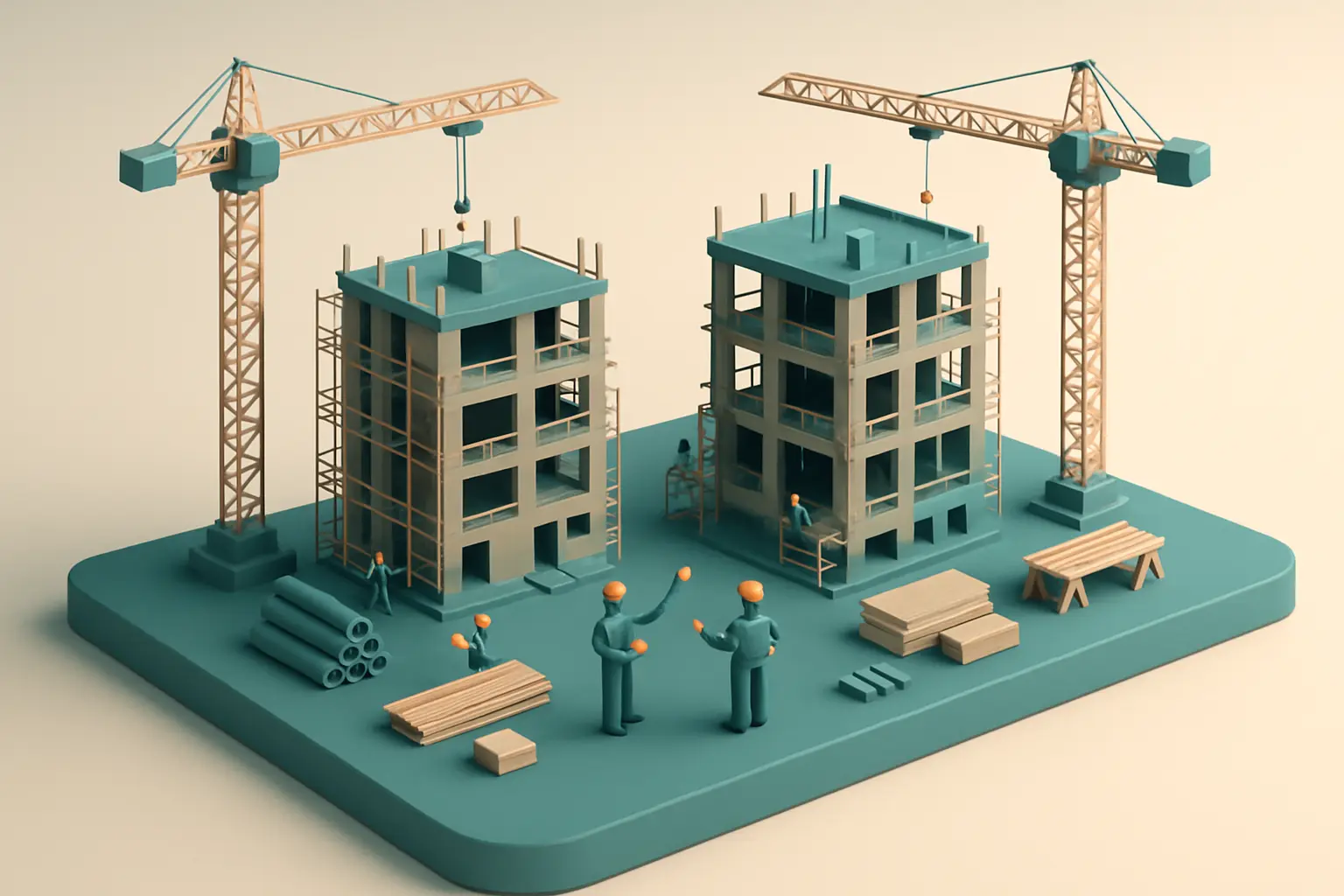
When evaluating website redesign vs new website, understanding the tangible differences between these approaches is crucial for companies aiming to grow, transform, or expand their digital presence. Below is a side-by-side comparison of key decision factors:
| Criteria | Website Redesign | New Website |
|---|---|---|
| Cost | Lower upfront investment; leverages existing structure; ideal if core features remain usable | Higher initial investment; starts from scratch; aligns with modern standards and business needs |
| Timeline | Shorter, especially if content and architecture are retained | Longer, as every element is created, tested, and integrated anew |
| Flexibility | Limited by legacy systems and previous decisions; major changes may be constrained | Maximum flexibility; tailored to current and future requirements |
| Scalability | Incremental improvements possible; may face technical limits as business grows | Built for scale; can integrate new features, e-commerce, and AI tools from the start |
| SEO Impact | Risk of losing rankings if not managed carefully but faster to implement SEO improvements | Opportunity to build an SEO-friendly structure from scratch, but may need time to regain rankings |
For businesses focused on rapid growth or digital transformation, a new website built on a proprietary platform—such as those offered by agencies like Devizzo—can provide unparalleled flexibility and scalability. Their use of AI tools further accelerates development, automates routine tasks, and ensures that the website aligns with the latest technology and user expectations.
On the other hand, if your existing website’s structure still meets your business needs and your main goals are visual refresh or incremental functionality, a redesign may be a more cost-effective and faster solution. However, for e-commerce expansion, integrating advanced features, or overhauling outdated systems, starting fresh often proves to be the smarter investment in the long run.
Consider that an all-in-one agency with expertise in full-cycle development, hosting, and website maintenance can ease the transition in both scenarios—helping you avoid common pitfalls and ensuring long-term sustainability. For deeper insight into the ongoing value of regular updates and monitoring, see Importance of Website Maintenance.
How to Choose the Right Approach for Your Company
Choosing between a website redesign and building a completely new website is a pivotal decision for any growing business. Before committing to either approach, it’s important to step back and ask the right questions that target your company’s unique needs, digital maturity, and future ambitions.
Key Questions to Guide Your Decision
- What are the main business goals for your online presence? Is your focus on scaling e-commerce, improving lead generation, or enhancing brand perception?
- Is your current website built on outdated technology, or is it simply misaligned with your brand and strategy? A redesign works well for visual and UX improvements, but foundational technical limitations may require a complete rebuild.
- How much flexibility do you need for future growth? If your business plans include new features, integrations, or significant expansion, a new website may offer more scalability.
- What is your current investment in content, SEO, and integrations? If your site already performs well in search and has complex integrations, a targeted redesign can preserve and enhance this value.
- What is your budget and expected time-to-market? Assess both the financial and operational impact, including the ongoing costs of website maintenance and support.
Practical Advice by Company Profile
| Business Type | Recommended Approach | Key Considerations |
|---|---|---|
| Small Business | Redesign | Cost-effective upgrade for branding and usability; retain existing content and SEO |
| Scaling E-commerce | New Website | Modern platform for robust features, AI-driven product descriptions, and payment integrations |
| Established Company with Complex Needs | Depends | Evaluate technical debt and future plans; consult experts for a tailored solution |
| Digital-First Startup | New Website | Build for growth with mobile-first design and easy scalability |
Whichever path you choose, ongoing performance measurement is crucial. Learn how to Track Website Success and ensure your investment delivers results.
For companies in Serbia and the region seeking a turnkey digital solution—whether you need a redesign, a new website, or expert guidance—Devizzo offers everything under one roof. Explore tailored options and start your digital transformation at devizzo.com.
Frequently Asked Questions
What are the main benefits of a website redesign for growing businesses?
A website redesign helps growing businesses improve user experience, update branding, and implement new features without starting from scratch. It can enhance site speed, mobile responsiveness, and visual appeal, while integrating advanced tools like AI-driven content or e-commerce solutions. For companies using Devizzo, a redesign can leverage their latest technologies and ensure seamless integration with marketing and hosting services.
How do I know if my company needs a new website or just a redesign?
If your current site’s structure and technology are outdated, or cannot support new business goals or integrations, a new website is likely the best solution. If your site’s foundation is solid but needs visual and functional improvements, a redesign is usually sufficient. Devizzo evaluates your needs to recommend whether a full rebuild or targeted redesign will bring the most value.
What factors affect the cost of a new website compared to a redesign?
Costs depend on the project scope, platform choice, required features, and integration complexity. A new website typically involves higher expenses due to complete development and data migration, while a redesign reuses existing assets, reducing costs. Using Devizzo’s proprietary platforms and AI tools can streamline delivery and automate tasks, impacting the final price.
How often should businesses consider a website redesign?
Most businesses benefit from a redesign every 2 to 3 years, or when there are significant changes in branding, technology, or user expectations. Companies experiencing rapid growth, entering new markets, or expanding services—such as e-commerce—should assess their website even more frequently to stay competitive and secure.
Does a website redesign impact SEO rankings?
A thoughtful redesign can improve SEO by optimizing site structure, speed, and content. However, poor execution can cause temporary ranking drops. Working with a digital agency like Devizzo ensures best practices in URL management, on-page SEO, and performance optimization, minimizing risks and supporting long-term search visibility.
What is the typical timeline for a website redesign vs. building a new website?
Redesign projects usually take several weeks, depending on complexity and content volume, while building a new website can require several months. Timelines vary based on requirements, integrations, and approval cycles. Devizzo’s use of proprietary platforms and automation tools accelerates both processes for faster project delivery.
Ready to transform your company’s online presence?
Whether you need a complete rebuild or a targeted redesign, Devizzo offers end-to-end solutions from design and development to hosting and digital marketing. Explore how your business can grow with a modern website or online store at devizzo.com.
Conclusion
Choosing between a website redesign and a completely new website is a strategic decision that depends on your company’s growth goals, digital maturity, and current online presence. For businesses in Serbia and the region, partnering with a digital agency like Devizzo—known for delivering turnkey website, e-commerce, and application solutions on their own platforms—ensures you get an approach tailored to your specific needs, whether you’re modernizing an existing site or building from scratch.
If your company is considering its next digital step, it’s essential to align your choice with your goals for scalability, automation, and seamless integration. Explore how Devizzo’s unified services, AI-powered tools, and ongoing support can help your business thrive online—discover more at devizzo.com.
Related articles
Custom Web Applications vs Off the Shelf: Full Comparison
Custom Web Applications vs Off-the-Shelf Solutions: Which is Better for Your Business?When deciding between custom web applications vs off the shelf solutions, the right choice can significantly impact your business’s digital presence and future growth. This article will help you understand the main differences, advantages, and drawbacks of both approaches, so you can make an informed decision tailored to your needs. In this article: Key takeaways Understanding Custom Web Applications and Off-the-Shelf Solutions Custom Web Applications: Advantages and Drawbacks Off-the-Shelf Solutions: Pros and Cons Custom Web Applications vs Off-the-Shelf: Comparative Overview Frequently Asked Questions ConclusionAs a digital agency offering web development, e-commerce, and application solutions, Devizzo specializes in creating customized platforms and modules that integrate easily with your existing systems. Here, you’ll discover how a tailored approach compares to ready-made products, and which option aligns best with your company’s goals, workflow, and ongoing support requirements. Key takeaways Custom web applications offer unmatched flexibility and scalability for unique business needs. Off-the-shelf solutions provide faster deployment and lower upfront costs, but may lack essential customization. Choosing between custom and off-the-shelf depends on long-term goals, required features, and existing infrastructure. Devizzo’s tailored digital solutions combine the best of both approaches, with customizable platforms, ongoing support, and transparent pricing.Understanding Custom Web Applications and Off-the-Shelf SolutionsThe choice between custom web applications and off-the-shelf solutions is fundamental when selecting the right digital tools for your business. A custom web application is software specifically designed and developed to address your unique business requirements. This approach offers tailored features, integrations, and workflows—such as a web portal that automates your internal operations or an e-commerce platform with unique product configurators. In contrast, off-the-shelf solutions are ready-made products, like Shopify or WordPress, designed for mass adoption with standard features and limited customization. Typical use cases for each approach vary based on business complexity and goals: Custom applications are ideal for businesses with specific processes, regulatory requirements, or integration needs that generic software cannot accommodate. For example, a retailer needing advanced B2B management or a manufacturing firm requiring a custom workflow would benefit from bespoke software. Off-the-shelf solutions fit businesses that need rapid deployment and can adapt their processes to available features—such as launching a simple online store or a basic company website.Digital agencies like Devizzo often bridge these approaches by leveraging proprietary, modular platforms that combine the flexibility of custom development with the speed and reliability of proven, reusable components. For instance, Devizzo’s platforms allow for customizable modules—from e-commerce engines to AI-generated content—enabling tailored solutions without starting from scratch. This is particularly valuable for organizations seeking both a unique digital presence and ongoing support, without the overhead of building and maintaining entirely bespoke software. Aspect Custom Web Applications Off-the-Shelf Solutions Hybrid Approach (e.g., Devizzo’s Modular Platforms) Development Time Longer (tailored to client) Immediate deployment Medium (customization on proven modules) Customization Unlimited (fully bespoke) Limited (preset features) High (modules adjusted per client) Cost Structure Higher initial investment Lower upfront, possible recurring fees Balanced (transparent pricing, scalable options) Maintenance & Support Depends on provider Standardized, but less flexible Continuous support and updates Integration with Existing Systems Custom integrations possible Limited, often extra cost Designed for integrationFor businesses exploring custom web applications vs off the shelf options, understanding the scope and flexibility of each model is essential. Digital agencies with their own adaptable platforms, such as Devizzo, can deliver solutions that balance speed, integration, and ongoing digital support—making them a compelling choice for companies with evolving or complex digital needs. Custom Web Applications: Advantages and Drawbacks Custom web applications offer a range of advantages that make them appealing for businesses seeking solutions precisely tailored to their unique needs. Unlike off-the-shelf products, custom app development allows for scalability as your business evolves, flexibility in design and functionality, and seamless integration with your existing systems. For example, a retail brand that requires both B2B and B2C e-commerce can benefit from a custom solution that unifies wholesale and retail management—without juggling multiple platforms or duplicating data. This is exactly the kind of tailored approach that agencies like Devizzo deliver, using their own adaptable modules to fit complex workflows and industry-specific requirements. Another key advantage of custom web applications is the potential for unique branding and user experience. Businesses are not limited by the constraints of generic templates or feature sets. Instead, they can work with a team that builds digital solutions to create a platform that aligns perfectly with their operational processes and business goals. Features can be prioritized, security can be enhanced, and future growth is planned from day one. However, custom solutions do come with certain challenges. The initial investment is typically higher compared to ready-made software, and development timelines are longer since every component is built to specification. Ongoing maintenance and updates are essential to ensure security and compatibility as technology evolves. Agencies like Devizzo address these issues with transparent project milestones, regular updates, and long-term support packages—so businesses are not left on their own after launch. Criteria Custom Web Applications Off-the-Shelf Solutions Scalability High—can grow and adapt as your business expands Limited—may require costly upgrades or replacements Integration Seamless with existing systems and processes May require workarounds or additional plugins Initial Investment Higher upfront, tailored to requirements Lower upfront, but less flexible Time to Launch Longer—custom development cycle Immediate or very fast deployment Ongoing Support Continuous service and updates from the provider Standardized, may lack dedicated supportFor businesses with unique operational flows or ambitious digital goals, the investment in bespoke software can mean a significant competitive edge. With Devizzo’s end-to-end offerings—including design, hosting, SEO, and continuous maintenance—organizations can focus on growth while their digital infrastructure evolves alongside them. Off-the-Shelf Solutions: Pros and Cons Off-the-shelf solutions remain a popular choice for businesses seeking to launch digital platforms quickly and with minimal investment. These ready-made applications offer several notable advantages, particularly for organizations with standard requirements and limited budgets. Key Advantages of Off-the-Shelf Solutions Lower Upfront Costs: Compared to custom app development, off-the-shelf software typically involves a one-time purchase or recurring subscription, making initial expenditures predictable and affordable. Rapid Deployment: Most off-the-shelf platforms can be set up in a matter of days, allowing you to get your website or online store live without lengthy development cycles. Widespread Community Support: Established products often have extensive documentation, user forums, and third-party plugins, making troubleshooting and minor enhancements easier.Common Limitations and Challenges Restricted Customization: While some theming and plugin options exist, off-the-shelf solutions rarely allow deep customization. Unique business processes or innovative features may be out of reach. Potential Integration Issues: Integrating with legacy systems, specialized logistics, or local payment gateways can be problematic if the off-the-shelf software doesn't support required APIs or data formats. Vendor Lock-In: Relying on a third-party provider means your business depends on their update cycles, terms of service, and continued product support.Off-the-Shelf vs. Tailored Platforms for E-Commerce When it comes to e-commerce, the choice between an off-the-shelf solution and a tailored platform like Shopakt can significantly impact your business's flexibility and growth potential. Off-the-shelf e-commerce systems may suffice for basic online sales, but as your operations expand, you may encounter limitations in automation, B2B features, or integration with accounting and logistics. In contrast, bespoke software built on proprietary modules—as offered by Devizzo—can address these complex demands and evolve with your brand. Criteria Off-the-Shelf Solutions Custom/Tailored Platforms (e.g., Shopakt) Initial Cost Low to moderate (subscription or license fee) Higher upfront, but tailored to needs Deployment Speed Immediate to a few days Phased rollout; timeline based on complexity Customization Limited (themes, plugins) Extensive (features, integrations, branding) Integration Options Standard, may be restrictive Custom integrations with business systems Ongoing Support Community-based, vendor updates Dedicated support, tailored maintenanceFor businesses weighing custom web applications vs off the shelf, it’s essential to align your choice with current needs and future ambitions. If you require a solution that can scale, integrate seamlessly, and reflect your unique workflows, consider exploring website development services that offer more than generic templates. Custom Web Applications vs Off-the-Shelf: Comparative OverviewWhen considering custom web applications vs off the shelf solutions, it is crucial to evaluate them across key business priorities. Below is a comparative overview that highlights the most relevant factors for decision-makers seeking either a tailored or ready-made digital platform. For businesses working with digital agencies such as Devizzo—which delivers both custom web app development and robust e-commerce platforms—these distinctions directly impact project outcomes and long-term ROI. Criteria Custom Web Applications Off-the-Shelf Solutions Initial Cost Higher upfront investment; tailored to your requirements Lower initial cost; subscription or license based Speed of Deployment Longer (weeks to months, depending on complexity) Immediate or very short setup period Scalability Fully scalable and adaptable as your business grows Limited; scaling often requires costly upgrades or migration Customization Unlimited; built to fit unique processes and branding Minimal; restricted to existing features and templates Long-Term Value High; reduces dependency on third parties and adapts to future needs Lower; potential for recurring costs and platform lock-in Support & Maintenance Ongoing, tailored support from your development partner Standardized support, often lacking deep customization assistanceWhich solution fits your business? Small businesses or startups with limited budgets and straightforward requirements often benefit from off-the-shelf platforms, especially when rapid launch is a priority. Growing brands, B2B companies, or enterprises with unique workflows, advanced e-commerce needs, or integration requirements usually achieve greater efficiency and differentiation with bespoke software. Companies that require features such as editing store appearance directly from the admin panel or seamless integration with existing systems should consider custom app development for maximum flexibility and future-proofing.If you are weighing custom web applications vs off the shelf for your next project, it is essential to align the solution with your business goals, industry specifics, and future growth plans. Explore Devizzo’s Online store development or reach out for a tailored approach that ensures your digital presence stands out and scales with your ambitions. Discover more at devizzo.com. Frequently Asked Questions What is the main difference between custom web applications and off-the-shelf solutions? Custom web applications are tailored to fit the specific needs, processes, and branding of a business, while off-the-shelf solutions offer standard features designed for a broader audience. Agencies like Devizzo create custom apps using proprietary platforms and modules, ensuring seamless integration and flexibility, unlike generic products with limited customization. When should a business choose custom app development over off-the-shelf software? Businesses should opt for custom app development when they require unique workflows, integrations, or advanced features not supported by ready-made software. For example, companies needing a bespoke e-commerce platform or specialized digital support benefit from custom solutions provided by agencies that offer personalized development and ongoing maintenance. Are custom web applications more secure than off-the-shelf solutions? Custom web applications can offer enhanced security because they are built with specific business needs in mind and are less prone to widespread attacks targeting popular off-the-shelf products. With dedicated support and regular updates, agencies like Devizzo help maintain high security standards through custom-built solutions. How long does it take to develop a bespoke software application? The development time for a custom software application depends on its complexity, required features, and integration needs. Typically, the process includes specification, phased delivery, and testing, all transparently defined by agencies with complete in-house services such as Devizzo, ensuring clear timelines from project start to launch. What are the hidden costs of off-the-shelf app solutions? Off-the-shelf software often incurs additional costs such as licensing fees, upgrades, add-on modules, and integration expenses. Businesses may also face higher maintenance or support charges, as well as costs related to adapting existing workflows to fit the software’s limitations, unlike tailored custom solutions. Can off-the-shelf solutions be integrated with existing business systems? Many off-the-shelf solutions offer limited integration capabilities, which may not fit complex or unique business environments. Custom development, using adaptable platforms and modules like those from Devizzo, allows seamless integration with current systems, ensuring the software works harmoniously within existing workflows. Ready to elevate your business with the right digital solution? Explore how a custom web application or e-commerce platform, tailored to your needs and supported by a single, reliable partner, can transform your operations. Visit Devizzo to find out more about the complete digital services available for your business. Conclusion Choosing between custom web applications and off-the-shelf solutions depends on the specific needs and long-term goals of your business. While ready-made options can offer a quick and affordable start, custom development ensures that your digital presence grows and adapts alongside your brand. For companies seeking tailored features, seamless integration with existing systems, and dedicated support, a partner like Devizzo—offering everything from bespoke web and e-commerce development to ongoing maintenance—can deliver lasting value and competitive advantage. If your business needs a modern website, a scalable online store, or a custom digital solution with continuous support, explore how Devizzo’s integrated services can help you achieve your goals. Learn more or request a consultation at devizzo.com.
Devizzo
4 September 2026
Custom Website vs Website Builder for Growing Companies
Custom Website vs Website Builder: What’s Best for Growing Companies?Choosing between a custom website vs website builder is a key decision for any growing business. If you’re a company owner, e-commerce manager, or part of a team planning digital expansion, these two options can shape your brand's future online. This article explains the main differences, advantages, and limitations of each approach—helping you decide which path best fits your goals. In this article: Key takeaways Understanding Website Development Options for Businesses Custom Website Pros and Cons: Is Tailored Development Worth It? Website Builders for Business: Advantages and Limitations Custom Website vs Website Builder: Comparative Overview Frequently Asked Questions Conclusion Devizzo, a digital agency working with businesses across Serbia and the ex-YU region, specializes in both custom website development and advanced e-commerce solutions. With experience in building turnkey platforms and using AI tools for fast, tailored delivery, Devizzo understands the unique needs of companies seeking more than a basic online presence. By reading on, you’ll learn exactly what each solution offers and which is best for your next step. Key takeaways Custom websites offer maximum flexibility and scalability, ideal for businesses with unique needs or growth plans. Website builders provide quick, cost-effective solutions, but may be limiting for companies requiring advanced features. Choosing between custom and builder-based development depends on company size, budget, and long-term digital goals. Expert digital agencies like Devizzo help businesses assess and implement the optimal approach for their specific requirements.Understanding Website Development Options for Businesses When considering website development options for business growth, understanding the real differences between a custom website and a website builder is essential. Each approach serves distinct business needs, technical expectations, and growth ambitions. Digital agencies like Devizzo often guide clients through this decision, leveraging expertise in both custom-built solutions and advanced proprietary platforms. Custom websites are developed from the ground up, typically using frameworks or CMSs tailored to your unique requirements. This involves a team of web designers, developers, and sometimes copywriters, creating everything from design to code and content. Custom websites are ideal when you require specific functionality, custom integrations (such as payment gateways or CRM systems), or a distinctive brand experience that off-the-shelf solutions can't deliver. Website builders, on the other hand, are platforms that allow users to create websites using pre-designed templates and drag-and-drop tools. Examples include global SaaS platforms and, in the case of Devizzo, proprietary builder tools optimized for local businesses. Website builders are excellent for straightforward sites, fast launches, and businesses with limited budgets or technical skills, providing a user-friendly experience but often with constraints on design and scalability. Feature Custom Website Website Builder Development Approach Hand-coded or CMS-based, tailored to requirements Template-based, drag-and-drop interface Best For Medium to large businesses, complex needs, unique branding Small businesses, quick launches, limited budgets Scalability High—can grow with your business Moderate—may require migration for advanced features Customization Unlimited, fully bespoke design and features Limited to builder’s templates and plugins Integration Options Advanced integrations (APIs, payment, ERP, B2B) Basic integrations, often via plugins Maintenance Requires ongoing support, updates, security Typically handled by the builder platformUse cases vary by company size and needs: Small businesses often choose website builders for cost-effectiveness and speed, especially for basic informational sites or simple e-commerce. Medium-sized companies may start with a builder but typically outgrow its limitations, requiring custom solutions for branding, integrations, or complex workflows. Large enterprises almost always require custom websites or applications to support advanced features, security, and integration with other business systems.Agencies like Devizzo bring a unique perspective by offering both models—custom development for clients who need tailored solutions and advanced, proprietary builder platforms for those seeking efficiency and automation. This ensures that whether you’re launching your first site or scaling to a complex online store, you have a partner equipped for every stage of digital growth. Custom Website Pros and Cons: Is Tailored Development Worth It? Choosing a custom website is often the go-to solution for businesses aiming for long-term growth, flexibility, and a unique digital identity. Unlike off-the-shelf website builders, custom websites are designed from the ground up to match a company’s specific needs, branding standards, and business processes. This approach brings several benefits—but also some notable challenges—especially for companies in e-commerce, B2B services, or those requiring complex system integrations. Benefits of a Custom Website Flexibility & Scalability: Custom websites can grow and adapt alongside your business, accommodating new features, markets, or integrations as your company evolves. For instance, retailers expanding from local to regional sales can add custom payment gateways or loyalty programs tailored to their customers. Unique Branding: A custom website allows for a fully tailored user experience and design, helping your brand stand out. This is critical for companies that want their site to reflect a unique value proposition or require specific user journeys, such as B2B platforms that need multi-level access or custom quoting systems. Advanced Integrations: Custom development enables connection with ERPs, CRMs, or inventory management software—essential for larger e-commerce operations or enterprises managing complex workflows. Devizzo, for example, develops online stores on its proprietary Shopakt platform, integrating AI product descriptions and advanced B2B features in line with the client’s requirements.Drawbacks to Consider Higher Initial Costs: Custom development is typically more expensive upfront than using a website builder, as it involves tailored coding and design. Longer Timelines: Designing and developing a bespoke site takes more time, which may be a concern for businesses needing a rapid launch. Ongoing Maintenance: A custom website requires regular updates, security patches, and technical support. Failing to maintain a tailored site can lead to security risks or performance issues. For more on why ongoing care is crucial, see this guide on the Importance of Website Maintenance. Aspect Custom Website Website Builder Branding Fully unique, tailored to business Limited to templates and preset styles Scalability Highly scalable and adaptable May face limitations with growth Integrations Custom integrations possible (ERPs, AI, B2B, etc.) Limited or requires paid add-ons Cost Higher initial investment Lower upfront; subscription-based Maintenance Requires dedicated support and updates Maintenance often included, but less controlUltimately, a custom website is best suited for businesses with specific technical needs, ambitious growth plans, or a desire to distinguish themselves in a competitive market. For companies seeking a complete digital solution—including ongoing support and the benefits of proprietary platforms and AI automation—working with a partner like Devizzo provides the flexibility and expertise needed to turn complex requirements into a seamless online experience. Website Builders for Business: Advantages and LimitationsWebsite builders such as Wix, Squarespace, and Shopify have become popular choices for growing companies seeking a quick and budget-friendly way to establish their online presence. These platforms offer pre-designed templates, intuitive drag-and-drop interfaces, and built-in features like blogging, e-commerce, and analytics. For business owners with limited technical expertise or those needing to launch a site rapidly, website builders can be an appealing solution. Advantages of Website Builders for Business Speed: Most website builders allow you to go from concept to live website in a matter of hours or days, making them ideal for startups or businesses with tight deadlines. Affordability: With fixed monthly or annual fees, website builders reduce upfront costs. Maintenance, hosting, and security are typically included, providing clarity in budgeting. Ease of Use: Drag-and-drop editors and ready-made templates mean you don’t need coding skills to launch or maintain your site. Most platforms also offer user-friendly dashboards for managing content and products. Feature Website Builder Custom Website Launch Time 1-3 days 2-8 weeks Initial Cost Low to moderate Higher Technical Skills Needed Minimal Professional developer or agency Customization Limited to templates and platform features Fully tailored to business needs Scalability Challenging for complex growth Flexible to scale and integrate new featuresLimitations: Customization and Scaling Challenges Despite their strengths, website builders come with inherent limitations. As your business grows, you may find yourself restricted by the platform’s template structure, limited integration options, and inflexible codebase. For example, scaling to advanced e-commerce features, B2B workflows, or custom integrations often requires workarounds or even moving to a different platform entirely. This can disrupt your operations and lead to unexpected costs. Advanced agencies like Devizzo address these gaps by offering proprietary platforms and AI-powered tools that combine the speed and automation of website builders with the flexibility and scalability of custom development. Their tailored solutions enable seamless integration of payment systems, inventory management, and even B2B modes—elements that standard website builders struggle to handle efficiently. If you want to learn how to measure your website’s impact as your business grows, check out this guide: Track Website Success. Custom Website vs Website Builder: Comparative Overview When considering custom website vs website builder solutions, it’s crucial to understand how each option aligns with the needs of growing businesses. The table below outlines the main differences across key criteria: Criteria Custom Website Website Builder Initial Cost Higher (from €490+) Lower or monthly subscription Timeline Longer (custom development process) Faster (launch in days) Scalability Excellent, tailored to growth Limited, depends on platform Design Freedom Full creative control Template-based, customization limited Technical Support Agency or dedicated expert support Platform support, varies in depthWhich businesses benefit from each? Custom websites are best for companies with unique branding, complex functionality, or long-term scaling plans (such as e-commerce, SaaS, or businesses requiring system integrations). For example, a mid-sized retailer expanding online could benefit from a tailored online store built on a proprietary platform like Shopakt, ensuring seamless inventory, payment, and B2B features. Website builders suit startups, small businesses, or those needing a quick online presence with a tight budget and standard requirements. These tools are perfect for basic informational sites or temporary landing pages, especially when speed outweighs advanced customization.It’s also important to consider future needs, such as mobile optimization—something every company should address, as discussed in Mobile Friendly Website 2026. Choosing between website development options doesn’t have to be overwhelming. Agencies like Devizzo help businesses navigate the custom website pros and cons compared to website builders for business, offering both custom builds and advanced, AI-powered builder-based solutions under one roof. Their consultative approach ensures you get a solution that fits your growth plans—whether a fully custom platform or a streamlined builder deployment. Frequently Asked Questions What are the main differences between a custom website and a website builder? A custom website is built from scratch, tailored to unique business needs and branding, while a website builder uses pre-made templates and drag-and-drop tools for quick setup. Custom sites offer flexibility, scalability, and advanced features. Website builders are faster and easier for basic sites but have limitations in customization and integrations, especially for growing companies. Which option is better for e-commerce businesses: custom website or website builder? E-commerce businesses aiming for growth benefit more from a custom website, as it allows integration with inventory, payment systems, and tailored user experiences. While website builders can launch simple shops quickly, custom solutions—like those based on proprietary platforms such as Shopakt—offer greater flexibility, automation, and scalability to support expanding operations and B2B models. How do costs compare between custom websites and website builders for growing companies? Aspect Custom Website Website Builder Initial Cost Higher Lower Monthly Fees Variable (hosting/maintenance) Subscription-based Scalability Cost Predictable, tailored upgrades Rising with extra features Custom sites require a larger upfront investment but offer better long-term value for growing companies needing advanced functionality. Can a website builder handle advanced features and integrations required by a scaling business? Most website builders have limited ability to support advanced features, custom integrations, or complex workflows. As a business scales, it may require specific payment gateways, inventory systems, or AI-driven product descriptions—capabilities better managed by custom-built solutions using specialized platforms and development expertise. What factors should a company consider when choosing between custom development and a website builder? Key considerations include business growth plans, need for unique branding, required features, integration with third-party tools, and ongoing support. Companies seeking a full-service digital solution—covering design, development, hosting, and maintenance in one place—benefit more from a custom approach, especially when using agencies with proprietary platforms and automation tools. Is it possible to migrate from a website builder to a custom website later on? Migration from a website builder to a custom website is possible but can involve manual work to transfer content, design, and integrations. Agencies experienced with both website builders and custom solutions, like Devizzo, can assist in a smooth transition and ensure the new site meets evolving business needs. Ready to grow your business with a custom website? If your company needs a scalable, fully tailored digital solution, explore Devizzo’s end-to-end web development services. From e-commerce to custom applications, their proprietary platforms and AI tools empower your business for long-term growth. Learn more at devizzo.com. Conclusion Choosing between a custom website and a website builder comes down to the specific needs and ambitions of your business. While website builders offer speed and simplicity, custom development delivers flexibility and scalability—crucial for companies aiming for growth and unique online presence. For business owners seeking a complete solution, partnering with a digital agency like Devizzo ensures not only tailored website or e-commerce development, but also ongoing support, hosting, and integrated digital marketing, all under one roof. If you’re ready to elevate your company's digital presence with a solution built around your goals, consider exploring Devizzo’s end-to-end web development services. Discover more about how your business can benefit at devizzo.com.
Devizzo
4 October 2026

Website Security Small Business: Essential Protection Tips
Essential Website Security Practices for Small Businesses: How to Protect Your Business OnlineWebsite security small business is a critical topic for every company operating online, especially for those relying on their website or e-commerce platform to connect with customers and grow their brand. In this article, you will learn why protecting your business website is essential, which steps are most effective, and how to maintain strong security with minimal effort. In this article: Key takeaways Why Is Website Security Critical for Small Businesses? What Are the Key Steps to Secure a Business Website? Which Web Security Tips Are Most Effective for Small Business Owners? How Can Small Businesses Ensure Ongoing Website Protection? Frequently Asked Questions Conclusion Drawing on the experience of Devizzo, a digital agency that delivers end-to-end solutions for website creation, online stores, and business applications, you'll discover practical tips tailored to small business owners. Whether you manage your own site or trust partners for hosting and maintenance, these insights will help you avoid costly downtime, protect sensitive customer data, and ensure your digital presence is always secure. Key takeaways Website security is essential for small businesses to protect sensitive data and maintain customer trust. Key practices include SSL, strong passwords, regular updates, and reliable hosting. Partnering with digital agencies like Devizzo provides all-in-one solutions for secure business websites. Continuous monitoring and employee awareness are crucial for long-term protection.Why Is Website Security Critical for Small Businesses? Small businesses are increasingly targeted by cybercriminals due to limited resources and often less sophisticated security measures compared to larger enterprises. Hackers see these companies as easier entry points for stealing sensitive data, compromising customer information, or launching wider attacks. For owners of online stores, company websites, or custom business applications, a single breach can have devastating consequences. The risks of poor website security for small businesses go far beyond technical inconvenience: Financial loss: Cyberattacks can lead to direct theft, fraud, or ransomware payments, as well as costs related to restoring data and systems. Reputational damage: News of a data breach can quickly erode customer trust, resulting in lost sales and negative reviews. Legal and compliance issues: Failing to protect customer information can trigger regulatory fines and legal claims, especially for e-commerce businesses handling payment data. Risk Impact on Small Business Mitigation Example Data Breach Customer data exposure, loss of trust SSL encryption, regular updates Ransomware Attack Website downtime, financial extortion Automated backups, security monitoring Defacement or Malware Damaged brand image, SEO penalties 24/7 monitoring, prompt patchingDigital agencies like Devizzo understand these risks and integrate security at every stage of website and application development. For example, when creating an e-commerce store on their proprietary Shopakt platform, Devizzo ensures secure payment integration, robust hosting with SSL, and constant monitoring as part of their turnkey solutions. This proactive approach means website security is not an afterthought, but a foundational part of protecting both the business and its customers from the start. For further insights on how ongoing support can enhance security and performance, consider reading Website Maintenance Importance: Key Facts for Business. What Are the Key Steps to Secure a Business Website?Securing a business website requires a focused and systematic approach, especially for small businesses that may lack in-house IT resources. Here are the fundamental steps every organization should take to ensure robust website security: Install an SSL Certificate: Encrypting data exchanged between your site and visitors with SSL is an essential first step. This not only protects sensitive information but also builds customer trust and helps with search engine rankings. Use Strong, Unique Passwords: All admin and user accounts should use complex passwords and two-factor authentication where possible. Easy-to-guess credentials remain one of the most common entry points for attackers. Update Software Regularly: Whether you use a content management system, plugins, or custom solutions, keeping all components up to date ensures the latest security patches are applied. Automated update systems can reduce the risk of human error. Schedule Regular Backups: Back up your website and databases frequently and store copies securely. This step is crucial for quick recovery in case of a cyberattack or accidental data loss.For many small businesses, partnering with a professional agency like Devizzo streamlines these tasks. By choosing managed hosting and ongoing maintenance, you gain access to built-in SSL, daily backups, and proactive security monitoring. Devizzo’s dedicated hosting solutions also include 24/7 surveillance and quick-response technical support, reducing the burden on your internal team and minimizing downtime risks. To dive deeper into why continuous support is vital for both security and performance, see Website Maintenance Importance: Key Facts for Business. Ongoing Monitoring and Security Audits Regular monitoring and security audits are not optional—they are vital for detecting vulnerabilities before they become threats. Small business owners should implement: Real-Time Threat Detection: Automated tools that monitor suspicious activity and alert you immediately. Scheduled Security Audits: Periodic reviews of code, access logs, and configurations to spot weaknesses. Incident Response Plans: Well-defined protocols for responding to breaches, ensuring rapid containment and recovery.Integrating these practices with expert support from digital agencies specializing in turnkey solutions, like Devizzo, allows you to focus on growth while your website remains protected. For further web security tips and strategies that complement your broader digital presence, explore Social Media Management Best Practices. Which Web Security Tips Are Most Effective for Small Business Owners?For small business owners, adopting effective web security tips is essential to protect sensitive data, safeguard customer trust, and ensure business continuity. With cyber threats evolving rapidly, it is crucial to rely on proven strategies tailored to the needs of growing companies—especially those operating in competitive markets like Serbia and the wider region. Here are the most impactful ways to strengthen website security for small businesses: Build on Secure Platforms: Choosing a reliable website platform is the first line of defense. Custom solutions, like those developed by Devizzo for business websites and online stores, are designed with security in mind, reducing exposure to common vulnerabilities found in generic CMS setups. Limit User Access and Permissions: Grant administrative privileges only to trusted staff members. Regularly review user accounts and immediately revoke access for former employees or unused accounts to minimize internal risks. Implement Firewalls and SSL Encryption: Firewalls act as a barrier between your website and potential attackers, while SSL certificates ensure data is encrypted during transmission. Hosting packages from specialized agencies often include these features by default. Automate Security Updates and Backups: Outdated plugins and software are common entry points for cybercriminals. Using platforms with automated patching and regular backups—such as those offered by Devizzo—reduces manual workload and ensures swift recovery in case of incidents. Leverage AI-Based Security Tools: AI can detect suspicious activity, block brute-force attempts, and automate threat responses. Devizzo’s integration of AI tools into their proprietary platforms helps automate many aspects of website protection, making advanced security more accessible even to small teams. Educate Your Team: Human error remains a frequent cause of security breaches. Regular training on safe browsing, password management, and recognizing phishing attempts significantly lowers the risk of accidental data leaks. Even a brief quarterly training session can make a big difference.For those interested in ongoing website protection, continuous maintenance is key. Explore more about why regular support matters for security in the article Website Maintenance Importance: Key Facts for Business. Finally, remember that security is not a one-time setup, but an ongoing process. By combining secure platforms, automated tools, staff training, and regular reviews, small business owners can create a robust defense against both common and advanced threats. For further tips on digital automation that supports business growth, see Automated Email Marketing Small Business. How Can Small Businesses Ensure Ongoing Website Protection? Protecting a website is never a one-time effort—ongoing vigilance is essential for any small business that wants to maintain a secure online presence. Regular site maintenance, timely updates, and continuous threat monitoring are the pillars of effective website security for small business owners. Neglecting these steps can leave your site vulnerable to cyberattacks, data breaches, and costly downtime. Site maintenance involves much more than just updating content. It requires applying security patches, updating plugins and core systems, and scanning for vulnerabilities. Automated threats and new attack methods emerge constantly, so a secure business website demands proactive measures. If you manage your own website, create a schedule for updates and backups. Consider setting reminders to review admin accounts, check SSL certification, and monitor suspicious activity. However, the most reliable way to protect a website for small business is to invest in a comprehensive digital solution that combines design, development, hosting, and security within a single provider. Agencies like Devizzo, which offer turnkey services—including hosting with SSL, backups, and 24/7 monitoring—can centralize your website’s protection. This unified approach ensures no security aspect is overlooked and that vulnerabilities are addressed promptly. With proprietary platforms and AI-powered tools, Devizzo adapts rapidly to evolving threats, providing peace of mind as your digital partner. For a detailed look into how regular updates and support boost site security, see Website Maintenance Importance: Key Facts for Business. If you’re choosing between hosting solutions, the article How to Choose Business Website offers actionable insights tailored to business needs. If you want to ensure continuous protection and growth for your online presence, consider professional solutions that integrate all aspects of website management. Partnering with a team that offers everything under one roof, like Devizzo, enables small businesses to focus on success while experts handle the technical and security challenges. Explore tailored website security and support at devizzo.com. Frequently Asked Questions What are the biggest website security threats for small businesses? Small businesses face threats like phishing attacks, malware infections, brute-force login attempts, outdated software vulnerabilities, and weak passwords. E-commerce sites also risk payment data breaches. Relying on a digital agency with integrated security features, such as Devizzo, can help minimize these risks by providing secure hosting, regular updates, and proactive monitoring. How can I tell if my small business website has been hacked? Warning signs include unexpected changes to your site content, sudden drops in traffic, browser security alerts, slow performance, or reports from customers about suspicious activity. If you use a digital agency like Devizzo for hosting and maintenance, their 24/7 monitoring can quickly detect and address breaches, minimizing downtime and damage. Do I need SSL for a small business website? Yes, SSL is essential for all business websites, regardless of size. It encrypts data sent between your site and visitors, protecting sensitive information and building trust. Search engines also prioritize secure (HTTPS) sites. Devizzo includes SSL certificates in their hosting services to ensure every client’s site meets modern security standards. What is the easiest way to back up my business website? The simplest approach is automated, scheduled backups provided by your hosting provider or agency. This ensures regular copies of your site are stored securely and can be restored quickly if needed. Devizzo’s hosting packages include backup solutions, removing the need for manual backup management and reducing risk of data loss. How often should I update plugins and software on my site? Update all plugins, themes, and core software as soon as new releases or security patches become available. Delaying updates leaves your website vulnerable to known exploits. Agencies like Devizzo offer ongoing maintenance and automated updates, ensuring your site stays secure without requiring constant manual oversight. Can a digital agency help with ongoing website protection? Yes, a digital agency specializing in website development and maintenance, such as Devizzo, provides comprehensive security services. This includes regular updates, vulnerability patching, 24/7 monitoring, SSL implementation, and backup management. Partnering with such a team allows you to focus on your business while experts handle your site’s security. Ready to protect your business website? For reliable website security, maintenance, and digital solutions tailored to your business, explore the complete services Devizzo offers. Ensure your online presence is safe and professional by visiting devizzo.com. Conclusion Website security is not just a technical necessity but a vital investment in the stability and reputation of any business operating online. For companies in Serbia and the region, working with a digital agency like Devizzo—which unites website development, hosting, security, and ongoing support under one roof—means that you can focus on growing your business while your digital assets remain protected through every stage. If you’re ready to ensure your website or online store is both secure and optimized for success, explore how Devizzo’s comprehensive digital solutions can provide peace of mind and powerful results. Learn more or start your project at devizzo.com.
Devizzo
21 September 2026