Website Redesign vs Website Refresh: Best Choice for
Discover the difference between website redesign vs website refresh and find out which option best suits your business goals and online growth.
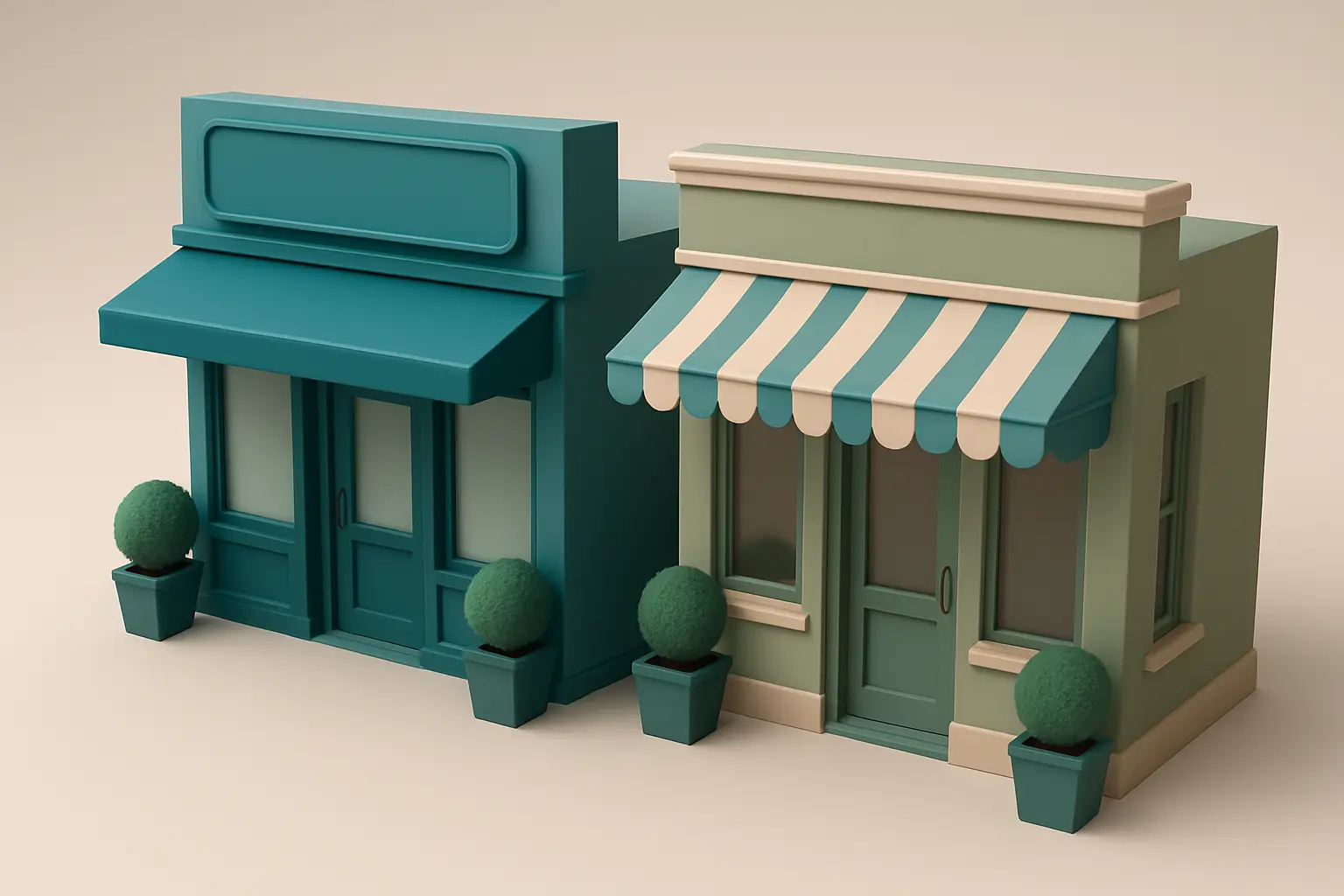
Website Redesign vs Website Refresh: Which Is Right for Your Business?
When considering how to boost your online presence, the question of website redesign vs website refresh is essential. Both approaches can help your business stay relevant, improve user experience, and drive results—but which is the right choice for your specific needs?
In this article:
- Key takeaways
- Understanding Website Redesign and Website Refresh
- Comparative Overview: Website Redesign vs Website Refresh
- Pros and Cons of Website Redesign and Website Refresh
- How to Decide: Choosing the Best Approach for Your Business
- Frequently Asked Questions
- Conclusion
This article will help you understand the difference between a full website redesign and a website refresh, comparing their benefits and challenges. With insights from Devizzo, a digital agency offering integrated solutions for companies of all sizes, you’ll discover how tailored web services—ranging from custom site creation to ongoing maintenance—can support your digital goals. By the end, you’ll have a clear idea of which approach best fits your business and how to move forward.
Key takeaways
- A website redesign involves a comprehensive overhaul, while a refresh updates specific elements for improved performance.
- Choosing between redesign and refresh depends on your business goals, budget, and current website condition.
- Devizzo offers integrated digital solutions to help businesses determine and implement the best approach.
Understanding Website Redesign and Website Refresh
Understanding the distinction between a website redesign and a website refresh is essential when planning how to improve your online presence. Both terms are often used interchangeably, but they refer to different approaches with unique scopes, triggers, and business implications.
Website Redesign: A Comprehensive Overhaul
A website redesign is a fundamental overhaul of your entire website. This process typically involves rethinking the structure, visuals, user experience, and often the underlying technology. Redesigns are pursued when a website’s design, functionality, or technology has become outdated, when rebranding is necessary, or when user needs have shifted significantly.
- Triggers: Major drop in conversions, outdated technology, rebranding, or poor mobile usability.
- Scope: New layout, navigation, design system, content strategy, and sometimes migration to a new platform.
- Example: An e-commerce company looking to move from a basic catalog site to a fully integrated online shop with payment gateways and AI-powered product descriptions could benefit from a complete redesign on a platform like the one offered by Devizzo.
Website Refresh: Targeted Updates
A website refresh is a less intensive approach, focusing on updating specific elements rather than rebuilding from scratch. Refreshes may involve new color schemes, updated imagery, minor layout adjustments, and content tweaks. The goal is to keep the website current and engaging without significant structural changes.
- Triggers: Outdated visuals, new product launches, minor UX issues, or the need to reflect recent business updates.
- Scope: Updating graphics, refining typography, adjusting CTAs, and optimizing for speed or SEO.
- Example: A marketing agency client that recently expanded its service offerings might opt to refresh its website to highlight new packages, relying on Devizzo’s modular solutions for quick and seamless updates.
| Aspect | Website Redesign | Website Refresh |
|---|---|---|
| Scope | Complete overhaul of structure, design, and functionality | Updates to existing design elements and content |
| Typical Triggers | Rebranding, outdated tech, major UX issues | Visual updates, minor UX improvements, new offerings |
| Business Scenarios | Expanding to e-commerce, changing branding, platform migration | Seasonal campaigns, content updates, minor feature additions |
| Integration with Digital Solutions | New custom modules, platform migration, integrated marketing tools | Quick module updates, improved SEO, refreshed content |
For businesses seeking integrated digital solutions under one roof, like those provided by Devizzo, understanding these differences helps determine whether a full website overhaul or a targeted update is the most effective way to improve website design and results. To explore in-depth scenarios for when a redesign is truly needed, see When to Redesign Website: 7 Key Signs for Success.
Comparative Overview: Website Redesign vs Website Refresh
When comparing website redesign vs website refresh, it’s essential to understand their practical differences in terms of investment, business fit, and impact. Below is a side-by-side table that clearly outlines how a refresh, a redesign, and a full website overhaul compare across key factors:
| Approach | Cost | Timeline | Impact | Business Fit |
|---|---|---|---|---|
| Website Refresh | Low to Moderate | 1–3 weeks | Minor updates to visuals and content. Incremental improvements in performance and SEO. | Suitable for businesses with a solid website structure needing design or content updates. |
| Website Redesign | Moderate to High | 1–2 months | Significant changes to layout, UX, and technical SEO. Noticeable boost in user experience and conversions. | Ideal for companies aiming to modernize or reposition their brand, improve website design, and enhance user engagement. |
| Full Website Overhaul | High | 2–4 months | Complete rebuild with new architecture, integrations, and features. Maximal SEO and performance reset. | Best for businesses facing outdated tech, rebranding, or rapid growth requirements. |
A website refresh typically focuses on updating visuals, improving copy, and making minor technical or SEO tweaks. This approach is fast and cost-effective, minimizing downtime and risk. Devizzo’s modular platform enables easy refreshes, letting you update website elements like banners, product descriptions, or color schemes without disrupting the overall structure.
A website redesign goes deeper. It may involve restructuring navigation, introducing new features, or overhauling the design system. This process impacts performance more significantly: a fresh design can reduce bounce rates and improve accessibility, while technical SEO improvements can boost rankings. Devizzo’s custom web design services offer clickable prototypes and tailored modules, making it easier for businesses to visualize and implement impactful changes.
A full website overhaul is a comprehensive rebuild—ideal for businesses needing new integrations, advanced features, or a shift in their core digital strategy. While this demands more resources, it provides the greatest long-term gains in scalability, security, and SEO. For a closer look at when a full rebuild might be better than a redesign, see Website Redesign vs New Website.
Each approach also influences ongoing SEO and user experience. For example, a refresh may only slightly improve performance, while a redesign—especially one backed by Devizzo’s integrated solutions—can deliver measurable gains in speed, mobile usability, and organic visibility. Choosing the right path depends on your business goals, current website health, and growth plans.
Pros and Cons of Website Redesign and Website Refresh

| Criteria | Website Redesign | Website Refresh |
|---|---|---|
| Investment | Higher upfront costs due to complete overhaul of structure, design, and often technology stack. | Lower initial cost; focuses on updating visuals, content, or minor features. |
| Risk Level | Involves more risk: downtime, SEO impact, user adaptation challenges. | Minimal risk; changes are incremental and usually don’t disrupt user experience. |
| Potential Payoff | Can dramatically improve UX, conversions, and brand perception—especially effective for e-commerce and rebranding. | Quick wins in engagement and usability, but less transformative for underlying issues. |
| Best for | Businesses seeking major growth, replatforming, or a strategic shift (e.g., launching new products, entering new markets). | Brands needing to stay visually current, update messaging, or address minor UX issues. |
| Timeline | Longer—can take months, depending on scope and integrations. | Faster—days to weeks, as changes are targeted. |
Choosing between a website redesign and a website refresh depends largely on your business objectives and digital maturity. For example, if your company is shifting its market focus or launching a new e-commerce catalog, a redesign—such as the ones Devizzo delivers with custom modules and integrated platforms—offers the flexibility to rethink architecture, user journeys, and branding from scratch. This strategic approach is especially powerful for e-commerce sellers who need a robust, scalable platform to support growth and conversion optimization.
On the other hand, a website refresh is ideal if your site’s foundation is solid but you need to update website visuals, improve website design for branding consistency, or enhance content for SEO performance. Regular updates—like refreshing product images, calls-to-action, or minor UI tweaks—can keep your digital presence aligned with trends, which is essential for businesses wanting to remain competitive without major disruption. For instance, simply ensuring your site is mobile-friendly, as outlined in Mobile Friendly Website 2026, can be addressed effectively through a refresh.
It’s important to note that both approaches benefit from ongoing maintenance and support. With Devizzo’s comprehensive service model—including hosting, technical SEO, and continuous monitoring—businesses can safeguard their investment whether opting for a refresh or a full website overhaul. The availability of integrated solutions under one roof minimizes risks and ensures that updates, whether minor or major, are implemented efficiently and securely.
How to Decide: Choosing the Best Approach for Your Business
Determining whether your business needs a website redesign or a website refresh depends on several key factors. The decision impacts not only how your site looks, but also how it functions, how users interact with it, and how well it supports your business goals. As a digital agency offering integrated web design, development, and ongoing support, Devizzo emphasizes the importance of a strategic approach tailored to your unique needs.
Key Criteria for Choosing Between Redesign and Refresh
| Criteria | Website Refresh | Website Redesign |
|---|---|---|
| Current Website Performance | If your site performs well technically but feels outdated visually or in content | If your site is slow, unresponsive, or has structural issues impacting performance |
| Business Goals | Minor updates to support new campaigns, products, or branding | Major changes in business direction, target audience, or product/service offerings |
| Budget & Timeline | Lower cost, faster implementation | Higher investment, more time required |
| SEO & Technical Health | Good SEO structure; only minor improvements needed | Significant SEO or technical issues requiring a full overhaul |
| Security | Basic security updates or content adjustments | Outdated frameworks or vulnerabilities needing complete modernization |
| User Experience (UX) | Minor tweaks or updates for better usability | Poor navigation, outdated UX patterns, or negative user feedback |
Expert consultation is essential when weighing these options. An experienced agency can audit your current site, identify pain points, and recommend whether a refresh will suffice or if a comprehensive website overhaul is needed. For example, if your online store’s navigation is confusing and conversion rates are dropping, a full redesign with a modern e-commerce platform—like those developed by Devizzo—may deliver the best return on investment.
It's also important to consider security and ongoing support, especially for growing businesses. Regular updates are vital, but if your site relies on older platforms, a redesign may be necessary to implement essential practices. For actionable advice on this, see Website Security Small Business.
If you’re still unsure, Devizzo provides a comprehensive assessment and can guide you through the decision-making process, ensuring your website not only looks great but is secure, optimized, and ready to grow with your business. Discover the benefits of a tailored approach to improve website design and performance by visiting devizzo.com.
Frequently Asked Questions
What is the difference between a website redesign and a website refresh?
A website redesign involves a complete overhaul of your site’s structure, visuals, and functionality, often using new technology or platforms. A website refresh, on the other hand, focuses on updating elements like colors, images, or content while keeping the core structure intact. Devizzo helps businesses choose the right approach based on their goals and current digital assets.
How do I know if my business needs a full website overhaul?
Consider a full website overhaul if your current site is outdated, difficult to navigate, fails to support new business goals, or is not compatible with modern devices. If your platform is limiting growth or user experience is poor, a redesign via Devizzo’s tailored solutions may be necessary.
Will a website refresh improve my site’s SEO and performance?
Refreshing your website can enhance SEO and performance by updating content, optimizing images, and improving technical elements. However, for significant SEO gains or to address deep-rooted issues, a more comprehensive redesign—such as those offered by Devizzo—may be required.
How long does it take to redesign or refresh a website?
The time required depends on the project scope. A refresh typically takes a few days to a few weeks, while a full redesign may take several weeks to a few months. With Devizzo’s modular platforms, timelines are optimized for both quick updates and more complex overhauls.
Is it better to update website design gradually or all at once?
Gradual updates reduce risk and allow for continuous improvement, while a complete redesign can deliver a cohesive user experience faster. The best approach depends on your business needs and available resources; Devizzo can advise on the most effective strategy for your situation.
What are the potential risks of a website redesign vs website refresh?
A redesign carries risks like migration errors and temporary SEO drops, but offers long-term benefits. A refresh is less disruptive but may not resolve underlying issues. Working with an experienced digital agency like Devizzo minimizes these risks through integrated planning and support.
Ready to enhance your online presence?
Whether your business needs a full redesign or a targeted refresh, Devizzo delivers integrated digital solutions tailored to your goals. Discover more about transforming your website at Devizzo.
Conclusion
Choosing between a website redesign and a website refresh depends on your business goals, current website performance, and the digital journey you want to offer your audience. For companies looking for a significant transformation—whether launching a new e-commerce store, rethinking user experience, or integrating advanced features—a full redesign may be the right path. On the other hand, a website refresh can efficiently address design updates, technical improvements, or content changes without disrupting your core structure. With Devizzo’s unique modular solutions and all-in-one digital services, businesses of any size can find a tailored approach that aligns with their needs and growth plans.
If you are considering the next step for your website, explore how Devizzo’s integrated web development, design, and maintenance services can help you achieve measurable digital impact. Learn more and start your project at https://devizzo.com.
Related articles
All-in-One Digital Agency Benefits vs. Multiple Providers
All-in-One Digital Agency Benefits vs. Multiple Providers: Which Approach Fits Your Business?Choosing between an all-in-one digital agency and multiple specialized providers can shape the success of your digital projects. Understanding all-in-one digital agency benefits—like streamlined communication, faster delivery, and unified strategy—can help business owners decide which model fits their needs best. This article will guide you through the pros and cons of each approach, helping you identify what works for your company. In this article: Key takeaways What Are All-in-One Digital Agencies and How Do They Work? Agency vs Freelancers vs Multiple Specialized Providers: Comparative Overview Key All-in-One Digital Agency Benefits for Modern Businesses Choosing the Right Approach: Who Should Opt for All-in-One Digital Services? Frequently Asked Questions Conclusion If you’re a business owner in Serbia or the wider region, considering comprehensive solutions such as those offered by Devizzo can transform your digital presence. From custom websites and e-commerce platforms to ongoing hosting, maintenance, and AI-powered automation, discover how a single team managing everything may be the key to efficient digital growth. Keep reading to see which approach aligns with your business goals. Key takeaways All-in-one digital agencies offer comprehensive, streamlined solutions that simplify project management and communication. Integrated digital services ensure consistency, faster delivery, and easier scalability for growing businesses. Choosing a single partner like Devizzo is especially valuable for businesses seeking complete digital transformation and ongoing support.What Are All-in-One Digital Agencies and How Do They Work? All-in-one digital agencies are companies that deliver a full spectrum of digital services under one roof, providing businesses with a single point of contact for their entire online presence. Instead of sourcing web development, digital marketing, SEO, hosting, and support from different providers, you collaborate with one team that manages the process end-to-end. Devizzo is a practical example of this model: based in Serbia, it specializes in website creation, online store development, custom application programming, digital marketing, SEO optimization, hosting, and ongoing maintenance—all using proprietary platforms and AI tools to streamline delivery and enhance results. Integrated digital solutions mean that businesses can launch or transform their digital operations without juggling multiple vendors. For instance, if your company needs a new e-commerce website, Devizzo can handle everything from design and content (eliminating the need for you to prepare materials) to securing hosting, implementing payment systems, enabling AI-powered product descriptions, and managing ongoing security and updates. This is particularly valuable for business owners and teams who need a reliable partner to guide and execute their digital strategy without constant coordination between disparate providers. One stop digital services also simplify project management and communication. When all services are handled by a single agency, there’s no confusion about responsibility—your project manager oversees design, development, content, marketing, and technical support. This structure reduces delays, miscommunication, and scope gaps that often arise when using multiple specialized agencies or freelancers. The result is a faster, more cohesive project lifecycle and a digital solution that’s easier to maintain and scale as your needs evolve. Aspect All-in-One Agency (Devizzo) Multiple Providers/Freelancers Project Coordination Single point of contact manages all services Business owner coordinates between providers Service Integration Seamless integration of web, marketing, and support Potential compatibility and communication issues Speed & Efficiency Quicker delivery via proprietary platforms and AI tools Slower due to fragmented workflows and handovers Accountability Clear responsibility for outcomes and support Responsibility often split or unclearBusinesses seeking a comprehensive, integrated digital solution—such as a new website, online shop, or custom application—can benefit greatly from the all-in-one agency approach. To learn more about how this model works in practice, visit Devizzo and discover how their one stop digital services can support your business growth and digital transformation. Agency vs Freelancers vs Multiple Specialized Providers: Comparative OverviewWhen deciding how to approach your next digital project—whether it’s a new website, an e-commerce platform, or a tailored application—understanding the differences between all-in-one digital agencies, freelancers, and multiple specialized providers is crucial. Each model comes with its own set of trade-offs in terms of coordination, cost, flexibility, and accountability. The following table provides a direct comparison: Model Coordination Cost Flexibility Accountability Best Fit For All-in-One Digital Agency Single point of contact, streamlined communication Often mid-range; bundled services can save money overall High—broad range of services, quick pivots with in-house tools High—agency is fully responsible for project delivery and support Businesses seeking integrated digital solutions and end-to-end support Freelancers Requires direct management of individuals Potentially lowest for small projects Very high for niche or small-scale tasks Varies—responsibility is fragmented, risk of delays if one freelancer is unavailable Startups, micro-businesses, or those with tight budgets and simple needs Multiple Specialized Providers Complex—requires coordinating several companies/teams Can escalate due to overlapping scopes and management overhead High specialization but less agility for cross-domain tasks Medium—difficult to assign clear responsibility if issues arise Larger enterprises with complex, highly specialized requirementsAll-in-one digital agencies—such as those offering one stop digital services for web development, e-commerce, and digital marketing—are ideal when you value simplicity, speed, and accountability. For instance, Devizzo delivers integrated digital solutions by combining website creation, online store development, and maintenance, all powered by proprietary platforms and AI tools. This reduces the need for clients to coordinate between multiple vendors or provide content themselves, freeing up internal resources and ensuring consistent quality. On the other hand, freelancers can be cost-effective for highly specific or small-scale projects, but often lack the structure and reliability needed for long-term or complex work. If you choose multiple specialized providers, expect to invest significant time in project management and risk miscommunication between teams—though you may benefit from deep expertise in certain niches. For those considering a new website or digital transformation, the choice between these models should align with your business’s capacity for coordination, budget constraints, and appetite for innovation. Integrated agencies like Devizzo are especially well-suited for companies looking for a turnkey approach, where every phase—design, development, hosting, and ongoing support—is managed under one roof for maximum efficiency. Key All-in-One Digital Agency Benefits for Modern BusinessesChoosing an all-in-one digital agency can be a game-changer for businesses looking for integrated digital solutions. When a single team handles web development, e-commerce, app creation, digital marketing, hosting, and ongoing maintenance, you benefit from streamlined communication and a unified vision. For example, agencies like Devizzo leverage their own platforms and AI-powered tools to automate processes, personalize features, and deliver updates seamlessly—something rarely possible when coordinating multiple specialized providers. Speed, quality, and consistency are key advantages. With one-stop digital services, there’s no need to juggle multiple vendors or wait for handoffs between designers, developers, and marketers. Proprietary solutions, such as Devizzo’s Shopakt platform for online stores, allow for rapid deployment, easy scaling, and real-time updates. AI-driven content generation and product descriptions, paired with integrated payment and warehouse systems, further automate workflows and reduce manual overhead. For e-commerce brands, SMEs, and larger enterprises, having a single digital partner is especially valuable during digital transformation. A unified approach enables faster adaptation to market changes, proactive security updates, and consistent branding across all digital touchpoints. Plus, agencies familiar with your business can anticipate needs and propose solutions that would be missed by disconnected providers or freelancers. Approach Delivery Speed Quality Control Customization & Automation Ongoing Support All-in-One Digital Agency Fast (integrated team, automated tools) Consistent (single workflow & standards) High (proprietary platforms, AI features) Centralized, proactive Multiple Specialized Providers Medium/Slow (handoffs, coordination) Variable (different standards, risk of misalignment) Limited (integration challenges) Fragmented, reactive Freelancers Variable (depends on availability) Inconsistent (individual approaches) Low/Medium (off-the-shelf solutions) Unreliable, ad hocTo explore how to select the best approach for your business, check out the practical guide Choose Web Development Agency for actionable insights. Ultimately, an all-in-one digital agency like Devizzo can deliver not just faster project launches and smoother updates, but a level of integration and proactive support that helps your business grow efficiently and with less risk. Choosing the Right Approach: Who Should Opt for All-in-One Digital Services? When it comes to choosing between all-in-one digital agencies and multiple specialized providers, the right approach depends on several key factors related to your business profile and goals. Assessing your own needs is essential before committing to either model. Below is a quick comparison to help clarify where an all-in-one solution, like what Devizzo offers, fits best: Criteria All-in-One Digital Agency Multiple Specialized Providers / Freelancers Business Size Small, medium, and large businesses seeking simplicity and unified management Enterprises with in-house project managers or highly niche needs Project Complexity Integrated projects needing website, store, app, SEO, and hosting under one roof Single-scope or highly fragmented projects In-House Resources Limited technical/marketing resources, prefer external expertise Strong in-house teams needing only specific external skills Growth Plans Businesses planning for scalable, long-term digital growth and easy upgrades One-off or experimental projects with minimal long-term commitmentWhen an All-in-One Agency Like Devizzo Is the Optimal Choice New or growing e-commerce businesses that need a full online store setup—from web design to integrated payment and inventory systems. Devizzo’s proprietary Shopakt platform, with built-in AI tools and B2B features, is tailored for such needs. Companies undergoing digital transformation—whether launching a new website or seeking unified digital marketing, hosting, and maintenance. The “key-in-hand” approach eliminates the need to juggle multiple vendors and ensures consistency. Teams lacking in-house technical or marketing expertise who want seamless collaboration and a single point of accountability for everything from SEO to security updates. For example, a business facing slow website loading can benefit from a consolidated approach, as detailed in Improve Website Loading Speed.Making the Transition: Practical Tips Start by mapping your digital needs: Do you require just a website, or an integrated solution covering apps, e-commerce, and marketing? Evaluate current pain points—such as communication gaps between providers or technical bottlenecks—that an all-in-one partner could solve. Shortlist agencies with proprietary technology and proven workflows, like Devizzo, for faster delivery and easier long-term scaling. Plan for regular, ongoing support: All-in-one agencies often provide dedicated maintenance and security, saving you time and risk.For business owners ready to streamline their digital presence and accelerate growth, partnering with an all-in-one agency is often the most strategic move. Discover how Devizzo can deliver integrated digital solutions that fit your needs at https://devizzo.com. Frequently Asked Questions What is an all-in-one digital agency and how does it differ from hiring multiple providers? An all-in-one digital agency offers a complete range of services—such as website development, e-commerce, app creation, digital marketing, SEO, hosting, and maintenance—under one roof. In contrast, hiring multiple providers means managing separate teams or freelancers for each task, which can lead to communication gaps and less cohesive results. Are all-in-one digital agencies more cost-effective than freelancers or multiple agencies? All-in-one agencies can be more cost-effective because they streamline processes and reduce the need for separate contracts, project management, and integration efforts. For example, Devizzo’s bundled approach minimizes overhead and allows for faster delivery using proprietary platforms and AI tools, potentially lowering long-term costs compared to coordinating several specialists. Can I get both website development and digital marketing from the same agency? Yes, agencies like Devizzo provide both website development—including e-commerce and custom apps—and digital marketing services. This integrated approach ensures that your site, store, or app is optimized for search engines and ready for targeted campaigns from the start, making it easier to achieve business goals with a single partner. What are the risks of working with several specialized providers instead of one agency? Working with multiple providers can cause delays, inconsistent quality, and communication issues. Each specialist may use different platforms or strategies, making integration difficult. In contrast, an all-in-one agency manages all aspects cohesively, reducing risks of misaligned objectives and technical incompatibilities. How do integrated digital solutions benefit e-commerce businesses? Integrated solutions, such as those offered by Devizzo, streamline e-commerce operations by combining store development, AI product descriptions, payment integrations, inventory management, and digital marketing. This leads to faster store launches, seamless user experiences, and simplified management, helping businesses adapt quickly and scale efficiently. What should I consider when choosing between an all-in-one agency and freelancers? Consider project complexity, need for coordination, and long-term support. All-in-one agencies like Devizzo are ideal for businesses seeking turnkey solutions, reliable maintenance, and unified strategy. Freelancers may suit simpler tasks but often lack the resources and integrated tools needed for scalable, ongoing digital growth. Ready to streamline your digital presence? If you want a single partner for web development, e-commerce, apps, and marketing—with the speed and flexibility of proprietary platforms and AI—explore what Devizzo can do for your business. Learn more at devizzo.com. Conclusion Choosing between an all-in-one digital agency and multiple specialized providers depends on your business needs, resources, and growth plans. For companies seeking streamlined collaboration, faster project delivery, and a single point of accountability, modern all-in-one agencies offer a significant edge. Agencies like Devizzo bring together web development, e-commerce solutions, custom applications, digital marketing, and ongoing support—leveraging proprietary platforms and AI tools for tailored, efficient outcomes. This approach can be especially valuable for businesses wanting comprehensive service and adaptability without the complexity of managing multiple vendors. If your company is ready to simplify digital projects and gain a trusted partner for every stage—site creation, online store development, or digital transformation—discover how Devizzo can support your goals. Explore full-service solutions at devizzo.com.
Devizzo
20 September 2026

Automatic product descriptions: AI tools for a better webshop catalog
How automatic product descriptions and an AI catalog can improve your webshopPhoto: Anna Shvets / Pexels Automatic product descriptions save time, reduce costs, and increase sales in a webshop. If you want to know how to implement them quickly and what you need for success, this guide is for you.You will learn which data to prepare, how to choose the right AI tool, and how to connect an AI catalog with your platform. You will follow clear steps for automating descriptions and optimizing content, with useful advice for maintaining and improving the webshop. In short Automatic product descriptions and an AI catalog save time and make webshop management easier. Quality input data and the right AI tool are the key to successful automation. SEO optimization and regular review of descriptions matter for better results and customer satisfaction.What you need for automated product descriptions Photo: Tima Miroshnichenko / PexelsFor successful generation of automatic product descriptions and use of an AI catalog, prepare the following: 1. Obtain the right tools and platforms Research AI tools specialized in product-description generation — for example, ContentMiner, Jasper, Copy.ai, or Writesonic. Choose a solution that connects easily with your webshop platform (for example, REST API integration or plug-in support for WooCommerce, Shopify, Magento, and similar). Check whether the AI tool supports language localization and SEO optimization for your market.When the step is successful: You have the chosen AI tool available and access to the admin panel for settings. 2. Prepare product data Provide the following data for each product: product name core attributes and specifications category and brand images at adequate resolution availability information and variants (size, color, packaging) Prepare the data in CSV, Excel, or JSON format for easier import and processing. Check accuracy and consistency — missing or incorrect data reduces the quality of generated descriptions.When the step is successful: All products have complete data ready for import into the AI catalog. 3. Set basic requirements for integration with the webshop system Check the documentation of your webshop platform (for example, WooCommerce, Shopify, Magento) for supported integration methods. Test the API connection or install the appropriate plug-in for connecting with the AI tool. Enable automatic import and data synchronization between the webshop and the AI catalog.When the step is successful: The webshop and the AI catalog exchange data without manual intervention. If you want a solution that automatically turns raw data into sales copy, SEO, and attributes, try ContentMiner — all within a single AI catalog with support for branding and migration. Step 1: Prepare product data for description generation Prepare product data in an organized, precise way so you can ensure quality description generation. Follow these steps: Structure the data: Create a centralized table or database (for example, Excel, Google Sheets, CSV, ERP). Always include the following columns: product name, key attributes (material, dimensions, colors), images (URL or file name), SKUs, availability, brand. Fill in all relevant information for each product. If some data is missing, mark it for later completion. Ensure accuracy and completeness: Check that all entered data is current and accurate — incorrect data leads to a wrong or inadequate description. Do not skip images — a visual reference is key for the AI catalog during description generation and optimization of automated webshop content. Automate data collection and cleaning: Use tools for import from ERP systems or CSV files to avoid manual entry. Apply automatic scripts to detect duplicates, empty fields, or wrong formats (for example, validation of numbers and images). Periodically run automatic updates so your database stays current.When you finish this step, you will see a clean, uniform table or database with all the data needed for description generation. That makes work easier for every AI catalog tool and prevents later problems with inaccurate automated webshop content. Products with well-prepared data, such as those processed through the ContentMiner tool, receive quality descriptions and attributes that actually sell, substantially faster and more precisely. Remember: From the customer’s click to a closed book — no gaps in the process. Data quality is your starting point for every next automated step. Step 2: Choose an AI tool for automatic product descriptions Choose an AI tool for automatic product descriptions by following these steps: Research the best-known AI description generators: Check popular options such as ChatGPT, Jasper, and Writesonic. Analyze their specific capabilities for description generation, supported languages, and how easily they integrate with webshop platforms. Consider ContentMiner if you want a solution that automatically turns raw data into optimized sales descriptions and attributes, with catalog migration and API integration. Compare tool features and prices: Tool Languages SEO support Webshop integration Price ChatGPT Multilingual Basic Additional integration required Paid and free plans Jasper Multilingual Advanced API and plugins Paid plans Writesonic Multilingual Built-in SEO tools API integration Paid plans ContentMiner Multilingual Automatic SEO REST API, catalog migration On request Focus on key criteria: Check whether the AI tool allows tone customization (brand voice) and bulk description generation. Ensure support for catalog updates and automatic synchronization. Pay attention to API integration availability and how easily it connects with your webshop platform. Test customer support and the quality of generated descriptions on a demo version. Choose a tool and connect it with the webshop: Follow the selected tool’s instructions for integration with your e-commerce platform. Set the basic parameters for product-description generation. For any questions and additional integrations, visit the section Everything your shop needs.When you successfully complete this step, you will see generated product descriptions on the webshop screen, ready for publication or further optimization. Step 3: Set up the AI catalog and connect it with the webshop platform Photo: Hanna Pad / PexelsSet up the AI catalog and connect it with the webshop platform by following these steps: Configure the AI catalog for automatic description generation Enter raw product data (name, description, images, attributes) into the chosen AI catalog. If you use a solution such as ContentMiner, enter or migrate the catalog data through the REST API or file upload. Set rules for brand voice and description formatting Choose languages, SEO parameters, and generation styles Connect the AI catalog with the webshop platform Choose the integration for your e-commerce platform (Shopify, WooCommerce, Magento). Go to the external-integrations section, where you can connect the catalog without a developer. Use API keys or plugins for synchronization Follow the instructions for authorization and data mapping For additional integrations, see: Everything your business already uses — connects here. Automate catalog and content synchronization Set the update frequency (for example, automatic description generation on every new product entry, or periodic updates of existing content). Activate notifications for successful generation and synchronization Check that new descriptions appear on the webshop immediatelyWhen this step is complete, the user sees the following: All products in the catalog automatically have generated descriptions, optimized for SEO and sales New changes or additions in the catalog appear automatically on the webshop platform without manual entry The webshop admin shows synchronization status and a history of content updatesStep 4: Adapt and optimize automated webshop content Optimize automatically generated product descriptions for maximum impact using the following steps: SEO optimization of generated product descriptions Identify keywords relevant to each product or category (for example, “automatic product descriptions”, “AI catalog”). Check that the keyword is integrated in the title, first paragraph, and meta description. Add secondary keywords and synonyms in the text for better search coverage. Add internal links to related products and categories. Test description length — 150–300 words per product is optimal. Check description readability — use short sentences and avoid surplus phrases. Manual adaptations of AI descriptions for specific products/categories Review automatically generated descriptions and identify products that need a personalized tone (for example, branded items or products with a special purpose). Supplement the AI description with information specific to your business — references to warranty, returns, or location. Add storytelling elements or a call to action where relevant. Use the flexibility — quickly adapt the look and layout of descriptions without a developer using Your site, your look. No developer required. Performance tracking and continuous description improvement Set basic KPIs: product views, conversion rate, average time on page, search position. Use built-in analytics tools or integrations with tracking platforms (for example, Google Analytics). Regularly analyze the most successful descriptions and identify shared characteristics. Test A/B variants of descriptions for key products and optimize according to the results. Automatically update weaker descriptions using the AI catalog (A catalog that writes itself.).When this step is complete, the user sees improved, relevant, SEO-optimized product descriptions that increase webshop visibility and sales, while every description can still be personalized or refreshed easily without technical support. Step 5: Automate generation and updating of product descriptions Set up automation for generating and updating product descriptions so your webshop always has relevant, commercial content. Follow these steps: Create rules for periodic generation and refresh of descriptions: Decide how often you want automatic product descriptions generated or refreshed (for example, every 7 days or on every product-attribute change). In the AI catalog, set triggers for automatic generation, such as adding a new product or a stock change. For advanced needs, use REST API integration so the connection with your webshop platform is fully automatic. Monitor errors and the quality of automatically generated descriptions: Set up automatic notifications in case of failed generation or suspicious content (for example, text that is too short, keyword stuffing). Review quality reports on generated descriptions and use them to further adjust rules and prompts. Regularly check a sample of descriptions manually, especially for new product models or seasonal collections. Scale the process to a larger number of products or more webshops: In the AI catalog, activate batch generation for an entire category or several stores at once. Use filters for selective updates (for example, only products without descriptions, or products with old descriptions). Connect additional webshops through multi-store integration or the API.When this step is complete, you will see that description generation, updates, and quality control happen without manual work. New and changed products will automatically receive relevant, commercial, SEO-optimized descriptions, and you will have detailed reports on every step of the process. For the most efficient automation, use A catalog that writes itself. — it enables rules, periodic jobs, batch generation, and integration with multiple webshops without additional development. Frequently asked questions Which AI tools are best for automatic product descriptions? The most popular AI tools for automatic product-description generation are ChatGPT, Jasper, Writesonic, Copy.ai, and Hypotenuse. These tools offer integrations with webshop platforms and the ability to adapt tone, style, and language to your brand needs. Do automatically generated descriptions affect the webshop’s SEO position? If descriptions are unique, relevant, and optimized for keywords, AI-generated content can positively affect SEO. Poorly generated, generic, or duplicated descriptions can harm search ranking. How do I prevent content duplication when generating descriptions? Use AI tools that offer uniqueness control and plagiarism checking. Regularly check generated descriptions with specialized tools (for example, Copyscape) and adapt them to the specifics of each product. How safe is it to use an AI catalog to update a webshop? An AI catalog is safe if you use proven tools and regularly back up data. Before every automated change, testing and a manual check of important products is recommended so you avoid errors. Can description automation be used for multilingual stores? Most modern AI tools support multiple languages and can generate quality descriptions for different markets. You should additionally check translations or engage an editor for key descriptions to ensure precision and localization. How do I check the quality of automated product descriptions? Review randomly generated descriptions for clarity, accuracy, and relevance. Use SEO tools to analyze keywords and involve users or staff for feedback so you maintain a high quality standard. Conclusion Implementing automatic product descriptions and an AI catalog can significantly improve the efficiency and quality of your webshop, enabling faster content updates and a better customer experience. Using modern AI tools, your catalog becomes dynamic and always relevant, which can contribute to higher sales and a more professional market presence. If you want to improve your webshop, the next step is to assess the readiness of your data and explore available AI tools that match your needs. Start with small changes and track results — content automation can be your competitive advantage.
Devizzo
23 July 2026
Custom Web Applications vs Off the Shelf: Full Comparison
Custom Web Applications vs Off-the-Shelf Solutions: Which is Better for Your Business?When deciding between custom web applications vs off the shelf solutions, the right choice can significantly impact your business’s digital presence and future growth. This article will help you understand the main differences, advantages, and drawbacks of both approaches, so you can make an informed decision tailored to your needs. In this article: Key takeaways Understanding Custom Web Applications and Off-the-Shelf Solutions Custom Web Applications: Advantages and Drawbacks Off-the-Shelf Solutions: Pros and Cons Custom Web Applications vs Off-the-Shelf: Comparative Overview Frequently Asked Questions ConclusionAs a digital agency offering web development, e-commerce, and application solutions, Devizzo specializes in creating customized platforms and modules that integrate easily with your existing systems. Here, you’ll discover how a tailored approach compares to ready-made products, and which option aligns best with your company’s goals, workflow, and ongoing support requirements. Key takeaways Custom web applications offer unmatched flexibility and scalability for unique business needs. Off-the-shelf solutions provide faster deployment and lower upfront costs, but may lack essential customization. Choosing between custom and off-the-shelf depends on long-term goals, required features, and existing infrastructure. Devizzo’s tailored digital solutions combine the best of both approaches, with customizable platforms, ongoing support, and transparent pricing.Understanding Custom Web Applications and Off-the-Shelf SolutionsThe choice between custom web applications and off-the-shelf solutions is fundamental when selecting the right digital tools for your business. A custom web application is software specifically designed and developed to address your unique business requirements. This approach offers tailored features, integrations, and workflows—such as a web portal that automates your internal operations or an e-commerce platform with unique product configurators. In contrast, off-the-shelf solutions are ready-made products, like Shopify or WordPress, designed for mass adoption with standard features and limited customization. Typical use cases for each approach vary based on business complexity and goals: Custom applications are ideal for businesses with specific processes, regulatory requirements, or integration needs that generic software cannot accommodate. For example, a retailer needing advanced B2B management or a manufacturing firm requiring a custom workflow would benefit from bespoke software. Off-the-shelf solutions fit businesses that need rapid deployment and can adapt their processes to available features—such as launching a simple online store or a basic company website.Digital agencies like Devizzo often bridge these approaches by leveraging proprietary, modular platforms that combine the flexibility of custom development with the speed and reliability of proven, reusable components. For instance, Devizzo’s platforms allow for customizable modules—from e-commerce engines to AI-generated content—enabling tailored solutions without starting from scratch. This is particularly valuable for organizations seeking both a unique digital presence and ongoing support, without the overhead of building and maintaining entirely bespoke software. Aspect Custom Web Applications Off-the-Shelf Solutions Hybrid Approach (e.g., Devizzo’s Modular Platforms) Development Time Longer (tailored to client) Immediate deployment Medium (customization on proven modules) Customization Unlimited (fully bespoke) Limited (preset features) High (modules adjusted per client) Cost Structure Higher initial investment Lower upfront, possible recurring fees Balanced (transparent pricing, scalable options) Maintenance & Support Depends on provider Standardized, but less flexible Continuous support and updates Integration with Existing Systems Custom integrations possible Limited, often extra cost Designed for integrationFor businesses exploring custom web applications vs off the shelf options, understanding the scope and flexibility of each model is essential. Digital agencies with their own adaptable platforms, such as Devizzo, can deliver solutions that balance speed, integration, and ongoing digital support—making them a compelling choice for companies with evolving or complex digital needs. Custom Web Applications: Advantages and Drawbacks Custom web applications offer a range of advantages that make them appealing for businesses seeking solutions precisely tailored to their unique needs. Unlike off-the-shelf products, custom app development allows for scalability as your business evolves, flexibility in design and functionality, and seamless integration with your existing systems. For example, a retail brand that requires both B2B and B2C e-commerce can benefit from a custom solution that unifies wholesale and retail management—without juggling multiple platforms or duplicating data. This is exactly the kind of tailored approach that agencies like Devizzo deliver, using their own adaptable modules to fit complex workflows and industry-specific requirements. Another key advantage of custom web applications is the potential for unique branding and user experience. Businesses are not limited by the constraints of generic templates or feature sets. Instead, they can work with a team that builds digital solutions to create a platform that aligns perfectly with their operational processes and business goals. Features can be prioritized, security can be enhanced, and future growth is planned from day one. However, custom solutions do come with certain challenges. The initial investment is typically higher compared to ready-made software, and development timelines are longer since every component is built to specification. Ongoing maintenance and updates are essential to ensure security and compatibility as technology evolves. Agencies like Devizzo address these issues with transparent project milestones, regular updates, and long-term support packages—so businesses are not left on their own after launch. Criteria Custom Web Applications Off-the-Shelf Solutions Scalability High—can grow and adapt as your business expands Limited—may require costly upgrades or replacements Integration Seamless with existing systems and processes May require workarounds or additional plugins Initial Investment Higher upfront, tailored to requirements Lower upfront, but less flexible Time to Launch Longer—custom development cycle Immediate or very fast deployment Ongoing Support Continuous service and updates from the provider Standardized, may lack dedicated supportFor businesses with unique operational flows or ambitious digital goals, the investment in bespoke software can mean a significant competitive edge. With Devizzo’s end-to-end offerings—including design, hosting, SEO, and continuous maintenance—organizations can focus on growth while their digital infrastructure evolves alongside them. Off-the-Shelf Solutions: Pros and Cons Off-the-shelf solutions remain a popular choice for businesses seeking to launch digital platforms quickly and with minimal investment. These ready-made applications offer several notable advantages, particularly for organizations with standard requirements and limited budgets. Key Advantages of Off-the-Shelf Solutions Lower Upfront Costs: Compared to custom app development, off-the-shelf software typically involves a one-time purchase or recurring subscription, making initial expenditures predictable and affordable. Rapid Deployment: Most off-the-shelf platforms can be set up in a matter of days, allowing you to get your website or online store live without lengthy development cycles. Widespread Community Support: Established products often have extensive documentation, user forums, and third-party plugins, making troubleshooting and minor enhancements easier.Common Limitations and Challenges Restricted Customization: While some theming and plugin options exist, off-the-shelf solutions rarely allow deep customization. Unique business processes or innovative features may be out of reach. Potential Integration Issues: Integrating with legacy systems, specialized logistics, or local payment gateways can be problematic if the off-the-shelf software doesn't support required APIs or data formats. Vendor Lock-In: Relying on a third-party provider means your business depends on their update cycles, terms of service, and continued product support.Off-the-Shelf vs. Tailored Platforms for E-Commerce When it comes to e-commerce, the choice between an off-the-shelf solution and a tailored platform like Shopakt can significantly impact your business's flexibility and growth potential. Off-the-shelf e-commerce systems may suffice for basic online sales, but as your operations expand, you may encounter limitations in automation, B2B features, or integration with accounting and logistics. In contrast, bespoke software built on proprietary modules—as offered by Devizzo—can address these complex demands and evolve with your brand. Criteria Off-the-Shelf Solutions Custom/Tailored Platforms (e.g., Shopakt) Initial Cost Low to moderate (subscription or license fee) Higher upfront, but tailored to needs Deployment Speed Immediate to a few days Phased rollout; timeline based on complexity Customization Limited (themes, plugins) Extensive (features, integrations, branding) Integration Options Standard, may be restrictive Custom integrations with business systems Ongoing Support Community-based, vendor updates Dedicated support, tailored maintenanceFor businesses weighing custom web applications vs off the shelf, it’s essential to align your choice with current needs and future ambitions. If you require a solution that can scale, integrate seamlessly, and reflect your unique workflows, consider exploring website development services that offer more than generic templates. Custom Web Applications vs Off-the-Shelf: Comparative OverviewWhen considering custom web applications vs off the shelf solutions, it is crucial to evaluate them across key business priorities. Below is a comparative overview that highlights the most relevant factors for decision-makers seeking either a tailored or ready-made digital platform. For businesses working with digital agencies such as Devizzo—which delivers both custom web app development and robust e-commerce platforms—these distinctions directly impact project outcomes and long-term ROI. Criteria Custom Web Applications Off-the-Shelf Solutions Initial Cost Higher upfront investment; tailored to your requirements Lower initial cost; subscription or license based Speed of Deployment Longer (weeks to months, depending on complexity) Immediate or very short setup period Scalability Fully scalable and adaptable as your business grows Limited; scaling often requires costly upgrades or migration Customization Unlimited; built to fit unique processes and branding Minimal; restricted to existing features and templates Long-Term Value High; reduces dependency on third parties and adapts to future needs Lower; potential for recurring costs and platform lock-in Support & Maintenance Ongoing, tailored support from your development partner Standardized support, often lacking deep customization assistanceWhich solution fits your business? Small businesses or startups with limited budgets and straightforward requirements often benefit from off-the-shelf platforms, especially when rapid launch is a priority. Growing brands, B2B companies, or enterprises with unique workflows, advanced e-commerce needs, or integration requirements usually achieve greater efficiency and differentiation with bespoke software. Companies that require features such as editing store appearance directly from the admin panel or seamless integration with existing systems should consider custom app development for maximum flexibility and future-proofing.If you are weighing custom web applications vs off the shelf for your next project, it is essential to align the solution with your business goals, industry specifics, and future growth plans. Explore Devizzo’s Online store development or reach out for a tailored approach that ensures your digital presence stands out and scales with your ambitions. Discover more at devizzo.com. Frequently Asked Questions What is the main difference between custom web applications and off-the-shelf solutions? Custom web applications are tailored to fit the specific needs, processes, and branding of a business, while off-the-shelf solutions offer standard features designed for a broader audience. Agencies like Devizzo create custom apps using proprietary platforms and modules, ensuring seamless integration and flexibility, unlike generic products with limited customization. When should a business choose custom app development over off-the-shelf software? Businesses should opt for custom app development when they require unique workflows, integrations, or advanced features not supported by ready-made software. For example, companies needing a bespoke e-commerce platform or specialized digital support benefit from custom solutions provided by agencies that offer personalized development and ongoing maintenance. Are custom web applications more secure than off-the-shelf solutions? Custom web applications can offer enhanced security because they are built with specific business needs in mind and are less prone to widespread attacks targeting popular off-the-shelf products. With dedicated support and regular updates, agencies like Devizzo help maintain high security standards through custom-built solutions. How long does it take to develop a bespoke software application? The development time for a custom software application depends on its complexity, required features, and integration needs. Typically, the process includes specification, phased delivery, and testing, all transparently defined by agencies with complete in-house services such as Devizzo, ensuring clear timelines from project start to launch. What are the hidden costs of off-the-shelf app solutions? Off-the-shelf software often incurs additional costs such as licensing fees, upgrades, add-on modules, and integration expenses. Businesses may also face higher maintenance or support charges, as well as costs related to adapting existing workflows to fit the software’s limitations, unlike tailored custom solutions. Can off-the-shelf solutions be integrated with existing business systems? Many off-the-shelf solutions offer limited integration capabilities, which may not fit complex or unique business environments. Custom development, using adaptable platforms and modules like those from Devizzo, allows seamless integration with current systems, ensuring the software works harmoniously within existing workflows. Ready to elevate your business with the right digital solution? Explore how a custom web application or e-commerce platform, tailored to your needs and supported by a single, reliable partner, can transform your operations. Visit Devizzo to find out more about the complete digital services available for your business. Conclusion Choosing between custom web applications and off-the-shelf solutions depends on the specific needs and long-term goals of your business. While ready-made options can offer a quick and affordable start, custom development ensures that your digital presence grows and adapts alongside your brand. For companies seeking tailored features, seamless integration with existing systems, and dedicated support, a partner like Devizzo—offering everything from bespoke web and e-commerce development to ongoing maintenance—can deliver lasting value and competitive advantage. If your business needs a modern website, a scalable online store, or a custom digital solution with continuous support, explore how Devizzo’s integrated services can help you achieve your goals. Learn more or request a consultation at devizzo.com.
Devizzo
4 September 2026