Modern Website Design 2026: Top Trends & Key Benefits (53)
Discover the key trends, features, and business benefits of modern website design in 2026. Stay ahead with expert insights on future-ready web solutions.
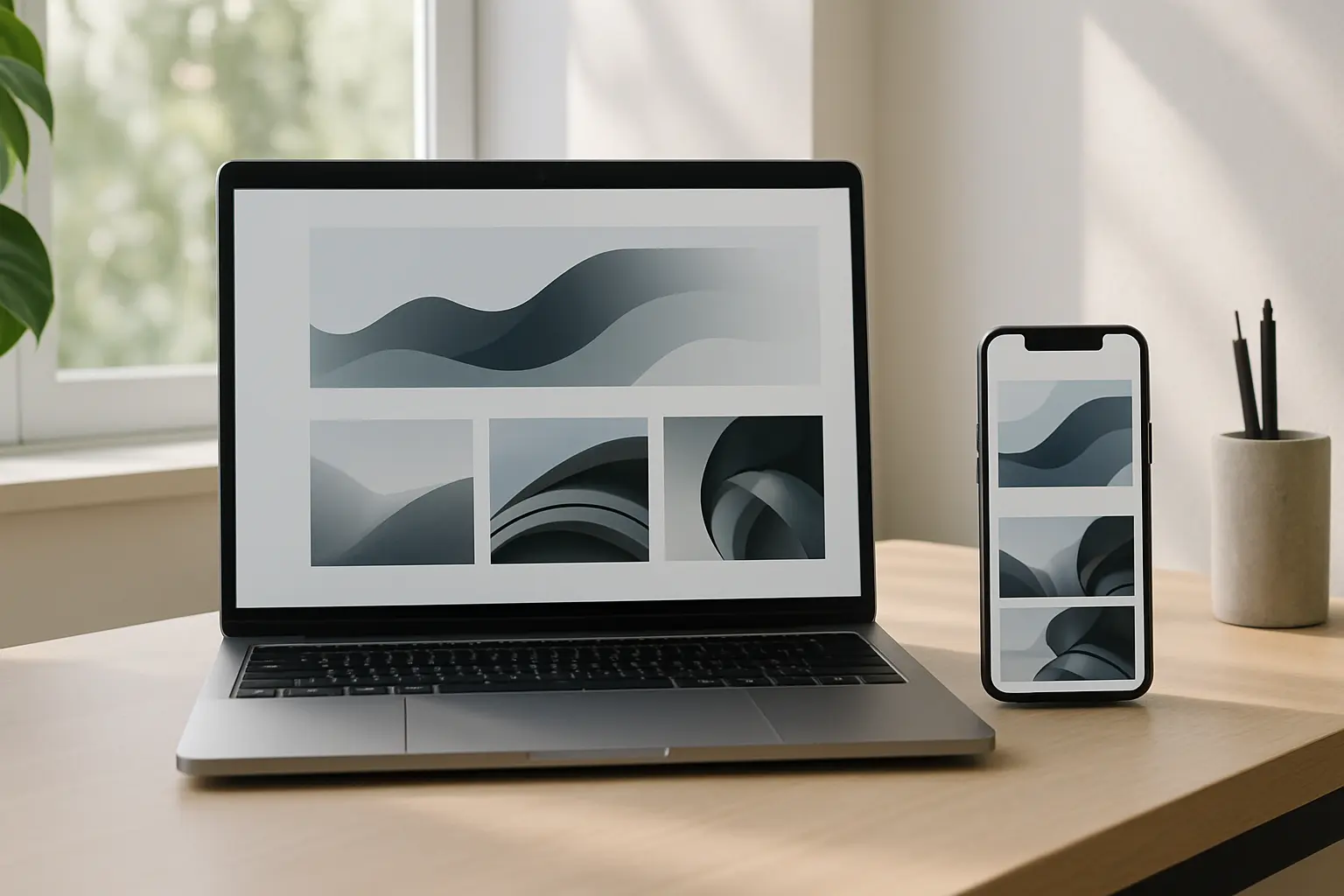
What Makes a Modern Website Design in 2026? Essential Trends, Features, and Business Benefits
Modern website design 2026 is no longer just about aesthetics—it’s about combining cutting-edge visual trends, personalized user experiences, and seamless integration with business processes. If you want your website to attract, engage, and convert visitors, you’ll need more than just a beautiful interface. This article explores the trends, essential features, and business benefits of websites in 2026, with concrete insights for companies looking to stay ahead.
In this article:
- Key takeaways
- What Defines a Modern Website Design in 2026?
- Which Website Design Trends Will Dominate in 2026?
- What Features Should Every Modern Website Include by 2026?
- How Can Modern Website Design Benefit Your Business in 2026?
- Frequently Asked Questions
- Conclusion
As a digital agency that builds custom websites, e-commerce platforms, and business applications, Devizzo supports organizations of all sizes with adaptable solutions. With in-house platforms and modules, ongoing support, and robust hosting, Devizzo ensures your digital presence is both modern and reliable. Read on to discover how the right design choices can future-proof your business and why partnering with a comprehensive provider matters.
Key takeaways
- Modern website design in 2026 focuses on adaptive, AI-enhanced user experiences and scalable custom solutions.
- Key trends include minimalism, immersive visuals, automation, and accessibility compliance.
- Modular, customizable platforms and continuous support are essential for business growth.
- Partnering with agencies offering transparent, all-in-one digital services ensures long-term website success.
What Defines a Modern Website Design in 2026?

The definition of modern website design 2026 is rapidly evolving, with clear distinctions compared to previous years. At the core are adaptive layouts that automatically adjust to the user's device, screen size, and preferences. This goes far beyond simple responsiveness: layouts now use variable grids, scalable components, and AI-driven optimization to ensure seamless user experience (UX) whether visitors arrive from mobile, desktop, or emerging devices like foldables and wearables.
Another defining element is AI-driven personalization. Modern web design elements increasingly leverage artificial intelligence for real-time content adaptation, custom product recommendations, and even dynamic adjustment of navigation or color schemes based on user behavior. This shift is making static, one-size-fits-all websites obsolete—visitors expect a tailored journey from the first click.
Seamless UX is no longer optional. In 2026, this means instant loading times, distraction-free interfaces, and accessibility for all users. Features such as voice navigation, gesture controls, and real-time support via chatbots are standard expectations, not luxuries. To deliver this, agencies are moving away from generic templates and instead adopt custom solutions and proprietary modules that prioritize both performance and adaptability.
For example, digital agencies like Devizzo have set themselves apart by creating and continually refining their own platforms and feature modules. This approach enables them to integrate new website design trends quickly and securely, while also tailoring each solution to a client’s unique needs. The result is a future-proof website with built-in scalability—backed by ongoing support and transparent processes so businesses can focus on growth instead of technical hurdles.
Clients benefit from having a single provider handle everything from design to hosting, maintenance, and digital marketing. This all-in-one approach—combined with Devizzo’s ability to customize and integrate their proprietary systems—ensures that every facet of a modern website is covered, including the latest web design features that drive engagement and sales.
Which Website Design Trends Will Dominate in 2026?
As businesses prepare for 2026, keeping pace with modern website design means embracing trends that blend visual sophistication, intelligent automation, and accessibility. Agencies like Devizzo, which build custom sites and e-commerce solutions with proprietary platforms, are at the forefront of implementing these trends for brands that demand both style and performance.
Key Website Design Trends Shaping 2026
- Minimalism and Clean Layouts: Overloaded pages are out. The emerging preference is for whitespace, clear navigation, and focused content that guides visitors directly to action. This approach not only elevates visual appeal but also boosts speed and mobile usability—critical for engagement and SEO.
- Immersive Visuals: Expect richer 3D graphics, parallax effects, and interactive backgrounds that draw users into the brand story. With Devizzo’s custom web design services, companies can incorporate these elements without sacrificing site performance or accessibility.
- Micro-Interactions: Subtle animations—like button effects, hover states, and smooth transitions—enhance user experience and make interfaces feel alive. These details, often powered by modular code, keep users engaged and encourage exploration.
- Advanced Accessibility: New standards require more than just text alternatives and keyboard navigation. In 2026, modern web design elements include dynamic adaptation for users with disabilities, voice navigation, and AI-driven content personalization for inclusivity.
AI-Generated Content and Automation
Artificial intelligence is revolutionizing how content is created and managed—especially for e-commerce. Automated product descriptions, smart search, and personalized recommendations are no longer futuristic. Modern platforms, such as those offered by Devizzo, integrate AI modules that handle content updates, inventory sync, and customer engagement, giving businesses a competitive edge.
The Importance of Continuous Updates and Maintenance
With the rapid evolution of web design features and security requirements, continuous updates are non-negotiable. Outdated websites lose both traffic and trust. Devizzo’s model of ongoing support and maintenance ensures that sites remain visually current, functionally robust, and secure as new trends and technologies emerge.
For brands, agencies, and enterprises seeking a partner that provides everything from design to hosting and proactive upkeep, Everything we do, in one place. makes adopting and maintaining modern website design in 2026 straightforward and future-proof.
What Features Should Every Modern Website Include by 2026?
To stand out in 2026, a modern website must deliver more than just an attractive look. Businesses need sites that are not only visually appealing but also optimized for performance, security, and flexibility. The following modern web design elements are considered essential for any forward-thinking company:
- Fast-loading pages: With user expectations higher than ever, page speed is non-negotiable. Sites built on modular platforms, like those developed by Devizzo, leverage optimized code and managed hosting to ensure minimal loading times across all devices.
- Mobile-first design: As mobile browsing surpasses desktop usage, responsive layouts and adaptable content flow have become the default. Devizzo’s approach to Web design ensures that every site functions seamlessly on smartphones and tablets, not just resized for smaller screens but truly optimized for mobile experiences.
- Integrated e-commerce: Modern website design in 2026 assumes that even traditional sites may need to sell, book, or accept payments. Devizzo integrates robust e-commerce modules, such as their proprietary Shopakt platform, allowing businesses of all sizes to scale from simple catalogs to full-featured online stores.
- Robust security: Security threats continue to evolve, making SSL, two-factor authentication, and regular updates standard features. Through continuous monitoring and technical support, Devizzo ensures that client sites remain protected and compliant.
Modular, Customizable Platforms: The Backbone of Modern Flexibility
One of the defining features of modern website design 2026 is modularity. Sites are no longer static; they’re built from customizable blocks and modules that can be adapted or expanded as business needs change. Devizzo’s proprietary platforms are engineered to integrate smoothly with existing ERP, CRM, or marketing systems, so you avoid costly re-platforming when your operations grow or diversify. This flexibility is especially valuable for businesses aiming for long-term scalability without starting from scratch each time a new feature is required.
| Feature | Business Value | Devizzo’s Approach |
|---|---|---|
| Fast-loading, responsive pages | Reduces bounce rates, boosts SEO | Optimized custom code, reliable hosting |
| Modular e-commerce integration | Enables new revenue streams | Shopakt platform, scalable modules |
| Custom integrations | Streamlines operations, connects systems | APIs and bespoke modules built for each client |
| Ongoing support & maintenance | Ensures uptime, security, and updates | Continuous monitoring and transparent upgrades |
For companies seeking a site that does more than just look current, Devizzo’s methodology ensures every modern web design element—from performance and security to e-commerce and integration—works together to support growth. Explore how your business can benefit from a site that’s built for tomorrow’s demands with Devizzo’s Web design solutions.
How Can Modern Website Design Benefit Your Business in 2026?
Modern website design in 2026 is not just about aesthetics—it's a strategic asset that can directly influence your business outcomes. A well-crafted site builds trust and reinforces brand credibility from the very first interaction. When your website incorporates the latest modern web design elements—such as intuitive navigation, seamless mobile responsiveness, and personalized user experiences—it encourages visitors to stay longer and engage more deeply with your content. This increased engagement naturally leads to higher conversion rates, whether your goal is to generate leads, drive sales, or simply grow your audience.
For businesses of all sizes, the choice of partner for Website development Valjevo can determine the efficiency and scalability of digital operations. Agencies that offer fully integrated solutions—combining custom design, reliable hosting, ongoing maintenance, and digital marketing—can help you consolidate your digital infrastructure under one roof. This approach minimizes technical headaches, streamlines communication, and ensures that updates or new features are deployed quickly and efficiently.
One of the most significant advantages comes from working with an agency like Devizzo, which relies on proprietary platforms and modules tailored to your needs. Instead of forcing your business into a rigid template, Devizzo adapts each component—whether it’s e-commerce functionality, blog integration, or application modules—to fit your workflow and connect with your existing systems. Transparent processes and clearly defined timelines eliminate unexpected costs and delays, supporting long-term growth rather than just short-term fixes.
| Benefit | Traditional Web Design | Modern Website Design 2026 (Devizzo Approach) |
|---|---|---|
| Brand Credibility | Generic look, slow updates | Tailored identity, fast adaptation |
| User Engagement | Minimal personalization | AI-driven, interactive features |
| Conversion Rate | Outdated sales funnels | Optimized journeys, smart CTAs |
| Operational Efficiency | Fragmented services | All-in-one: design, hosting, support |
| Long-Term Value | Static, hard to scale | Custom modules, easy integration |
If you want a competitive edge in 2026, investing in web design that goes beyond surface-level visuals is crucial. Look for partners who can deliver a comprehensive solution—one that evolves with your business and digital landscape.
To see how modern website design can transform your business, explore Devizzo’s tailored solutions and discover what’s possible for your brand: devizzo.com.
Frequently Asked Questions
What are the top website design trends predicted for 2026?
Leading trends for 2026 include AI-driven personalization, immersive UI/UX with motion and micro-interactions, lightning-fast loading via optimized code and hosting, and seamless integration of e-commerce features. Modular and adaptable layouts, accessibility compliance, and advanced security are also essential for businesses aiming for a competitive digital presence.
How does AI influence modern website design features?
AI enhances modern website design by enabling dynamic content generation, personalized user experiences, intelligent search, and automated customer support. Platforms like Devizzo's Shopakt leverage AI for product descriptions and content, improving engagement and reducing manual workload for growing businesses.
Why is modular web design important for businesses?
Modular web design allows for scalable, customizable websites that can evolve with a business’s needs. It streamlines updates, supports integration with existing systems, and enables faster deployment of new features, which is especially valuable for brands requiring continuous digital innovation and support.
What security features should a website have in 2026?
Essential security features include robust SSL encryption, regular backups, real-time threat monitoring, automated security updates, and advanced authentication methods. Reliable hosting with continuous technical support, as provided by agencies like Devizzo, is critical to maintaining high security standards.
How can ongoing website maintenance impact long-term performance?
Continuous maintenance ensures websites remain secure, fast, and compatible with evolving technologies. It minimizes downtime, keeps content fresh, and supports SEO performance. Businesses benefit from scheduled updates, monitoring, and technical support, ensuring their online presence remains effective and reliable.
What makes Devizzo's approach to web design unique?
Devizzo offers a comprehensive solution by combining custom-developed platforms and modules with tailored integration, transparent timelines, and all-in-one services—from design and hosting to maintenance and digital marketing. This approach delivers flexible, scalable digital solutions for businesses of all sizes.
Ready to future-proof your online presence?
Discover how Devizzo can deliver a modern, secure, and scalable website tailored to your business needs. Learn more about their complete web design and e-commerce solutions at devizzo.com.
Conclusion
Modern website design in 2026 is shaped by innovation, functionality, and adaptability—qualities that distinguish successful online businesses. Integrating AI-driven features, seamless e-commerce experiences, and user-focused visuals is no longer a trend but a necessity. For companies looking to stay ahead, choosing a partner capable of delivering customized solutions and ongoing support makes all the difference. Devizzo’s approach, built on proprietary platforms and tailored modules, ensures that every website or online store not only looks contemporary but is equipped for the evolving demands of digital business.
If your business needs a website or e-commerce solution that stands out and grows with your needs, explore how Devizzo’s comprehensive web services—spanning design, development, hosting, and maintenance—can help. Take the next step towards a future-proof online presence by visiting devizzo.com.
Related articles
Choose Business Domain Name: Tips for the Best Choice
How to Choose the Best Domain Name for Your BusinessChoosing the right domain name is one of the most important first steps when launching your business online. If you want to choose business domain name that supports growth, trust, and visibility, it’s crucial to understand what makes a domain effective. This article will guide you through the key factors to consider, from branding tips to technical choices. In this article: Key takeaways Why Does Your Business Website Domain Matter? What Are the Essential Domain Selection Tips? How to Find Brandable Domains for Your Business? Should You Register Multiple Domains and Which Extensions to Choose? Frequently Asked Questions Conclusion Whether you are building a custom website, online store, or digital platform, the domain you select can influence your brand reputation and search engine rankings. Drawing on experience from Devizzo, a digital agency specialized in turnkey web solutions, you’ll learn expert strategies for finding a memorable and brandable domain that fits your goals. By the end, you’ll know how to secure the perfect online identity for your business. Key takeaways A carefully chosen domain name builds trust and supports your brand identity. Short, memorable, and relevant domains perform best for business websites. Brandable domains and the right extensions increase visibility and credibility. Registering multiple domains helps protect your brand and improve SEO. Professional digital agencies like Devizzo can guide you through domain selection, registration, and ongoing management.Why Does Your Business Website Domain Matter? Your business website domain is far more than just an address—it’s the foundation of your online identity. The right domain name directly influences your branding, credibility, and discoverability, which are critical for attracting and retaining customers. For businesses seeking comprehensive web solutions, such as those provided by Devizzo, the domain name is the first digital touchpoint that can determine whether a visitor stays or leaves. Branding and Recognition: A well-chosen domain name reinforces your brand every time someone types or sees it. It should be memorable, easy to pronounce, and ideally reflect your business name or main value proposition. For example, an e-commerce company launching a turnkey store with Shopakt will benefit from a domain that instantly communicates the product niche or store brand, making marketing efforts more effective. Credibility and Trust: Today’s users are cautious—an unprofessional or confusing domain can immediately raise doubts about legitimacy. A clear, brandable domain boosts trust, especially for new visitors. Avoiding numbers, hyphens, and strange extensions helps your business appear established and reliable, which is essential when offering digital services or online shopping. SEO and Visibility: Search engines consider domain names when ranking sites. Incorporating relevant keywords, while staying brand-focused, can enhance your SEO. For instance, including your main service or industry in the domain can help you rank higher for those terms, making it easier for potential clients to find your site when searching for services like web development, hosting, or digital marketing. First Impressions Matter: Your domain is the first thing clients see—make sure it’s simple, relevant, and authoritative. User Trust: A professional domain reassures visitors that they’re dealing with a reputable business, which is crucial for conversion and retention. Digital Growth Support: As your business evolves—adding new services like e-commerce, hosting, or custom applications—a scalable and adaptable domain makes expansion smoother.Ultimately, the right domain name gives your business a competitive edge. When combined with expert web development and digital marketing, such as the turnkey solutions from Devizzo, it becomes a central asset in your online strategy. What Are the Essential Domain Selection Tips?When you are about to choose a business domain name, several essential factors can significantly impact your brand’s digital presence and long-term growth. Here are some actionable domain selection tips tailored to companies seeking comprehensive digital solutions, such as those offered by Devizzo: Keep it short and memorable: A concise domain is easier for customers to recall and type. Aim for 6–15 characters if possible. For example, a web store selling artisan coffee might benefit from “beanmarket.com” instead of “thebestartisancoffeeonline.com”. Avoid hyphens and numbers: Hyphens and numbers complicate verbal sharing and increase the risk of typos. Domains like “shopakt.com” are preferable over “shop-akt123.com”. Reflect your business and services: The domain should clearly relate to your business name, core services, or products. For instance, an agency specializing in turnkey web solutions benefits from a domain that signals expertise, such as “devizzo.com”. Think of your target audience’s expectations: Consider what your customers will search for and the keywords they associate with your industry. If targeting e-commerce, including keywords like “store,” “shop,” or your main product can help.Align the Domain with Business Goals Choosing a domain name that fits current offerings and future expansion is crucial. If your business might diversify, pick a name that remains relevant. For example, using “devizzo.com” allows for growth from web development to digital marketing and app development, without limiting perception to a single service. Domain Feature Why It Matters Example Short and simple Easy to remember and type shopakt.com No hyphens or numbers Prevents confusion and miscommunication devizzo.com vs. dev-izzo23.com Brandable and relevant Supports marketing and SEO efforts beanmarket.com for a coffee storeFor those building a professional image and planning for digital transformation, selecting a domain that is scalable and brandable from the start is a smart investment. This ensures consistency across your website, online store, and future applications. For additional guidance on building your online presence, see How to Choose Business Website. How to Find Brandable Domains for Your Business?Finding a brandable domain name is crucial for making your business stand out online. A truly brandable domain is unique, easy to pronounce, and instantly gives visitors an idea of what your business offers. When choosing a business domain name, look for options that are short, memorable, and free from confusing hyphens or unusual spellings. For example, a digital agency like Devizzo benefits from a name that is concise and immediately signals expertise in web solutions, rather than a generic or hard-to-remember web address. Here are key characteristics of a brandable domain: Uniqueness: Avoid using generic keywords or phrases that blend in with competitors. Your domain should be distinct and not easily confused with others in your industry. Pronounceability: Easy pronunciation helps with word-of-mouth sharing. If potential clients can easily say and recall your domain, it supports stronger offline and online branding. Clear Association: Ideally, your domain hints at your business’s core services or values. For Devizzo, including words related to digital, web, or solutions immediately builds the right association.To brainstorm creative domain ideas, leverage AI-powered tools and domain name generators. These resources can suggest combinations and alternatives you might not have considered, especially when common names are already taken. Devizzo incorporates AI not only in its digital marketing and e-commerce services but also in project planning, which shows how AI can drive smarter, faster branding choices. For example, using AI-generated product descriptions and business names can accelerate the launch of a unique online store. For more on scaling your presence, see Build Scalable Ecommerce Business. Another important domain selection tip is to maintain consistency across digital channels. This means aligning your domain with your business name and your handles on social media platforms. Consistent branding makes it easier for customers to find and remember your business, strengthening your reputation across the web. For e-commerce companies, using a platform like Shopakt ensures your store’s identity is unified from domain to checkout, reinforcing trust and recognition. Should You Register Multiple Domains and Which Extensions to Choose? Choosing one domain name is only the beginning—savvy business owners often go a step further by registering multiple domains and carefully selecting extensions. This strategy not only strengthens your brand but also protects it from competitors and improves your visibility in local and regional markets. Domain Extensions: Which One Is Best for Your Business? When you choose a business domain name, the extension (TLD) you select can influence customer trust, SEO results, and even how easily your brand is found in Serbia and the ex-YU region. The table below compares popular extensions and their typical business use cases: Extension Use Case Recommended For SEO/Brand Value .com International, universal business Any business targeting customers outside Serbia High (global trust, memorable) .rs Serbia-localized sites Businesses focused on the Serbian market High for local SEO, local credibility .net Technology, networks, digital agencies IT, SaaS, and digital service providers Moderate (alternative when .com is taken) .com.hr, .ba, .si Country-specific in ex-YU region Firms targeting Croatia, Bosnia, Slovenia High for regional SEO .eu Pan-European branding Businesses with EU-wide presence Moderate (shows international scope)Why Register Multiple Domains? Brand Protection: Securing similar domains (.com, .rs, .net, etc.) prevents competitors from registering confusingly similar names and protects your business identity. SEO Advantages: Redirecting regional domains to your main site can boost your visibility for local searches and help customers find you more easily in their market. Easy Expansion: If you plan to grow into new countries, owning local extensions like .ba or .hr streamlines future launches and marketing efforts. Typo Safeguard: Registering common misspellings and redirecting them ensures no traffic is lost due to user error.Domain Security and Ongoing Maintenance Registering multiple domains means more to manage. It’s vital to keep all your domains secure, renewed, and connected with up-to-date DNS and SSL certificates. Partnering with a digital agency that offers managed hosting and comprehensive domain support, such as Devizzo, can relieve you of this burden. Their hosting services include SSL, daily backups, and 24/7 monitoring, which is especially beneficial if your business depends on uninterrupted online presence—whether for a main website, an online store, or mobile-first solutions (see Mobile Friendly Website 2026). Choosing the right set of domains and extensions is not just a technical decision, but a strategic move for brand growth, customer trust, and regional success. For expert help in managing your domains, hosting, and digital presence, explore Devizzo’s solutions at devizzo.com. Frequently Asked Questions How do I choose the right domain name for my business? Select a domain name that reflects your brand, is easy to spell and remember, and avoids complex characters. Aim for a name that matches your business identity and is relevant to your industry. If you work with a digital agency like Devizzo, professionals can help secure a name that aligns with your business goals and digital presence. Is it better to use .com or a local domain extension for my company? .com domains are globally recognized and trusted, ideal for businesses with international ambitions. However, a local extension (like .rs for Serbia) can boost local credibility and SEO. Devizzo often recommends choosing based on your target market—.com for broader reach and a local extension for strong regional branding. What should I do if my preferred business domain is already taken? If your desired domain is unavailable, try variations by adding keywords, using different extensions, or integrating your business location. Avoid numbers and hyphens for clarity. Digital agencies such as Devizzo can assist with creative alternatives or domain acquisition negotiations to secure the closest possible match. How many domains should a business register for brand protection? Register your exact business name with major extensions (.com, local, and popular alternatives). Consider securing common misspellings and relevant keywords to prevent competitors from acquiring similar domains. For comprehensive digital protection, agencies like Devizzo can help you create an effective domain registration strategy tailored to your brand. Do keywords in a domain name help with SEO? Including relevant keywords in your domain can provide a slight SEO advantage and clarify your business focus to users. However, prioritizing brandability and simplicity is more important. Devizzo combines keyword research and branding to help clients choose domains that support both search visibility and professional image. Are short or long domain names better for business websites? Short domain names are generally better—they are easier to remember, type, and share. Aim for concise names that avoid ambiguity. If a short name isn’t available, prioritize clarity and relevance. Devizzo’s web development team ensures your domain is both user-friendly and aligned with your business objectives. Ready to secure the perfect domain for your business? Entrust your digital presence to experts who handle everything from domain selection to website launch. Visit Devizzo for turnkey web solutions tailored to your business needs. Conclusion Choosing the right domain name is a crucial step in building a strong digital presence for any business, as it directly impacts branding, visibility, and customer trust. For companies aiming for seamless growth and an effective online strategy, a carefully selected, brandable domain is not just an address—it's the foundation of digital success. With so many details to consider, from extensions to memorability, it’s essential to make informed decisions that align with both business goals and future expansion. If you want to ensure your business stands out with a professional domain and a fully tailored website, consider partnering with a digital agency that offers comprehensive solutions. Devizzo delivers custom web development, e-commerce, and application services, leveraging proprietary platforms and AI tools for efficient results. Take the next step towards a powerful online presence and explore everything Devizzo can offer at https://devizzo.com.
Devizzo
28 September 2026

How to Choose Business Website Hosting for Success
How to Choose Business Website Hosting: A Step-by-Step Guide for CompaniesChoosing the right business website hosting is a key decision that directly impacts your company's online presence, security, and growth potential. Whether you are launching a custom website, an e-commerce store, or a tailored application, this guide explains step by step how to select a hosting solution that supports your business goals. In this article: Key takeaways Why Is the Right Hosting Crucial for Your Business Website? What Hosting Features Matter Most for Business Success? How to Compare Web Hosting Providers for Your Business Needs Should You Choose Agency-Managed Hosting or Go DIY? Frequently Asked Questions Conclusion This article will help you understand which hosting features matter most for business success, how to compare providers, and whether you should opt for agency-managed hosting or go the DIY route. With insights tailored to business owners, e-commerce companies, and teams seeking complete digital transformation, you will learn how agencies like Devizzo deliver reliable hosting, security, and ongoing support as part of a seamless, all-in-one digital solution. Key takeaways Choosing the right business website hosting ensures performance, security, and growth. Key features like SSL, backups, and 24/7 support are essential for business hosting. Comparing providers based on business needs helps avoid costly mistakes. Agency-managed hosting solutions offer convenience and integrated support for businesses.Why Is the Right Hosting Crucial for Your Business Website? Choosing the right hosting is a foundational decision for any business website, directly affecting how customers interact with your brand online. Reliable hosting ensures your site loads quickly, stays online, and provides a seamless experience—factors that are critical for building trust and converting visitors into clients. Slow load times, frequent outages, or security lapses not only frustrate users but can also harm your reputation and search rankings. For e-commerce sites and company websites, the risks of poor hosting are even more pronounced. Downtime means lost sales and missed opportunities, while inadequate security can result in data breaches, theft of sensitive information, and potential legal consequences. In highly competitive markets, even a few minutes of unavailability or a security incident can lead customers to choose a competitor instead. Many businesses try to manage hosting on their own or opt for the cheapest provider, only to face hidden costs later—manual troubleshooting, data loss, or expensive emergency fixes. This is where comprehensive solutions from digital agencies like Devizzo become invaluable. By offering hosting as part of a complete package—including SSL certificates, daily backups, DDoS protection, and continuous monitoring—Devizzo helps business owners avoid common pitfalls without juggling multiple vendors or worrying about technical details. Performance: Fast, stable hosting ensures your site is always accessible, even during traffic spikes. Security: Built-in protections like web application firewalls and automated backups safeguard customer data and business continuity. Peace of mind: With a single partner for website creation, optimization, and hosting, businesses can focus on growth rather than IT headaches.Choosing an all-in-one digital agency that handles hosting, development, and ongoing maintenance means you benefit from a team that understands your business goals and technical needs—ensuring your website remains fast, secure, and reliable at every stage of growth. For more on the importance of ongoing support, see Website Maintenance Importance: Key Facts for Business. What Hosting Features Matter Most for Business Success?When you choose business website hosting, focusing on the right features is critical to set your company up for success—and to avoid costly pitfalls later. For businesses of all sizes, hosting is more than just storage and bandwidth: it’s the foundation for reliability, growth, and customer trust. Here’s what to look for, and how specialized solutions like those from Devizzo can deliver lasting value. SSL Certificates: Essential for secure transactions, SSL protects user data and builds trust—especially for e-commerce and B2B websites. Automated Backups: Daily or real-time backups safeguard your site against data loss, accidental changes, or cyberattacks. Scalability: As your business grows, your hosting should seamlessly handle increased traffic, new features, or expanded product catalogs—without downtime or performance issues. Advanced Security: DDoS protection, web application firewalls (WAF), and constant monitoring are a must to prevent breaches and maintain uptime. 24/7 Support: Fast, knowledgeable support minimizes disruptions and helps resolve issues before they impact your customers. Uptime Guarantees: Look for providers that commit to high availability (typically 99.9% or above) so your website is always accessible. Feature Standard Hosting Business Hosting SSL Certificate Optional, sometimes extra Included Automated Backups Weekly or manual Daily, automated Security Features Basic DDoS, WAF, 24/7 monitoring Support Email, limited hours 24/7 expert support Uptime Guarantee 98%-99% 99.9%+ Scalability Limited Flexible, business-ready Integrated Maintenance No Yes, with proactive updates AI Automation No Available in advanced packagesModern business hosting goes beyond the basics. Devizzo, for instance, integrates AI-powered automation and custom platforms to streamline everything from content updates to product management. This not only saves time, but also ensures your website and online store are always up to date, secure, and performing at their best. Advanced features like integrated maintenance—explained more in Website Maintenance Importance—reduce risk and free up your team to focus on growth, not troubleshooting. For companies planning digital transformation, these are not just nice-to-have features—they’re essential. By prioritizing advanced hosting features, you empower your business to scale with confidence, keep your data safe, and provide an excellent user experience from day one. How to Compare Web Hosting Providers for Your Business NeedsWhen you choose business website hosting, selecting the right provider can directly impact your site’s speed, reliability, security, and long-term flexibility. Here’s a practical checklist, based on leading business hosting tips, to help you make an informed comparison: Performance: Look for SSD storage, high uptime guarantees, and resources dedicated to your business size. Support: 24/7 customer support and proactive monitoring are essential, especially for e-commerce and companies running critical services. Scalability: The ability to upgrade resources or add new features as your business grows is key; check if the provider supports seamless scaling. Integration: Consider how easily hosting integrates with website development, digital marketing, and maintenance—an all-in-one solution saves time and reduces risk.Businesses can simplify their entire digital presence by leveraging agency-hosted solutions. For example, digital agencies like Devizzo offer hosting as part of a broader package—combining website creation, content, AI-driven features, and ongoing maintenance. This approach gives companies a single point of contact for both technical infrastructure and creative development, making it easier to manage updates, security, and future growth. For those considering end-to-end digital solutions, the guide Choose Web Development Agency explains how agency partnership can streamline your next project. Hosting Provider Comparison Table Hosting Type Performance Support Scalability Integration with Development Generic Shared Hosting Basic, can be slow under load Email/ticket, limited hours Restricted, often fixed plans Minimal, DIY setup Dedicated Business Hosting High, dedicated resources 24/7, usually responsive Flexible, easier upgrades Some integration, technical know-how needed Full-Service Digital Agency Hosting Optimized, managed for business needs 24/7, proactive and personalized Highly scalable, tailored to growth Seamless—development, hosting, and support in oneUltimately, when conducting your web hosting comparison, weigh not just specs but the value of an integrated approach. By choosing a provider that aligns with your business goals and offers seamless collaboration between design, development, and hosting—such as digital agencies using proprietary platforms and AI tools—you set the foundation for growth and digital resilience. Should You Choose Agency-Managed Hosting or Go DIY? When you need to choose business website hosting, one of the biggest decisions is whether to manage hosting internally (DIY) or outsource to a digital agency. Each option has distinct strengths and challenges, and the right choice often depends on your company’s size, technical resources, and business priorities. Criteria Agency-Managed Hosting DIY Hosting Setup & Technical Maintenance Handled by experts; no need for in-house knowledge Requires hands-on setup, monitoring, and troubleshooting Security & Compliance Proactive security, regular updates, and backups included Owner responsible for updates, patches, and security protocols Time Investment Minimal; agency oversees uptime and issues Significant; ongoing monitoring and issue resolution required Customization & Flexibility Tailored solutions, but some platform constraints Full control, but increased complexity Support Professional 24/7 support Depends on host or internal capabilitiesFor most small to mid-sized businesses, agency-managed hosting delivers crucial advantages: faster deployment, expert support, and integrated services like SSL, daily backups, and security protection. If your team lacks dedicated IT staff, or if you want to focus on growth rather than technical troubleshooting, outsourcing to a specialized agency such as Devizzo means greater efficiency and peace of mind. For example, companies migrating complex e-commerce stores or launching new sites often benefit from a partner who can ensure smooth transition and zero downtime. (Website Migration Guide offers actionable steps for a secure move.) DIY hosting is ideal for businesses with strong internal IT resources who need highly custom environments and are prepared to handle daily management, security, and updates. However, this approach demands substantial time and expertise—any oversight can expose your site to costly breaches or downtime. If you want to eliminate hosting headaches and enjoy a turnkey solution where web development, hosting, and ongoing maintenance are covered under one roof, explore how Devizzo’s tailored services—backed by proprietary platforms and AI-driven automation—can empower your digital presence. Discover more about complete business website and hosting solutions at Devizzo. Frequently Asked Questions What are the most important hosting features for a business website? Key features for business website hosting include strong security (SSL, firewalls), daily backups, high uptime, fast loading speeds, and 24/7 monitoring. For companies, it’s also important to have scalable resources and reliable technical support. Agencies like Devizzo provide hosting with integrated security, backup, and maintenance—ideal for business-critical sites. How does business website hosting differ from regular hosting? Business website hosting offers enhanced performance, security, and support tailored to company needs. Unlike basic hosting, it often includes dedicated resources, advanced monitoring, and business-focused features such as automated backups, SSL certificates, and priority support, all of which Devizzo integrates within its comprehensive digital solutions. Can I switch my hosting provider without downtime? Yes, migrating to a new hosting provider can be seamless if carefully managed. Professional agencies like Devizzo handle transfers by using staging environments and DNS adjustments, ensuring your website remains accessible throughout the process. This minimizes or eliminates downtime and protects your data during migration. Is managed hosting worth it for small businesses? Managed hosting is valuable for small businesses lacking in-house IT, as it covers server updates, security, and backups. This saves time, reduces risk, and lets you focus on growth. Agencies such as Devizzo provide managed hosting as part of broader web solutions, ensuring ongoing performance and protection. What security measures should I look for in business hosting? Essential security measures include SSL certificates, regular backups, DDoS protection, malware scanning, and 24/7 monitoring. Business hosting from providers like Devizzo also features automated updates and security patches, helping guard sensitive company and customer data against cyber threats. How do I know if my business needs scalable hosting options? If your website traffic fluctuates, you plan to grow, or run an online store, scalable hosting is crucial. It ensures your site remains fast and reliable during traffic spikes. Providers such as Devizzo offer flexible hosting solutions, allowing resources and features to grow with your business needs. Ready to secure and grow your business online? Get expert hosting, development, and digital support in one place. Discover how Devizzo’s all-in-one web solutions can help your company thrive—visit devizzo.com for more information. Conclusion Choosing the right hosting for your business website goes far beyond just technical performance—it’s about ensuring your digital foundation is secure, scalable, and tailored to your company’s needs. When your business relies on digital presence, as do many small, medium, and large enterprises and e-commerce firms in Serbia and the ex-YU region, a comprehensive approach that covers hosting, security, and ongoing support is essential. Agencies like Devizzo, which combine custom website and online store development with robust, AI-powered hosting solutions, offer the kind of turnkey service that empowers businesses to focus on growth rather than technical hurdles. If you’re ready to move your website or launch a new digital project—whether it’s a site, online store, or custom application—consider partnering with a team that delivers everything under one roof. Explore how Devizzo can help your business with secure hosting, complete web solutions, and dedicated support by visiting devizzo.com.
Devizzo
14 September 2026
Choose Web Development Agency: A Business Guide
How to Choose the Right Web Development Agency for Your BusinessTo choose a web development agency is one of the most important steps for any business aiming to grow online. Whether you need a custom website, a powerful e-commerce platform, or ongoing support, finding a partner that understands your needs and delivers reliable results can set your brand apart from the competition. In this article: Key takeaways What Should You Look for in a Web Development Agency? How to Compare Web Development Agencies: Essential Criteria Why Choosing the Best Web Development Company Matters for Your Business Agency Selection Tips: How to Make the Right Decision Frequently Asked Questions ConclusionThis article will help you identify what really matters when selecting a web development agency. You’ll learn how to compare agencies, understand the value of tailored solutions like those offered by Devizzo—a digital agency specialized in web development, e-commerce, hosting, and ongoing support—and discover practical tips to ensure you make the right decision for your business goals. Key takeaways Choose a web development agency that offers tailored, comprehensive solutions aligned with your business needs. Comparing agencies based on transparency, service range, and technical adaptability ensures better project outcomes. Ongoing support and maintenance are crucial for long-term digital success. Devizzo provides integrated web development, e-commerce, and digital support for businesses of all sizes.What Should You Look for in a Web Development Agency?When you set out to choose a web development agency, several key factors should guide your decision to ensure your investment delivers lasting value. First, prioritize agencies with proven technical expertise and a portfolio that aligns with your business goals. Examine whether the agency has experience in websites, e-commerce solutions, or applications relevant to your industry, and review real examples of their work. For instance, an agency like Devizzo demonstrates capability through tailored web solutions for businesses of all sizes, from simple company websites to complex e-commerce platforms. Equally important is the agency’s ability to deliver comprehensive services under one roof. This means not just web development, but also design, reliable hosting, ongoing site maintenance, SEO optimization, and digital marketing. Agencies that provide an end-to-end service can ensure consistency and reduce friction throughout your project’s lifecycle, offering you a single point of accountability. With Devizzo, clients benefit from such an integrated approach—web design, custom development, hosting, and support are all included, streamlining communication and project management. Customization and Proprietary Platforms Customizable Solutions: Seek agencies that use proprietary platforms and modules, which can be adjusted to your specific needs and integrated with your existing systems. This flexibility supports business growth and evolving requirements. Long-Term Support: Evaluate what level of post-launch support and technical maintenance is included. Agencies invested in your long-term success will ensure your digital solution stays secure and up to date. Criteria Why It Matters Devizzo’s Approach Technical Expertise Ensures quality and reliability of your website or app Specialists in web, e-commerce, apps, and integrations Comprehensive Services Simplifies project management and post-launch support Design, development, hosting, maintenance, and marketing Custom Platforms Allows for tailored solutions and future scalability Own platforms and modules, adaptable to client needs Ongoing Support Keeps your solution secure and performing optimally Continuous monitoring, updates, and technical helpUltimately, choosing a web development agency is about partnership. Look for a team that not only builds your digital presence but also supports your business as it grows. For a closer look at comprehensive website solutions tailored to your needs, explore website development options with transparent pricing and clear deliverables. How to Compare Web Development Agencies: Essential Criteria When you set out to choose a web development agency, clear comparison is crucial for making a confident decision. Key criteria include transparent pricing, project timelines, the range of services offered, and how well an agency supports you after launch. Agencies like Devizzo, for example, emphasize both well-defined costs and completion dates, helping clients avoid unpleasant surprises and plan their digital projects with clarity. A major advantage is finding an agency that offers everything under one roof—development, e-commerce, web design, hosting, ongoing maintenance, and digital marketing. This integrated approach streamlines communication, accelerates delivery, and ensures that all parts of your online presence work seamlessly together. When agencies use their own platforms—such as Devizzo’s customizable modules and Shopakt e-commerce system—it can further increase flexibility and integration with your existing business tools. Comparing Leading Web Development Companies Criteria Devizzo Agency A Agency B Transparent pricing and contracts Yes (prices published, contract before start) Estimate only, contract after scoping Custom quote, partial up-front payment Project timeline clarity First version in 10 days for websites Variable, 2–6 weeks Depends on project, no guaranteed dates Service scope (development, design, marketing, maintenance) All-in-one: web, e-commerce, hosting, SEO, maintenance Web development + design only Web + e-commerce, limited marketing Custom platforms/modules Yes, adaptable to client needs No, uses only third-party CMS Partial, e-commerce add-ons Post-launch support Ongoing support and updates Limited, extra cost Maintenance package requiredFor businesses weighing options, such a table highlights not just pricing, but the full value an agency can bring. The ability to compare offerings side by side ensures you’re investing in a partner equipped for your current needs and future growth. Whether you are a small brand or an established company, these agency selection tips make it easier to find the best web development company for your goals. Why Choosing the Best Web Development Company Matters for Your Business Choosing the best web development company is a decision that directly shapes your business’s digital presence, scalability, and growth trajectory. The right agency not only delivers a visually appealing website or a robust e-commerce platform, but also ensures seamless user experience, technical stability, and expansion opportunities as your business evolves. For enterprises of all sizes, this means fewer headaches down the road—whether you’re managing a portfolio of brands or launching your very first online store. One of the most significant advantages of partnering with a full-service digital agency is ongoing support. Reliable agencies, such as Devizzo, offer continuous technical maintenance, security updates, and content assistance, which are crucial for preventing downtime and cyber threats. This is especially important for businesses dealing with sensitive customer data or frequent content updates. Their solutions are not just built for today—they’re designed to integrate with future technologies and adapt to changing business needs, from scaling up an e-commerce operation to adding new features or third-party integrations. Consider a real-world scenario: a mid-sized retail brand needs a custom online store with AI-generated product descriptions and a scalable backend. By choosing Devizzo, the brand benefits from tailored e-commerce development on their proprietary Shopakt platform, combined with Copywriting services for unique, SEO-friendly content. This level of customization, paired with continuous hosting, monitoring, and responsive support, allows the brand to focus on sales and marketing rather than technical troubleshooting. The impact of the right agency is clear when comparing common outcomes: Criteria Generic Provider Devizzo Approach User Experience Basic templates, limited UX strategy Custom design, UX tailored to business goals Scalability Rigid platforms, high upgrade costs Modular systems, easy integration and expansion Ongoing Support Limited or outsourced Direct, in-house support and regular maintenance Security & Updates Occasional updates, slow response to issues Continuous monitoring, proactive security patchesUltimately, selecting the best web development company goes far beyond the launch of a website—it’s about securing a reliable partner for your company’s long-term digital growth and resilience. A thoughtful web agency comparison, with attention to tailored solutions and comprehensive support, can make all the difference as your business scales and markets evolve. Agency Selection Tips: How to Make the Right DecisionMaking the right choice when you set out to choose a web development agency requires more than comparing portfolios. Each proposal should be examined not just for design and features, but also for clarity in technical explanations, transparent workflow, and long-term support options. Here are several actionable tips to guide your decision: Evaluate Proposals Thoroughly: Don’t be swayed by visuals alone. Request a breakdown of included features, maintenance terms, and what’s custom-built versus templated. Agencies like Devizzo, for example, offer Website development Valjevo with their own adaptable platforms—ask how these can be tailored to your needs, and whether additional modules or integrations are available if your business grows. Understand Technical Language: If you’re not familiar with web jargon, ask for plain-language explanations of key terms like “responsive design,” “SEO modules,” or “API integration.” A reliable agency will translate technical details into business value and practical outcomes. Check References and Past Performance: Ask for references from similar businesses or industries. Follow up to confirm the agency’s claims about delivery times, support quality, and post-launch reliability.Questions to Ask Before You Sign What is included in support and maintenance, and how quickly can you expect a response if something goes wrong? How are updates and security handled—are they automated or manual, and what’s your role in the process? Is the content management system intuitive for your team, or will you need training? Can the solution be integrated with your existing tools or e-commerce platforms?To ensure a productive partnership, look for an agency that offers ongoing digital support and is transparent about timelines and pricing. Agencies that provide all services under one roof—such as web development, hosting, and digital marketing—can streamline communication and reduce friction as your business evolves. For example, Devizzo’s approach to custom solutions and post-launch support makes them a strong candidate for businesses needing more than just a website; they deliver adaptable modules and reliable technical assistance for lasting growth. Frequently Asked Questions How do I know which web development agency is right for my business? The right web development agency should understand your industry, offer tailored solutions, provide clear timelines and transparent pricing, and support your project after launch. Agencies like Devizzo, using proprietary platforms and offering comprehensive digital services, are ideal for businesses seeking custom, scalable, and long-term digital solutions. What questions should I ask before hiring a web development company? Ask about their experience with similar projects, development process, support and maintenance options, technology stack, and how they handle custom requirements. It’s also important to inquire if they use in-house tools or third-party platforms, as agencies like Devizzo offer adaptable proprietary modules for diverse business needs. How do web agency services differ from freelancers or in-house teams? Web agencies provide a complete range of services under one roof, including design, development, hosting, and support, often with dedicated teams and structured processes. Unlike freelancers or in-house teams, agencies such as Devizzo deliver integrated solutions, continuous support, and scalable technology tailored for businesses of any size. What are the most important factors to consider in web agency comparison? Key factors include technical capabilities, portfolio, flexibility of platforms, range of services, post-launch support, and transparent pricing. Agencies that offer proprietary solutions and ongoing maintenance, like Devizzo, ensure that your business receives a customized, future-proof digital presence with reliable long-term support. How much does it cost to build a website with a professional agency? Website development costs vary based on project complexity, required features, and ongoing support. Agencies offering tailored solutions and comprehensive packages, such as Devizzo, provide clear pricing and scalable options. For an accurate estimate, request a proposal based on your business’s specific needs and goals. Can a web development agency handle ongoing maintenance and updates? Yes, reputable agencies typically offer ongoing technical and content maintenance, security updates, and 24/7 monitoring. Devizzo, for example, includes long-term support and regular updates as part of their service, ensuring your website or online store remains secure, up-to-date, and optimized for performance. If you’re looking for a partner to deliver a custom website, e-commerce solution, or ongoing digital support, explore Devizzo’s full-service digital solutions at devizzo.com and discover how your business can benefit from a dedicated digital agency. Conclusion Choosing the right web development agency can significantly impact your business’s digital growth and long-term success. By focusing on agencies that offer tailored platforms, comprehensive services, and ongoing support, such as Devizzo, you ensure your website or e-commerce project is both scalable and aligned with your needs. The right partner will not only deliver a high-quality solution but also provide the flexibility and security essential for today’s dynamic market. If you are ready to elevate your business with a custom website, advanced e-commerce functionality, or ongoing digital support, discover what Devizzo can offer. Explore their tailored web development and digital services at devizzo.com and take the next step toward your digital transformation.
Devizzo
1 September 2026