UX UI Design Online Sales: Boost Your E-commerce Success
Discover how effective UX UI design can boost online sales. Learn practical strategies to enhance your e-commerce success and increase customer conversions.

How UX/UI Design Drives Online Sales: Practical Insights for E-commerce Success
Effective UX UI design online sales strategies can make the difference between a thriving e-commerce business and one that struggles to convert visitors. This article reveals how thoughtful user experience and interface design directly boost online sales, providing practical tips you can apply to your own digital store for immediate results.
In this article:
- Key takeaways
- Why Does UX/UI Design Matter for Online Sales?
- How Can User Experience Be Optimized for E-commerce Websites?
- What Are Essential UI Design Tips to Increase Conversion Rate?
- How Can Businesses Implement Effective UX/UI Design for Online Sales Growth?
- Frequently Asked Questions
- Conclusion
Drawing on insights from Devizzo, a digital agency offering complete web solutions from custom online store development to hosting and maintenance, you’ll discover actionable advice tailored for business owners and teams ready to elevate their e-commerce performance. Learn how to optimize your website’s user flow, design, and functionality to drive growth and turn more visitors into loyal customers.
Key takeaways
- Investing in UX/UI design directly increases online sales and conversion rates.
- Optimized user experience reduces friction and builds trust with ecommerce customers.
- Consistent, accessible UI design is essential for maximizing conversion and customer retention.
- Integrated solutions, like those offered by Devizzo, simplify the implementation of effective UX/UI for businesses of all sizes.
Why Does UX/UI Design Matter for Online Sales?
UX/UI design plays a crucial role in determining whether visitors to your online store become loyal customers or abandon their carts. The way users experience your website—how easily they can find products, navigate categories, or complete a purchase—directly impacts their buying decisions. An intuitive and visually appealing interface builds trust, while even minor frustrations can quickly turn potential buyers away.
Direct Impact on Customer Decisions
A streamlined user experience in ecommerce leads to decreased bounce rates and higher conversion rates. For example, a clear call-to-action, simple checkout process, and responsive layout can significantly boost the likelihood of successful sales. As a digital agency offering turnkey online shop solutions, Devizzo has seen firsthand how professionally designed interfaces, combined with AI-generated product descriptions and seamless payment integration, help clients reduce drop-offs and increase order completion rates.
Common UX/UI Pain Points That Undermine Sales
- Slow navigation: Pages that take too long to load or menus that are hard to use frustrate customers, leading to site abandonment.
- Confusing layouts: Overly complicated or inconsistent design elements make it hard for users to find what they need, hindering decision-making.
- Poor mobile optimization: With more shoppers using smartphones, a site that isn’t mobile-first can lose a large portion of its audience.
- Lack of trust signals: Missing SSL certificates, unclear return policies, or unprofessional design reduce credibility and deter purchases.
Seamless Design Drives Trust and Sales
A seamless UX/UI design reduces friction at every stage of the customer journey—from first impression to checkout. When visitors feel confident navigating your site, trust is established, making them far more likely to complete a purchase. In practice, well-integrated features like one-click checkouts, clear product categorization, and automatic email confirmations (as available in Devizzo’s solutions) not only simplify the buying process but also foster ongoing customer loyalty.
Ultimately, investing in effective UX/UI design is not just about aesthetics; it is a strategic move to increase conversion rate and drive online sales. For actionable advice on avoiding the most common pitfalls, see Devizzo’s guide: Online sales mistakes: the top 6 errors and how to avoid them.
How Can User Experience Be Optimized for E-commerce Websites?
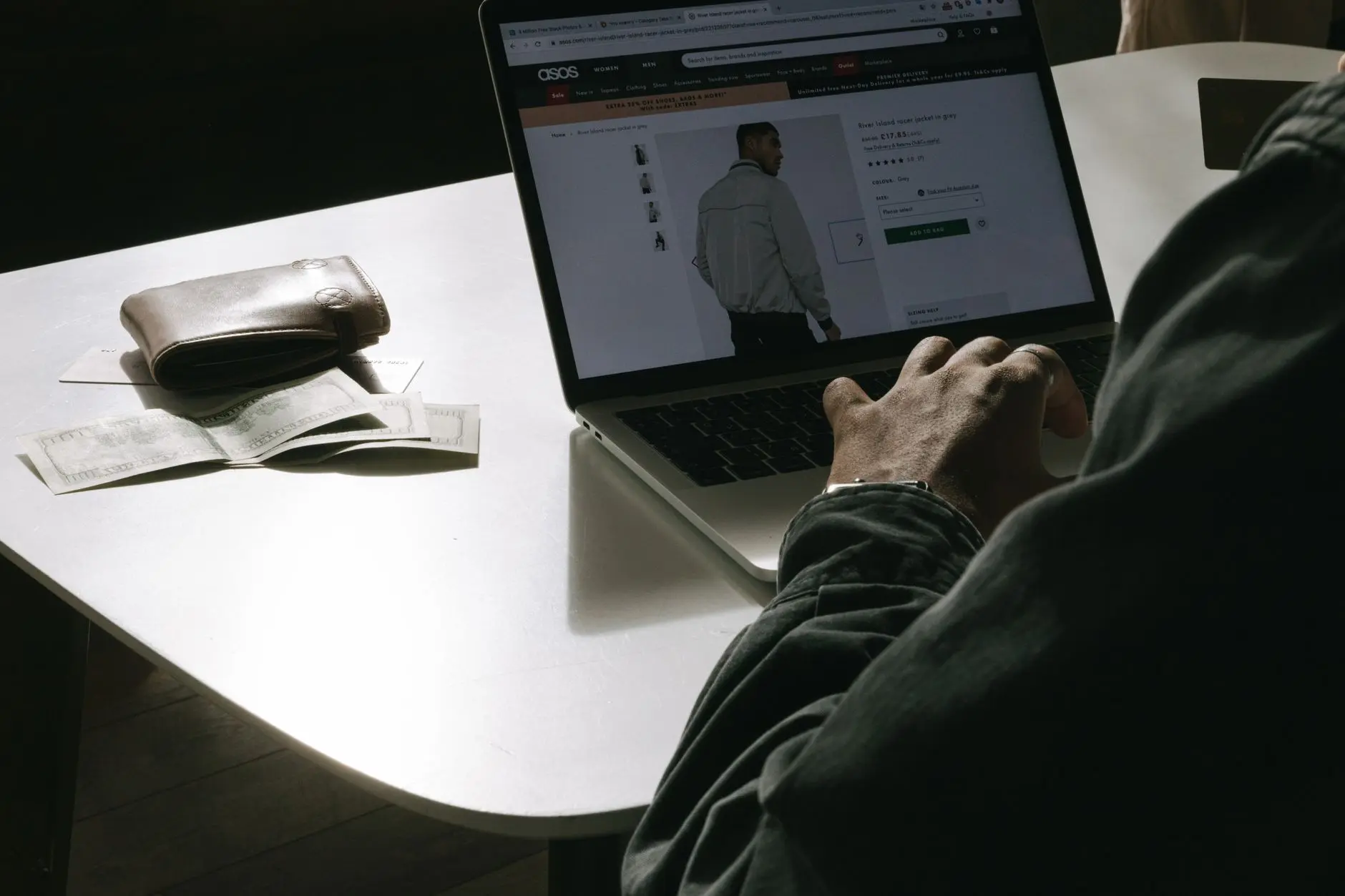
Optimizing user experience for e-commerce websites is a direct route to increased engagement and online sales. A strong UX UI design online sales strategy should focus on making every step of the customer journey seamless and rewarding. Here are actionable approaches proven to deliver results:
- Mobile-first design: With the majority of users shopping via smartphones, a responsive, mobile-optimized interface is essential. Pages should load quickly, layouts must adapt to small screens, and key actions (like adding to cart) should be thumb-friendly.
- Intuitive navigation: Clear menus, logical product categories, and a robust search function help users find what they need with minimal friction. This reduces bounce rates and keeps customers engaged longer.
- Clear calls-to-action (CTAs): Prominent, well-worded CTAs guide users through the funnel—whether it’s “Buy Now,” “Add to Cart,” or “Contact Us.” Consistent button placement and contrast help ensure actions are never missed.
When these elements are implemented, customer journeys become smoother, directly impacting conversion rates. For instance, e-commerce stores that simplify checkout and minimize required fields see significant drops in cart abandonment. Including trust signals like SSL, clear return policies, and social proof further reassures buyers and encourages completion of purchases.
Devizzo leverages tailored, clickable prototypes in the design phase, allowing clients to experience the site’s flow and usability before launch. This approach, combined with AI-driven content creation—such as automatically generated product descriptions—ensures that every page is both informative and conversion-focused. On Devizzo’s proprietary Shopakt platform, online stores benefit from integrated payment systems and easy product management, exemplifying how technology and UX best practices work together for sales growth.
For a deeper dive into features that enhance user experience and increase sales potential, see the comprehensive guide Online Store Features 2026.
What Are Essential UI Design Tips to Increase Conversion Rate?

When aiming to increase conversion rates in e-commerce, practical UI design tips make a measurable difference. Here are the essentials every business should focus on:
- Effective color schemes: Use a palette that aligns with your brand and fosters trust. For e-commerce, blue hues convey security, while accent colors like orange or green can highlight calls to action (CTAs) and guide users toward purchase decisions.
- High-contrast CTAs: CTAs like “Buy Now” or “Add to Cart” should stand out visually. Ensure buttons have enough contrast against the background, are large enough to tap on mobile, and use clear, actionable text.
- Fast-loading visuals: Slow-loading images and banners are conversion killers. Compress product photos without sacrificing quality, use modern formats such as WebP, and ensure your design adapts fluidly to any device.
Consistent Design Systems & Accessibility
A unified design system ensures every part of your site feels familiar and reliable. This consistency not only looks professional but also keeps users comfortable as they move from product pages to checkout. Accessibility is equally crucial: use readable fonts, sufficient color contrast, and alt text for images so everyone—including those with disabilities—can shop without barriers. For a forward-looking approach, see Modern Website Design 2026 for the latest in UI trends.
How Devizzo Delivers Cohesive UI for Sales Growth
Devizzo’s turnkey service model—covering design, development, hosting, and ongoing maintenance—removes the hassle of coordinating multiple vendors. Their team crafts online stores and business sites with clickable prototypes and mobile-first layouts that ensure every visual and interaction is optimized for conversion. By using proprietary platforms and AI-powered tools, Devizzo enables businesses to roll out cohesive, high-performing UIs rapidly, with the flexibility to evolve as markets and customer needs change. This comprehensive approach creates a seamless experience that supports sustained sales growth.
How Can Businesses Implement Effective UX/UI Design for Online Sales Growth?
Implementing effective UX/UI design for online sales growth starts with a structured, strategic approach. Businesses should begin by evaluating their current digital storefronts, identifying pain points in navigation, checkout flow, and content presentation. Prototyping is essential—creating interactive wireframes or mockups helps visualize new layouts and test user journeys before development begins. Agencies like Devizzo support this process with clickable prototypes and a mobile-first design approach, ensuring that your site’s look and feel align with your customers’ expectations across all devices.
Choosing an all-in-one partner brings distinct advantages. With proprietary platforms and integrated AI tools, agencies such as Devizzo can deliver rapid, fully customized solutions. For example, their Shopakt platform streamlines the launch of turnkey online stores, handling catalog creation, payment integrations, SEO, and even ongoing maintenance under a single roof. This reduces coordination overhead and accelerates your time to market, while AI-generated product descriptions and automated content updates keep your store fresh and engaging.
To maximize results, view UX/UI design as an ongoing process—not a one-time project. Regularly analyze metrics like bounce rate, conversion rate, and customer feedback to uncover areas for improvement. Use A/B testing on critical UI elements such as calls to action, product images, and checkout steps. Many successful businesses implement a cycle of continuous optimization, leveraging agency support for phased upgrades and new feature rollouts.
When planning a redesign or new store, don’t overlook foundational decisions like choosing the right hosting solution, which impacts speed, security, and scalability. For practical guidance, explore How to Choose Business Website to align your technology stack with your sales ambitions.
Ultimately, by partnering with a full-service digital agency that offers in-house development, hosting, and maintenance—along with proprietary AI-powered tools—businesses can consistently deliver superior user experiences that drive online sales growth and long-term ecommerce success.
Frequently Asked Questions
How does UX/UI design affect online sales conversion rates?
Effective UX/UI design streamlines the shopping process, reduces friction, and builds trust, all of which significantly increase conversion rates. Clear navigation, intuitive layouts, and fast-loading interfaces help guide users from product discovery to checkout, minimizing drop-offs. Agencies like Devizzo integrate these principles using tailored platforms and AI tools to maximize sales outcomes.
What are the most common UX mistakes in ecommerce websites?
Frequent mistakes include complicated navigation, slow page load times, unclear calls to action, and a lack of mobile optimization. Poor product descriptions and confusing checkout processes can also deter customers. Addressing these issues with a user-centered approach ensures smoother shopping experiences and higher retention.
Which UI elements are most important for increasing sales?
Key UI elements that drive sales include prominent and clear call-to-action buttons, easy-to-use search and filtering options, high-quality product images, and trust badges. A responsive design that adapts to all devices is essential. Devizzo’s mobile-first and prototype-driven design makes these elements central to every project.
How can small businesses improve user experience without a large budget?
Small businesses can start by simplifying navigation, using clear product images, and ensuring fast page speeds. Utilizing platforms with built-in best practices—like Devizzo’s Shopakt—allows businesses to access advanced UX features and AI-driven product descriptions without excessive costs or technical requirements.
Why should ecommerce companies consider a specialized agency for UX/UI design?
Specialized agencies offer expert knowledge, access to proprietary platforms, and comprehensive support—from design to hosting and maintenance. This ensures a cohesive, effective online store that aligns with business goals. Agencies such as Devizzo deliver turnkey solutions, reducing the need for multiple vendors and streamlining digital transformation.
What role do AI tools play in modern ecommerce design?
AI tools automate product descriptions, personalize shopping experiences, and optimize layouts based on user behavior. This leads to faster content creation, better user engagement, and increased sales. Devizzo integrates AI into its platforms, enabling ecommerce businesses to stay competitive and responsive to market changes.
Ready to boost your online sales through expert UX/UI design?
Explore how a complete digital solution—website, online store, and ongoing support—can transform your ecommerce business. Learn more about tailored services at Devizzo.
Conclusion
Investing in professional UX/UI design is a proven way to boost online sales, enhance customer satisfaction, and strengthen your brand’s digital presence. By focusing on intuitive navigation, clear calls to action, and a seamless shopping experience across devices, businesses can transform casual visitors into loyal customers. For companies seeking a partner to deliver these results, the choice of a provider experienced in custom e-commerce websites and applications—who combines in-house platforms with AI-driven tools—can make all the difference.
If you are ready to elevate your online store and streamline your digital processes, explore how Devizzo’s turnkey web solutions, from tailored e-commerce development to ongoing maintenance, can help your business grow. Discover more or request a consultation at devizzo.com.
Related articles

Online Store Features 2026: Top 10 Essentials for Success
Top 10 Online Store Features Every E-Commerce Site Needs in 2026If you want your e-commerce business to thrive in the years ahead, understanding the essential online store features 2026 will be crucial. This article highlights the top 10 must-have elements that will define successful online shops, from AI-driven personalization to advanced payment options. Each feature is explained through the lens of practical implementation, helping you stay ahead of customer expectations and digital trends. In this article: Key takeaways 1. AI-Driven Personalization and Smart Recommendations 2. Seamless Omnichannel Integrations 3. Advanced Payment and Checkout Options 4. Essential Online Shop Features for Future-Proofing Frequently Asked Questions Conclusion Whether you run a small business, manage a growing e-commerce store, or lead a larger company seeking digital transformation, this guide is designed for you. With insights drawn from Devizzo’s experience in building custom online shops, using proprietary platforms and AI tools, you’ll learn how to future-proof your e-commerce presence and deliver seamless experiences that set you apart from competitors. Key takeaways AI personalization and omnichannel integration are key ecommerce trends for 2026. Advanced checkout options and mobile-first design are essential online store features. Partnering with a full-service agency like Devizzo ensures your e-commerce site is secure, scalable, and future-proof.1. AI-Driven Personalization and Smart Recommendations AI-driven personalization is quickly becoming one of the core online store features 2026 will demand. As e-commerce trends 2026 continue to evolve, today’s shoppers expect more than a static catalog—they want tailored experiences, dynamic offers, and relevant product suggestions at every touchpoint. For business owners, this shift isn’t just about keeping up with trends; AI-powered recommendations are proven to boost conversion rates and increase average order value by ensuring each customer feels seen and understood. Agencies like Devizzo are at the forefront of this transformation, leveraging proprietary AI tools to automate and personalize the entire shopping journey. Using data from browsing habits, purchase history, and even real-time behavior, these systems segment customers and present the right products or offers to the right audience. For example, a returning customer browsing electronics might instantly see accessories or upgrades that match their previous purchases, while a first-time visitor could receive smart onboarding deals tailored to their interests. Segmentation and Automation: Proprietary AI solutions can identify micro-segments among your shoppers, delivering targeted recommendations, discounts, and content automatically—without manual intervention. Dynamic Product Recommendations: AI analyzes patterns, seasonal trends, and even inventory levels to surface the most relevant products, increasing both relevance and urgency. Personalized Marketing: Integration with built-in marketing tools ensures that email campaigns, loyalty rewards, and abandoned cart reminders are tailored for each user, enhancing engagement and retention.With platforms like Shopakt, Devizzo delivers turnkey online stores where AI-powered personalization is built in from day one. This means small, medium, and large businesses alike get access to enterprise-grade recommendation engines and smart automation—without the need for a dedicated tech team or lengthy integration cycles. For any e-commerce site, AI-driven personalization isn’t just an optional upgrade—it’s an online shop essential in 2026, directly impacting both user experience and revenue potential. To future-proof your store with the latest e-commerce site must haves, explore how Devizzo’s custom platforms can give your business a competitive edge. 2. Seamless Omnichannel IntegrationsSeamless omnichannel integrations are rapidly becoming one of the most critical online store features 2026 will demand. For businesses aiming to thrive in the evolving ecommerce landscape, ensuring that your online shop connects effortlessly with social media, popular marketplaces, and even physical retail locations is no longer optional—it's a core component of a future-ready strategy. Customers expect unified experiences: they want to browse a product on Instagram, purchase it via your webshop, and return it in-store, all without friction. These expectations are shaping the new standard for e-commerce site must haves and are directly influencing ecommerce trends 2026. The challenge lies in the diversity of channels and the speed at which new ones emerge. Rigid, off-the-shelf platforms often struggle to adapt, making flexible, custom-developed solutions increasingly attractive—especially for established businesses, growing brands, and agencies managing multiple shops. A digital agency like Devizzo, with its focus on tailored development and proprietary platforms, is uniquely positioned to deliver truly integrated omnichannel systems. By building on their own infrastructure and leveraging AI-driven tools, they can connect your webshop to key sales and marketing channels (like Facebook Shops, Google Shopping, or in-person POS systems), while maintaining full control over data, inventory, and customer experience. For example, integrating with social media isn't just about sharing links—it's about syncing product catalogs, handling purchases directly from posts, and tracking conversions across platforms. Similarly, connecting to marketplaces like Amazon or regional players means handling stock updates and order management in real time. For businesses with physical stores, a unified inventory and order system ensures that online and offline sales are always in sync—no more overselling or manual reconciliation. Devizzo's Shopakt solution exemplifies this approach: it offers turnkey online store development where integrations with payment gateways, delivery services, and multiple sales channels are part of the package—not an afterthought. This makes it especially suitable for businesses that want to avoid the pitfalls of patchwork integrations and focus on scaling their operations. If you’re planning your next move, also consider how omnichannel strategies intersect with SEO Strategies 2026, since a unified presence across all channels can dramatically boost your visibility and organic reach. Who benefits most: Growing businesses, retail chains, and agencies needing seamless integration across multiple sales channels. Why this choice: Custom omnichannel development ensures adaptability, real-time data flow, and the flexibility to support new channels as they emerge—essential for staying ahead in 2026.3. Advanced Payment and Checkout OptionsOne of the most vital online store features 2026 will be advanced payment and checkout options tailored to customer expectations and business security needs. As ecommerce trends 2026 push for seamless, borderless shopping, offering diverse payment methods is no longer optional—it's a core online shop essential. Multiple payment gateways: Customers expect to choose between cards, instant bank transfers, PayPal, Apple Pay, Google Pay, and region-specific options. This flexibility increases conversion, especially for cross-border e-commerce or B2B sales. Digital wallets and crypto acceptance: With the rise of digital currencies and wallet-based payments, modern e-commerce site must haves now include integrations for Bitcoin, Ethereum, and popular wallets. This matters for tech-forward audiences and international buyers who may prefer crypto for speed or privacy. Express checkout: One-click and guest checkout options minimize abandonment rates—especially on mobile. For businesses targeting impulse buyers or repeat customers, streamlining this process can directly boost revenue.Security and compliance remain non-negotiable. Trusted agencies like Devizzo implement PCI DSS-compliant payment flows, SSL encryption, and regular security patches. Their proprietary platforms, such as Shopakt, are designed for ongoing updates and easy adaptation to new payment trends, ensuring that e-commerce sites remain both secure and user-friendly. A crucial part of future-proofing is monitoring which payment and checkout models resonate with your audience. The table below summarizes key options and their relevance for different business scenarios: Payment Option Best For 2026 Trend Card & Bank Gateway All stores, B2B/B2C, local and international sales Standard, but with faster settlement Digital Wallets (Apple Pay, PayPal) Mobile-first shoppers, global and local buyers Essential for mobile conversion Cryptocurrency Tech-savvy, privacy-focused, cross-border buyers Rapid growth in digital goods, B2B, and high-value items Express & One-Click Checkout Repeat/impulse customers, mobile users Key for reducing cart abandonmentSelecting the right mix—combined with regular compliance checks and UX updates—will define the leaders in the next wave of e-commerce. For details on budgeting, see Website Cost 2026 and consult with experts who provide truly end-to-end store solutions. 4. Essential Online Shop Features for Future-Proofing As the pace of ecommerce trends 2026 accelerates, ensuring your online store is both resilient and adaptable is non-negotiable. Business owners looking to stay ahead must focus on a set of online store features 2026 that go beyond the basics and address real-world needs—especially as customer expectations rapidly evolve. When planning or upgrading your e-commerce site, these online shop essentials should be at the top of your checklist: Mobile-First Design: With the majority of shoppers browsing and buying on mobile, a mobile-first approach isn’t optional. Responsive layouts, intuitive navigation, and click-to-buy features must be built-in from the ground up. For a deeper dive into mobile-first trends, see Modern Website Design 2026. Lightning-Fast Performance: Every second counts. Online stores built on agile platforms with optimized images, efficient code, and fast hosting minimize bounce rates and maximize conversions. Delays of just a second can impact sales, so infrastructure matters as much as design. AI-Powered Product Descriptions: Generating product content quickly—and intelligently—is essential for scaling. AI-generated descriptions ensure every item in your catalog is accurately and appealingly described, supporting both SEO and user experience, especially for stores with frequently changing inventory. Integrated Inventory and B2B Modes: As business models diversify, seamless inventory management and tailored B2B features become critical. For stores managing complex stock or serving wholesale clients, solutions like warehouse and inventory accounting enable real-time tracking, supplier management, and precise reporting without requiring a separate WMS. Robust Hosting and Maintenance: Security, uptime, and regular updates are the backbone of a future-proof e-commerce site. Reliable hosting with built-in SSL, backups, and proactive monitoring ensures your store runs smoothly and remains protected as threats and standards evolve.Choosing a partner that can deliver all these e-commerce site must haves under one roof is what sets future-ready businesses apart. A full-service agency like Devizzo—combining web development, digital marketing, hosting, and ongoing maintenance—enables you to launch, grow, and adapt your online store as the landscape shifts. For a turnkey solution that evolves with the latest online shop essentials, explore what Devizzo can do for your business at devizzo.com. Frequently Asked Questions What are the must-have features for an online store in 2026? Essential features include AI-driven product descriptions, personalized recommendations, fast and secure checkout, omnichannel integration, flexible payment options, mobile-first design, advanced search, real-time inventory management, B2B and B2C modes, and robust security. Agencies like Devizzo deliver these through proprietary platforms, ensuring stores are both innovative and adaptable to evolving market needs. How can AI improve my e-commerce website's sales and user experience? AI automates product descriptions, personalizes shopping journeys, predicts customer preferences, and streamlines inventory and support. By leveraging proprietary AI tools, digital agencies can increase conversion rates and customer satisfaction, making your online store more competitive and responsive to dynamic consumer behavior. Why is omnichannel integration important for e-commerce businesses? Omnichannel integration ensures a seamless customer experience across web, mobile, social media, and physical touchpoints. This approach increases engagement, builds loyalty, and drives sales. Agencies like Devizzo specialize in connecting multiple sales and communication channels for unified brand presence and efficient operations. What payment methods should my online shop support in 2026? Support for cards, digital wallets, instant bank transfers, buy-now-pay-later services, and region-specific payment solutions is crucial. Including cryptocurrency options may also be beneficial. A forward-thinking agency will integrate a wide range of payment gateways to match evolving consumer expectations and maximize sales opportunities. How do I choose the right agency for building a future-ready online store? Look for an agency offering end-to-end solutions: design, development, hosting, maintenance, and marketing. Prioritize those with proprietary platforms, AI capabilities, and proven digital transformation experience. Devizzo, for example, provides turnkey services tailored to business needs, ensuring scalability and long-term growth. Ready to build a next-generation online store? Get a custom e-commerce solution that includes all must-have features, AI-driven automation, and ongoing support from a single team. Discover how Devizzo can transform your business at devizzo.com. Conclusion The future of e-commerce is shaped by technology, automation, and user-centric design. For businesses looking to thrive in 2026 and beyond, implementing AI-driven personalization, seamless integrations, and advanced checkout experiences is no longer optional—it’s essential. These features not only boost sales and customer satisfaction but also set stores apart in a competitive digital market. If your business is ready for a modern online store that’s tailored to future trends, Devizzo provides complete solutions under one roof—from web shop development and AI-powered product descriptions to hosting, maintenance, and digital marketing. Discover how Devizzo can transform your e-commerce vision into reality at devizzo.com.
Devizzo
9 September 2026

E-commerce fees and costs: PayPal, Stripe, and banks in Serbia
Top 6 most popular e-commerce payment options in Serbia: fees and costsPhoto: Cup of Couple / Pexels The right e-commerce platform can decide whether an online store grows or stalls. The payment option you choose affects both the customer experience and your cost. This article covers the most popular e-commerce payment options in Serbia and how they differ on fees and extra charges.Through concrete examples and a side-by-side comparison, you will see the strengths and limits of PayPal, Stripe, domestic banks, AllSecure, and Monri Payments. At the end there is a cost overview so you can choose the option that fits the business. In brief E-commerce payment fees and costs vary widely between domestic and foreign processors. Domestic payment gateways offer better local support and payouts to Serbian accounts. For small stores, a careful processor choice can save a meaningful amount each month. A comparative analysis is the practical way to choose an e-commerce payment setup in Belgrade and Novi Sad.1. PayPal — a global solution with local limits Photo: Katerina Holmes / PexelsPayPal is one of the best-known payment services in the world, but e-commerce stores in Serbia need to know its limits and costs. For online sellers in Belgrade, Novi Sad, and other cities, PayPal is attractive because of global customer trust and fast transaction processing — but it is not without drawbacks. Cost type Amount Note Base fee per transaction 4.4% + a fixed amount (USD 0.30 or the EUR equivalent) For international payments from Serbia Withdrawal 1% (up to USD 10 per withdrawal) Withdrawal to a card, not to a domestic foreign-currency account FX markup 2.5%–4% above the mid-market rate On automatic currency conversionAdvantages: Straightforward integration with the most popular e-commerce platforms. Trust from foreign customers, which raises the chance of international sales. Fast transaction processing and the option to charge directly on the site.Drawbacks and local limits: You cannot withdraw funds directly to dinar or foreign-currency accounts at domestic banks — payout is only to Visa or Mastercard cards. High fees on international payments and extra currency-conversion costs. Limited Serbian-language support and few ready answers for local sellers.For domestic e-commerce stores that sell outside Serbia, or that want to offer a familiar option to EU and US customers, PayPal is a logical choice. Because of withdrawal limits and high cost, it is best treated as a tool for exporters, freelancers, and brands with a mostly international client base. For more on collection and payout challenges in e-commerce, see E-commerce in Serbia: common payment and delivery problems. 2. Stripe — a modern platform for e-commerce stores Stripe is one of the most wanted e-commerce payment platforms in the world, but it does not officially support legal entities from Serbia. Even so, many entrepreneurs in Belgrade and Novi Sad use a workaround — incorporating a company in the EU (most often Estonia, Ireland, or Bulgaria) or working with agencies that offer a Stripe account as part of a package. That approach adds cost, but it opens Stripe with all of its features. Stripe account type Monthly fee Transaction cost Availability for Serbia Standard Stripe (EU company) €0 1.4% + €0.25 (EU cards) 2.9% + €0.25 (non-EU) Not direct, but possible with a workaround Stripe Atlas (US LLC formation) USD 500 (one-time) 2.9% + USD 0.30 Indirect, through a US companyStripe’s advantages for e-commerce are many — a clean API supports advanced integrations (for example automatic refunds), it covers modern payment methods (Apple Pay, Google Pay, cards, and even buy now, pay later), and the interface is clear and adaptable. For stores that sell internationally and want a high level of automation, Stripe is often the first choice. In Belgrade and Novi Sad, where e-commerce competition is high, Stripe helps through support for subscriptions, marketplace models, and advanced antifraud tools. The domestic legal framework still does not treat Stripe as an official processor, which means extra paperwork and finance run through, for example, an Estonian or US company. For a complete setup that avoids the friction of foreign providers, a complete e-commerce platform. Not a base plan plus add-ons — complete. offers simple integration with multiple payment processors, local support, and transparent costs. 3. Domestic banks and payment gateway solutions A growing number of e-commerce stores in Serbia work with domestic banks and their payment gateways. The most common options include Banca Intesa, Raiffeisen Bank, and UniCredit Bank, which offer card acceptance (Visa, Mastercard, DinaCard) and secure transaction processing on their platforms. Typical fees and monthly charges Bank Average fee per transaction Monthly maintenance fee Best fit Banca Intesa 1.2–2.5% 1,000–3,000 RSD Webshops with higher volume that need reliable support Raiffeisen 1.5–2.7% 1,500–2,500 RSD Small and midsize companies, multi-currency support UniCredit 1.2–2.5% from 1,000 RSD Companies that want fast integration and a simple user environmentThe advantages of local banks are direct technical support in Serbian, faster complaint handling, and easier integration with domestic business software and accounting. Domestic banks are also often more flexible on pricing terms, which matters for businesses that are still growing or have specific needs. For small and micro companies, working with a local bank can be decisive because it is easier to stay aligned with legislation and tax requirements. If you are just opening an online store, see How to open an e-commerce store in Serbia: legal requirements for procedures and practical advice. Integrating a domestic payment gateway is often simpler when you already use a local ERP or accounting system, which avoids gaps in the process — from the customer's click to a closed book — no gap in the process. 4. AllSecure — a popular domestic payment processor Photo: Monstera Production / PexelsAllSecure is a domestic payment gateway that has become especially popular among e-commerce stores in Serbia. The platform lets merchants accept card payments (Visa, Mastercard, Maestro, DinaCard) directly on the site, with advanced data protection and multilingual interfaces. Integration is straightforward, and the solution is aligned with domestic law and National Bank of Serbia standards. On cost, AllSecure has a transparent fee structure. A typical transaction fee is 1.2% to 2.6% (depending on card type and contract), while the monthly maintenance fee is usually 1,200 to 3,000 RSD. The one-time fee for initial integration and setup is most often around €100–150, and extra services such as advanced integrations and support can be contracted separately. A detailed cost comparison is also on everything your store needs. Criterion AllSecure Fee per transaction 1.2% – 2.6% Monthly fee 1,200 – 3,000 RSD One-time integration €100–150 Support in Serbian Yes Integration with domestic banks YesWhat makes AllSecure a strong choice for e-commerce sellers in Serbia is direct integration with relevant domestic and regional banks, so you do not have to worry about local regulation and currency limits. Technical and customer support are available in Serbian, which makes problem-solving and communication during integration easier. AllSecure is a particularly good fit for small and midsize e-commerce stores that want a stable, reliable, localized payment gateway, and for startups that want to offer secure card payment from day one. If you are launching an online store or reviewing legal obligations, see How to open an e-commerce store in Serbia: legal requirements for additional practical advice. 5. Monri Payments — a regional e-commerce solution Monri Payments is one of the most widely used regional e-commerce payment solutions in Serbia. The platform is designed to make card transactions easier for online stores of every size, especially those that sell across the former Yugoslavia. Monri works with almost every relevant domestic bank and offers ready integrations for popular e-commerce systems such as WooCommerce, Magento, PrestaShop, and OpenCart, which speeds technical setup. Service Fee Extra costs Main benefits Online card payments from 1.5% to 3% One-time integration fee; monthly maintenance varies Fast integration, RSD support, dinar and foreign-currency cards Connection to domestic banks Agreed with the bank Banks may charge extra fees Compatibility with most banks in SerbiaOne of Monri Payments’ largest advantages is flexible integration with different e-commerce platforms and ERP software. For companies that already use specific systems for inventory, fiscalization, or CRM, Monri connects without extra retyping — everything your business already uses — connects here. That saves time and resources, especially for sellers with more complex processes. Monri Payments is a particularly good fit for: Online stores that plan to expand across the Balkans, because it supports multiple currencies and languages Businesses that want transparent costs and fast implementation without advanced technical work Companies that need stable operation and support in SerbianChallenges can appear because each bank has its own prices and procedures, which makes similar payment products harder to compare. Some users also report slower support during peak load. For a fuller picture of opening an online store in Serbia and the legal conditions on the e-commerce market, see How to open an e-commerce store in Serbia: legal requirements. 6. Comparative cost analysis of e-commerce payments in Serbia Solution Variable fee Fixed cost per transaction Other costs Best for PayPal 3.4% + €0.35 €0.35 Currency conversion, withdrawal to Serbia Export-oriented stores, digital products sold globally Stripe 2.9% + €0.30 €0.30 Workable integrations, multi-currency support Startups and modern e-commerce with an international focus Domestic banks / PGW 1.5–2.5% From 10 to 50 RSD Annual membership, integration costs Classic stores with domestic volume, companies that want local support AllSecure From 1.5% (depends on volume) From 10 RSD Sometimes setup and a monthly fee Fast-growing e-commerce stores, flexible pricing models Monri Payments 2–2.5% From 15 RSD One-time or monthly fee, regional support Online merchants that sell in several countries in the regionHow do you choose the most cost-effective solution? Low fees matter most for stores with high volume and many low-value transactions (books or small items). Domestic payment gateways and AllSecure are often the best fit there. A global assortment and digital-product sales favor Stripe or PayPal because they accept international cards and are easy to integrate — but plan for higher currency-conversion and withdrawal costs. Stability and legal certainty with domestic banks and Monri can be decisive for larger brands or stores that sell only in Serbia and the region.Hidden costs include initial integration (often charged by banks or intermediaries), monthly fees, and refund or chargeback charges. Pay particular attention to currency-conversion costs on international solutions, and also to store-maintenance cost and how easy it is to adapt the design — your site, your look. The developer is not invited. For more on the legal and technical challenges of launching an online store, see How to open an e-commerce store in Serbia: legal requirements. Frequently asked questions What is the lowest e-commerce payment fee in Serbia? The lowest fees on the Serbian market are offered by banks and processors at around 1.2% to 1.7% per transaction. The exact rate depends on your volume, business type, and contract. Always check fixed monthly costs as well. Do PayPal and Stripe work fully in Serbia? PayPal lets you pay and send money from Serbia, but withdrawal to Serbian accounts is not fully functional. Stripe still does not officially support company registration from Serbia, so you cannot legally use Stripe to receive payments from Serbia as a domestic entity. Which banks offer the best e-commerce solutions for small businesses? The best-known e-commerce solutions for small businesses in Serbia come from Banca Intesa, Raiffeisen, and UniCredit. These banks offer solid support, accessible fees, and straightforward integration with popular online-store platforms. How do I choose a payment processor for an online store? Compare fee level, integration cost, support for the cards you need, technical-support availability, and compatibility with your platform. Also check hidden costs in the contract and the terms for ending the agreement. How long does payment-gateway integration take in Serbia? Integration can take from one to several working days, depending on your platform and technical readiness. With some banks the process can take up to two weeks because of documentation and system testing. Are there hidden costs in online payments? Besides the base fee, possible extra costs include a monthly maintenance fee, refund charges, integration fees, and fees on foreign transactions. Read the offer and the contract carefully before you sign. Conclusion The right e-commerce payment setup in Serbia depends on the needs of the business, the target audience, and planned sales volume. Platforms differ on price, ease of integration, and support for local or international markets — and they also differ on fees and extra charges. Before you decide, compare the available options in detail and speak with specialists or processor representatives. The right choice makes checkout easier for customers, keeps cost under control, and raises the competitiveness of the online store.
Devizzo
27 July 2026

E-commerce: legal requirements for online payments in Serbia 2024
Top 6 legal requirements for e-commerce and online payments in SerbiaPhoto: Ivan S / Pexels Launching an e-commerce business in Serbia requires a clear understanding of the legal rules. Whether you are only considering online sales or already have a site, you need to know your obligations toward the state and toward customers.This article covers the most important legal requirements for e-commerce and online payments in Serbia. We review six key topics: from company registration and taxes to consumer protection and rules for online checkout. Everything you need to know — in one place. In short Company registration is mandatory for legal e-commerce operations in Serbia. Online payments require a legal entity, a business bank account, and a contract with a payment processor. An e-commerce site must meet legal requirements: display company details, a privacy policy, and general terms. Tax and fiscal obligations apply to online sales as well. Consumer rights must be clearly defined and respected in every e-commerce business.1. Is company registration mandatory for e-commerce in Serbia? Photo: Matheus Bertelli / PexelsIn Serbia, company registration is mandatory for any person or organization that wants to sell products or services online, except in extremely rare cases of occasional, non-profit sales. The Law on Trade (“Official Gazette of the RS”, nos. 52/2019 and 44/2018) clearly states that selling products or providing services online is allowed only for registered business entities. That means private individuals cannot legally run an online store without registration. What registration options exist? Entity type Most often used for Advantages Drawbacks Private individual Occasional personal sales of used items No registration, tax, or fiscalization obligations Illegal for regular e-commerce; risk of fines Sole proprietor (SZR, PR, shop) Individuals, small businesses Fast, simple registration, lower tax burden Personal liability for obligations Legal entity (DOO, joint-stock company) Larger businesses, teams Limited liability, stronger credibility More complex administration, higher feesFor professional e-commerce sales, the usual choice is a sole proprietor or a limited liability company (DOO). A sole proprietor is a strong option for people starting on their own, because of lower costs and simpler administration. A DOO is better for larger teams or if you plan bigger investments. Unregistered operations (selling as a private individual without a company) carry serious consequences: fines from RSD 100,000 to 2,000,000, a ban on conducting business, and even criminal liability in cases of tax evasion. Without a registered company you also cannot use official payment processors, sign courier contracts, or issue fiscal receipts. A detailed guide on how to open and register an e-commerce company in Serbia, including all legal obligations, is in the article How to open an e-commerce store in Serbia: laws and requirements 2024. 2. Required steps to register a company for e-commerce To launch an e-commerce business in Serbia, the first step is choosing a legal form. The most common options are sole proprietor (SZR, PR) and limited liability company (DOO). A sole proprietor suits individuals and small teams, with lower costs and simpler administration. A DOO is a better choice for multiple founders, higher turnover, or when you want to separate personal assets from business liability. A partnership is also possible, but it is less common in e-commerce practice. Legal form Best for Share capital Administration Sole proprietor (SZR, PR) Freelancers, solo entrepreneurs, small teams None Simple DOO Multiple founders, higher turnover, protection of personal assets RSD 100 minimum More complexRegistration steps at the APR Prepare the founding document (for a sole proprietor: a statement; for a DOO: the founding act). Choose the activity (code 47.91 – Retail sale via mail order or the internet is the most common for e-commerce). Select and check the company name. Complete the application and submit documentation to the APR (electronically or in person). Pay the registration fee (RSD 1,500 for a sole proprietor, RSD 4,900 for a DOO). Collect the registration decision and make a stamp (no longer a legal requirement, but some banks still ask for it). Open a business bank account.Average registration time at the APR is 3–5 working days for a sole proprietor. For a DOO it can take up to 7 days, especially with multiple founders or extra documentation. It is important to connect all processes from the start — from the customer's click to closed books — no gaps in the process. Correct registration makes later work with payment processors, fiscalization, and tax reporting easier. For a detailed walkthrough of every step and practical examples, see the article How to open an e-commerce store in Serbia: laws and requirements 2024. 3. Legal requirements for online checkout and contracting with payment processors To enable online checkout on your e-commerce site in Serbia, your company must have a clearly defined legal status and certain documentation. Banks and payment processors (such as Payten, Monri, Stripe, PayPal, or domestic services) require the following basic conditions: Registered company: You usually need to be a legal entity (DOO or sole proprietor), with an e-commerce activity code (47.91 or similar). Tax identification: A PIB (tax identification number) is mandatory, because without it you cannot open a business account or contract payment services. Business bank account: Opened with a domestic bank in the company name. Documentation: Expect a request for an APR extract, the registration decision, an OP form (certified signature of the owner), and the account-opening agreement.For online checkout, banks and payment processors additionally request: A detailed description of the business (what you sell, to whom, how you deliver goods or services) A link to the site with clearly displayed general terms of purchase, a privacy policy, and a complaints policy Sometimes a risk assessment or business plan if you are newly foundedSpecifics of contracting online checkout in Serbia In Serbia, e-commerce stores must use certified payment processors and all money flows must go through the company's business account. Direct collection to a private account is not allowed and carries serious consequences under the Law on the Prevention of Money Laundering and tax discipline rules. Required document / condition What it is used for Who issues it APR extract Proof that the company exists Serbian Business Registers Agency PIB decision Tax identification Tax Administration Business bank account Receiving customer payments Bank Contract with a payment processor Enables card payments Bank or processor General terms of purchase Legal protection for customers and the seller You prepare them, as required by lawFor companies just entering e-commerce, a detailed guide and proven recommendations for contracting online checkout and choosing a payment processor are in the article E-commerce payments: the most reliable online methods for Serbian stores. If you want to simplify preparing and meeting the legal requirements for e-commerce, see everything your shop needs. 4. E-commerce site: legally required data and documentation Photo: Mikhail Nilov / PexelsThe Law on Electronic Commerce and the Consumer Protection Law precisely define which information every e-commerce site in Serbia must display in a visible place. Whether you sell physical products or digital services, the following data is mandatory: Full business name of the company (or sole proprietor) PIB (tax identification number) Registration number (maticni broj) Registered address of the seat Contact details — phone and/or emailThis information is most often placed in the site footer or on a dedicated “About us” page. Clarity and availability matter, because inspection services often check exactly these sections during e-commerce site reviews. Privacy policy and data protection Every e-commerce site that collects any user data (name, email, delivery address, and so on) must have a privacy policy, in line with the Personal Data Protection Law and GDPR standards. The policy must transparently explain: Which data you collect and why How you store and protect the data Whether and to whom you share it (for example courier services, payment processors) How users can request access, correction, or deletion of their dataFor automated integration with payment processors and external services, use a solution that makes it easy to manage this information — everything your business already uses connects here. Required documents: general terms, complaints, refunds In addition to basic information and a privacy policy, an e-commerce site must also have the following documents: General terms of business — clearly define the rights and obligations of seller and buyer, including delivery, prices, and payment methods. Complaints rules — how and within what deadline a customer can report a defect or dissatisfaction with a product or service. Refund and exchange policy — mandatory information on how and when funds are returned or goods exchanged, in line with the Consumer Protection Law (at least 14 days for online purchases).Each of these documents should be available as a separate page or section, clearly marked in the menu or footer. Proper, transparent documentation protects not only customers, but also you as an e-commerce entrepreneur from potential disputes. For a detailed guide through all legal steps when opening an online store, see How to open an e-commerce store in Serbia: laws and requirements 2024. 5. Tax obligations and fiscalization of e-commerce operations Understanding tax obligations and fiscalization is essential for every e-commerce business in Serbia. Without meeting these requirements, you expose yourself to serious offenses and fines. Here is what you need to know: Taxes for e-commerce in Serbia Tax model Who it applies to Main characteristics VAT (value-added tax / PDV) Legal entities and sole proprietors with annual turnover above RSD 8 million The rate is 20% or 10% for certain products/services; registration is mandatory once turnover exceeds the limit Corporate income tax Companies (DOO, joint-stock) 15% on realized profit; annual filing and payment Lump-sum tax (paušal) Sole proprietors who meet the lump-sum conditions The tax amount is fixed, depending on activity and location; simpler bookkeepingIf you are just starting and annual turnover is below RSD 8 million, you can use lump-sum tax, which is the simplest solution for small online stores. For larger companies and growing e-commerce operations, entering the VAT system and regular reporting is inevitable. Fiscalization in the e-commerce sector Under the Fiscalization Law, since 2022 every online sale to private individuals in Serbia requires issuing an electronic fiscal receipt. This applies whether you collect by card, through payment processors, or cash on delivery. The fiscal receipt must be issued automatically with every transaction and delivered to the customer — usually by email. Exceptions from fiscalization exist only for certain activities (for example digital services sold to a foreign market), but for classic webshops with physical goods a fiscal cash register is mandatory. Modern e-commerce platforms and ERP solutions offer integration with eFiscalization, which automates receipt issuance and reduces room for error. Bookkeeping and reporting Keeping books: even in the lump-sum regime, you must keep invoices and a record of transactions. In the VAT and DOO regimes, you must regularly file tax returns and financial reports with the APR and the Tax Administration. Reporting: electronic fiscal receipts must be kept for at least 10 years, along with regular reporting on turnover and taxes. Working with an accountant: hiring a professional accountant is recommended because of the complexity of legal changes and the technical details of fiscalization.With digitized operations, you can also adapt the look and functionality of the store without hiring developers — your site, your look. No developer required. Proper fiscalization and tax records are the foundation of a safe e-commerce business in Serbia. 6. E-commerce and consumer protection: legal obligations toward customers The Consumer Protection Law in Serbia clearly defines customer rights in online purchases. Every e-commerce merchant must display all key information about products, price, delivery costs, payment methods, and refund conditions — before the customer completes the order. Consumer rights are especially protected when it comes to withdrawal from the purchase: by law, the customer has the right to terminate the contract without stating a reason within 14 days of receiving the goods. In that case, the merchant must refund the funds within 14 days of receiving the request, including basic delivery costs. Complaints are another area where e-commerce must follow the law. The merchant must provide a simple way to submit a complaint, clearly state contact details, and respond within a deadline (no more than 8 days). If the complaint is justified, the consumer has the right to replacement, repair, a price reduction, or a refund, according to a catalog that writes itself and current regulations. Legal consequences of ignoring consumer rights Violation of consumer rights Possible penalties for e-commerce merchants Failing to provide information before purchase Fine from RSD 50,000 to 2,000,000 Refusing a refund within the legal deadline Sales ban, inspection decisions, fines Ignoring complaints or missing the response deadline Misdemeanor report, fine for the company and the responsible personFinally, every e-commerce business must track regulatory changes and regularly update internal consumer-protection procedures. Meeting these obligations is not only a legal duty — it is also a prerequisite for building trust and long-term success in online sales. Frequently asked questions Can a private individual receive online payments on an e-commerce site in Serbia? A private individual cannot legally receive online payments for selling products or services through an e-commerce site in Serbia. You need to register a sole proprietorship or a company, open a business bank account, and use approved payment processors. Which companies can use online payment processors in Serbia? Registered legal entities and sole proprietors in Serbia have the right to use online payment processors. You need a valid APR registration, a business bank account, and a contract with a chosen payment processor that supports online transactions on the Serbian market. What are the penalties for unregistered online business? Unregistered online business in Serbia carries fines from RSD 100,000 to 2,000,000 for legal entities, as well as a ban on conducting the activity. For private individuals the fines are lower, but they also include misdemeanor reports. Do I need to issue a fiscal receipt for every online sale? For every sale through an e-commerce site in Serbia, issuing a fiscal receipt is mandatory under the Fiscalization Law. The fiscal receipt is sent to the customer automatically, and the system must be connected to the Tax Administration. Which documentation must be displayed on an e-commerce site? An e-commerce site must clearly display general terms of business, a privacy policy, company details (name, address, PIB, registration number), payment methods, a complaints policy, and refund conditions. How are refunds regulated for online purchases in Serbia? Refunds are regulated by the Consumer Protection Law. The customer has the right to withdraw from the purchase within 14 days and receive a refund, except for certain product categories. The seller must clearly state the refund conditions and procedure. Conclusion Successfully launching and running an e-commerce business in Serbia requires understanding and complying with the key legal requirements. Proper company registration, meeting legal and tax obligations, and protecting consumer rights are necessary steps for a stable, legal online store. If you plan to start or improve your e-commerce operations, the next step is detailed information and consultation with specialists in the legal and tax aspects of this sector. Aligning with the law in time not only protects your business, but also builds customer trust.
Devizzo
28 July 2026