Website Development Process: What to Expect Step by Step
Discover what to expect during the website development process with our step-by-step guide. Learn key stages and tips for a successful website launch.
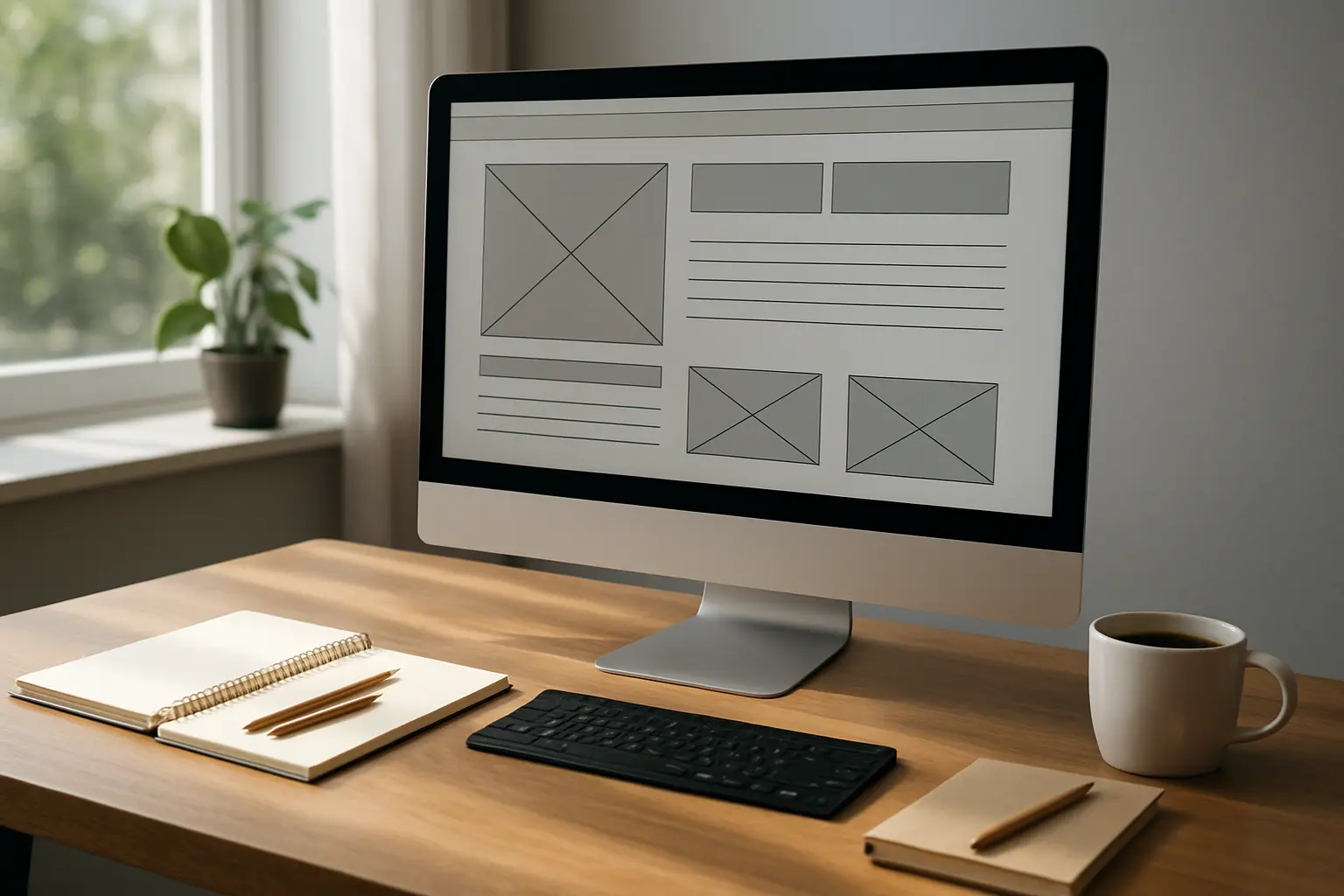
What to Expect During the Website Development Process: A Step-by-Step Guide
The website development process can seem complex, especially if you’re planning a new site, online store, or custom application for your business. This step-by-step guide explains what to expect, from initial planning to launch and beyond, with practical insights tailored for business owners and teams considering digital transformation.
In this article:
- Key takeaways
- How Does the Website Development Process Work?
- What Are the Main Phases of a Website Build?
- How Long Does a Typical Website Project Take?
- What Should You Know Before Starting Your Web Project?
- Frequently Asked Questions
- Conclusion
Whether you run a small company, a growing e-commerce business, or manage a larger organization, understanding each phase helps ensure your project’s success. This article will help you make informed decisions and get the most out of your investment.
Key takeaways
- Understanding each phase of the website development process helps set clear expectations.
- Project timelines vary by complexity; clear scope, prepared content and fast feedback keep them short.
- Clarify before signing what is included — content, SEO basics, hosting and post-launch support.
How Does the Website Development Process Work?
The website development process is a structured sequence of web project steps that transforms an idea into a fully functional digital platform. For businesses of all sizes—whether you need a company presentation site, a scalable online store, or a custom application—the journey usually begins with an initial consultation. Here, the agency and client discuss business objectives, target audience, and desired features. Thorough discovery at this stage is what keeps the project aligned with your goals later on.
Following the consultation, the process typically includes:
- Project Planning: Defining scope, timeline, and deliverables based on your needs and resources.
- Design & Prototyping: Creating click-through prototypes and design systems, often using a mobile-first approach to ensure optimal usability on any device.
- Development: Coding the website or online store, integrating features such as payment gateways or warehouse management (especially for e-commerce), and connecting with third-party tools as needed.
- Content Integration: Populating the site with images and text. Some agencies prepare the copy and visuals themselves, which minimizes the effort required from you.
- Testing & Review: Rigorous quality assurance, security checks, and client feedback sessions before launch.
- Launch & Support: Deploying the site on secure hosting, setting up backups and SSL, and providing ongoing support and maintenance.
Client-Agency Collaboration: Setting Expectations
Clear communication is essential throughout every phase. Clients should expect regular updates, milestone approvals, and hands-on involvement in reviewing prototypes and delivering feedback. Ask at the start how often you will see progress, who approves what, and how many revision rounds are included.
What to Prepare Before Starting
- Business goals and priorities: Define what you want to achieve with your new website or store.
- Reference sites: Examples of websites you like can help communicate your preferences.
- Brand assets: Logos, color palettes, and any existing materials you want to use.
- List of products or services: Especially important for e-commerce and B2B projects.
What Are the Main Phases of a Website Build?

The website development process unfolds through several well-defined phases that shape the final product and ensure it meets your business needs. Whether it’s a company website, an e-commerce store or a custom application, the core steps are similar; what changes is the depth of each phase.
- Discovery: This initial phase involves gathering requirements, understanding your brand, and defining project goals. For example, an e-commerce project will focus on catalog structure and payment integrations, while a custom application may require a more technical discovery process involving API mapping and workflow analysis.
- Design: Prototyping takes center stage here. Clickable prototypes give you a tangible sense of the user journey before any coding starts. A mobile-first approach ensures that websites and online stores look and perform flawlessly across devices. The design system—covering typography, color palettes, and reusable UI components—lays the groundwork for consistency and scalability.
- Development: The approved designs are translated into code, or configured on the chosen platform. For online stores this includes the catalog, payments and delivery; custom applications are built with the specific functionality and integrations they require.
- Testing: Comprehensive testing is performed on various devices and browsers. This phase also includes SEO fundamentals, security checks, and performance optimization—integral for both user experience and search engine visibility.
- Deployment: Once everything is approved, the site or application goes live. Hosting with SSL, backups and monitoring should be ready before launch day. Maintenance plans are set up for regular updates, content edits, and security patches.
How Phases Vary by Project Type
| Phase | Standard Website | E-commerce | Custom Application |
|---|---|---|---|
| Discovery | Brand & content goals | Product catalog, payments | Workflow, integrations |
| Design | Prototyping, blog features | Cart/checkout flows | Clickable app flows |
| Development | Content, blog, SEO basics | Catalog, payments, product copy | Custom code, APIs |
| Testing | Responsive, SEO, security | Payment, inventory, speed | Functionality, integrations |
| Deployment | Go-live, hosting, monitoring | Go-live, payment systems | Go-live, user onboarding |
Incorporating hosting, SEO, and maintenance from the early stages means fewer surprises after launch. For those moving an existing site as part of the project, our website migration guide provides practical steps for a seamless transition without downtime or SEO loss.
How Long Does a Typical Website Project Take?
Understanding the timeline of a website development process is crucial for planning your digital project. Several factors can influence how long it takes to go from idea to launch, and knowing what to expect helps you keep your web project on track.
Key Factors That Affect Your Website Timeline
- Project Scope: The number of pages, features, and integrations required will significantly impact the duration. A simple business site is typically delivered faster than an extensive online store or custom application.
- Client Feedback Cycles: Timely feedback and decision-making by all stakeholders are essential. Delays often occur when feedback is slow or requirements change mid-project.
- Content Preparation: Missing texts and images are the most common cause of delays. If the agency prepares content, this bottleneck largely disappears.
Typical Timelines for Different Project Types
| Project Type | Key Features | Estimated Timeline |
|---|---|---|
| Business Website | Presentation pages, blog, contact form | 2–4 weeks |
| Online Store | Product catalog, payment integration, inventory | 3–6 weeks |
| Custom Web/Application | Unique workflows, API integrations, user roles | 6+ weeks |
These timeframes are based on a clear scope and efficient collaboration. For example, Devizzo’s website development delivers the first version of a standard business site in about 10 days, with copy and images prepared by the team.
The Impact of Ready-Made Platforms and AI Automation
Ready-made platforms and AI tools can shorten several steps. An e-commerce platform with built-in catalog, payments and stock management removes much of the development work, and AI-generated drafts of product descriptions speed up content preparation for large catalogs. The time saved is best spent on reviewing content and testing.
Tips for Keeping Your Project on Track
- Define your goals and must-have features before starting.
- Appoint a decision-maker or small team responsible for approvals and feedback.
- Respond promptly to design and content drafts to avoid bottlenecks.
- Agree early on key messages and calls to action, so content isn’t rewritten at the last minute.
Choosing a provider that offers a full-service, turnkey approach—including web design, hosting, and content—can further reduce your website timeline and ensure a seamless experience from start to finish.
What Should You Know Before Starting Your Web Project?
Before launching into a new web project, preparation is key to a smooth website development process. Whether you’re building a company site, an online store, or a custom application, knowing what to expect—and what questions to ask—will set the stage for a successful collaboration with your digital agency.
Essential Questions to Ask Your Digital Agency
- What is included in your service? Make sure to clarify if services like copywriting, SEO basics, hosting, and ongoing support are part of the offer.
- What is the project timeline? Ask for an estimated schedule of major website build phases, including design, development, and testing.
- How are revisions and feedback handled? Understanding the feedback process will help prevent miscommunication and delays.
- What post-launch support is available? Discuss details about maintenance, security, and potential future updates to your site.
Why an All-in-One Agency Simplifies the Process
Working with one team for design, development, content, SEO, hosting and maintenance streamlines communication and project management. With a single team responsible for every step—from your initial idea to ongoing marketing and technical support—you avoid the complications of coordinating multiple vendors. This integrated approach is particularly valuable for businesses seeking digital transformation or a turnkey online store.
Client Responsibilities and Preparation
- Define your goals and must-haves: Be clear about your primary objectives (e.g., lead generation, online sales, brand presentation) and any specific features you require.
- Prepare reference materials: Even if the agency handles copy and images, sharing examples of brands or sites you like helps the design process align with your vision.
- Ensure availability for feedback: Timely responses during prototyping and review stages will keep your website timeline on track.
Ongoing Support, Hosting, and Maintenance
After your site is launched, ongoing care is essential for security, performance, and SEO. Good hosting includes SSL certificates, backups and security monitoring. Regular maintenance covers updates, content changes, and security patches—so you can focus on your business, not technical upkeep. For a deeper dive into how to protect your business online, read our guide to essential website security practices.
Frequently Asked Questions
What are the main steps in the website development process?
The website development process typically includes initial consultation and strategy, UX/UI design with prototypes, content creation or curation, development and integration of features, testing, and deployment. After launch come hosting, SEO and ongoing maintenance.
How long does it take to build a business website or online store?
Timeline depends on project scope, complexity, and client responsiveness. Standard business websites and online stores on an existing platform are often delivered within a few weeks. Custom features or large-scale solutions may require more time due to added design and integration steps.
What information do I need to provide before starting a web project?
Before starting, you should clarify your business goals, desired functionalities, target audience, branding guidelines, and any specific content or product details. You don’t always need finished content — ask whether the agency writes copy and prepares images as part of the project.
What is included in website maintenance after launch?
Website maintenance typically covers regular updates, security patches, content changes, monitoring, backups, and technical support. Many providers can also take over maintenance of a site built by someone else.
How do agencies use AI tools to speed up website development?
Agencies leverage AI for faster content creation, automated product descriptions, smart image optimization, and efficient SEO setup. AI speeds up drafts and repetitive tasks, but design decisions, testing and final content review still need people.
Can I migrate my existing website to a new platform during a redesign?
Yes, migration to a new platform is possible and often part of a redesign. Plan the transfer of content, products and customer data, and set up 301 redirects so you keep your search rankings.
Conclusion
The website development process can seem overwhelming, but once you know the phases — discovery, design, development, testing and launch — it becomes clear and manageable. Clear goals, prepared materials and timely feedback do more to keep a project on schedule than anything else.
If you’re planning a new website, online store or application, Devizzo can walk you through the process and prepare a quote with a clear scope and timeline before any work starts.
Need help with this?
The service that covers this topic, with prices and what is included.
Related articles
Website Development Cost Serbia: Full Price Breakdown
What Is the True Cost of Website Development and Maintenance in Serbia?Understanding website development cost in Serbia is crucial for any business looking to establish or upgrade its online presence. Whether you are a startup, a growing e-commerce store, or a large enterprise, knowing what affects pricing and what you actually receive for your investment can save you time and money. In this article: Key takeaways What Factors Influence Website Development Cost in Serbia? How Much Does a Website Cost for Different Business Types? What Is Included in Website Maintenance Price in Serbia? How to Avoid Hidden Costs in Web Development and Get the Best Value? Frequently Asked Questions Conclusion This article breaks down the real costs of website development and maintenance in Serbia: what influences prices, what maintenance includes, and how to avoid hidden fees, so you can make informed decisions for your next project. Key takeaways Website development cost in Serbia depends on project complexity, business size, and service provider. Maintenance pricing should include updates, security, and reliable support to avoid unexpected expenses. Ready-made platforms and modules usually cost less and launch faster than building every feature from scratch. A detailed written proposal is the best protection against hidden costs. Budget for recurring costs—hosting, domain, maintenance, content and SEO—not just the launch price.What Factors Influence Website Development Cost in Serbia? The true website development cost in Serbia is shaped by several key factors that determine both the price and the value businesses receive. Understanding these drivers helps you better plan your budget and avoid unexpected expenses. Core Cost Drivers Project Scope: The number of pages, features like contact forms or e-commerce, and integrations with third-party tools all impact the final price. Design Complexity: Custom UI/UX design, interactive elements, and brand-specific visuals typically increase costs compared to using standard templates. Custom Development vs. Ready-Made Solutions: Tailor-made functionalities require more development time and resources, while pre-built modules or proprietary platforms can streamline the process and reduce expenses. Required Functionalities: Features like online payments, AI-driven product descriptions, or multi-language support add to both development and maintenance costs.Freelancers vs. Web Agencies vs. Full-Service Digital Agencies Provider Type Typical Pricing Pros Cons Freelancer Lowest Budget-friendly, flexible Limited capacity, may lack ongoing support Standard Web Agency Mid-range Broader expertise, team approach May not cover all digital needs Full-Service Digital Agency Varies by scope Web, e-commerce, apps, SEO and hosting from one team, ongoing support Initial investment can be higher than a freelancerImpact of Proprietary Platforms and Ready-Made Modules Whether a provider builds on an existing platform with ready-made modules or develops everything from scratch has a big effect on both cost and timeline. For example, an online store built on an e-commerce platform that already includes catalog, payment, and delivery modules avoids expensive ground-up development. This usually shortens delivery and keeps future maintenance simpler, while still allowing adjustments as the business grows. When evaluating website development cost in Serbia, look beyond the initial price and include the value of ongoing support and what happens after launch. How Much Does a Website Cost for Different Business Types? When evaluating the website development cost in Serbia, it’s crucial to consider the business size and project complexity. Micro businesses and entrepreneurs may require a simple presentation website, while larger companies or e-commerce sellers often need more advanced solutions. The cost of a website varies significantly depending on whether you need a basic site, an online store, or a custom-built application. As a concrete reference point, the table below shows Devizzo’s published starting prices. Final prices depend on scope, design, integrations, and the level of ongoing maintenance. Project Type Starting Price Presentation website from €490 Website with a blog from €890 Online store from €990 one-time, plus a platform subscription Custom application (MVP) from €2,000 Hosting from €9 per month Website maintenance from €49 per monthFor micro and small businesses, a simple presentation website is often enough and can be launched quickly. E-commerce sellers need a platform with a product catalog, integrated payments, and delivery options; AI-assisted product descriptions can reduce the work of filling a large catalog. Custom applications, which involve unique business processes or integrations, usually require a higher investment because of planning, prototyping, and longer development. Reusing proven components instead of building everything from scratch is the main way to keep that cost under control. Keep in mind that the total price may also be influenced by ongoing needs such as technical SEO, content creation, and regular website maintenance. For more detail about what to expect throughout each stage, visit the Website Development Process article. What Is Included in Website Maintenance Price in Serbia?Understanding what is truly included in the website maintenance price in Serbia is crucial for managing your digital investment over time. Maintenance is not just about keeping your site online—it encompasses a range of ongoing services that protect, optimize, and update your digital presence. When working with a web agency in Serbia, it’s important to know which services are standard and which might incur extra costs. Standard Website Maintenance Services Content Updates: Regularly adding or editing text, images, or product information to keep the site current and engaging. Security Upgrades: Applying security patches and software updates to prevent vulnerabilities and cyber threats. Backups: Routine backups of your website data ensure you can recover quickly from technical issues or data loss. Monitoring: Continuous monitoring of website uptime, performance, and potential threats, allowing for swift response to issues.Some agencies combine these maintenance tasks with hosting and technical SEO support, so updates, security, and search optimization are handled by the same team. When hosting includes daily backups, DDoS protection, and 24/7 monitoring, the maintenance process becomes less fragmented. Keep in mind that hosting, domain renewal, maintenance, and content or SEO work may each be billed on a different schedule, so budget for each one separately. Hidden Costs in Website Maintenance—and How to Avoid Them One of the most common challenges is the appearance of hidden costs in web development and maintenance. These can include: Extra charges for urgent or out-of-scope content changes Fees for restoring backups or handling security incidents Unplanned costs for compatibility updates after major browser or platform changes Additional billing for technical SEO adjustments or website speed optimizationTo avoid these surprises, it’s important to clarify upfront what is included in your maintenance agreement and how additional requests are billed. Fixed maintenance packages and platforms with ready-made modules help reduce these hidden costs, because less custom code needs to be maintained. Before signing a contract, discuss scenarios like redesigns versus building a new site—see more in Website Redesign vs New Website—and make sure you understand all maintenance inclusions. How to Avoid Hidden Costs in Web Development and Get the Best Value? When considering website development cost in Serbia, many businesses focus on the initial quote, but hidden costs can easily inflate the final amount. Some of the most common hidden expenses include extra revisions beyond what was agreed upon, integrating third-party tools or payment systems, migrating existing content, or the absence of reliable ongoing support. For example, a basic package may not cover necessary features like SSL certificates, multi-language support, or technical SEO, leading to unexpected charges later in the process. Choosing a web agency in Serbia that provides design, development, hosting, and maintenance under one roof can reduce these risks. When technical, design, and marketing work is coordinated by one team, pricing is easier to follow and you avoid miscommunication and extra fees from juggling multiple providers. How to Ensure Transparent Pricing and Long-Term Value Request a detailed proposal: Ask for a breakdown of what is included—design, development, integrations, content migration, initial SEO setup, and routine maintenance. Ask about support and updates: Clarify what ongoing support covers and whether security updates or minor changes are included in the maintenance plan. Compare models: Understand the difference between custom-built websites and website builders; for more insight, see Custom Website vs Website Builder. Check for scalable solutions: Opt for agencies that offer modular systems, so you only pay for what you need now, with the option to expand later. Review contracts: Insist on a clear, written contract that outlines deliverables, deadlines, and all costs, including potential extras. Cost Element Potential Hidden Fees How to Avoid Revisions Charges for extra design or content changes Negotiate included revision rounds upfront Integrations Adding payment, CRM, or analytics tools List all integrations needed before signing Content Migration Moving old site content to new platform Ensure migration is included in the offer Ongoing Support Extra costs for bug fixes, security, or updates Choose agencies with included maintenanceThe more of these items are written into the proposal before work starts, the closer the final invoice will be to the initial quote. Frequently Asked Questions How much does a basic website cost in Serbia? The cost of a basic website in Serbia depends on design, functionality, and the provider. Prices are generally lower than in Western Europe; as a reference, a simple presentation website at Devizzo starts at €490, with hosting and the first year of maintenance included. What are the ongoing website maintenance costs for Serbian businesses? Ongoing maintenance costs depend on the type and complexity of the site and the scope of services included. Regular content updates, security patches, backups, and monitoring are standard. Packages that bundle these services make expenses easier to predict. Are there any hidden fees when working with a web agency in Serbia? Reputable agencies provide transparent pricing, but always clarify what is included. Hidden fees can come from additional features, premium hosting, or post-launch changes that were not covered in the agreement. How does the choice of platform affect website development cost in Serbia? The platform has a significant impact on total costs. Platforms with ready-made modules lower development time and expenses for both websites and online stores, while fully custom or enterprise solutions require larger budgets because of extensive customization and integrations. Does website hosting include maintenance? Not automatically. Hosting provides the server environment, while maintenance covers software updates, security checks, backups, monitoring, and site changes. Some providers bundle selected services, so check the agreement for what is included and who handles updates. Can I maintain my business website myself? You can handle basic tasks such as updating text, checking forms, and reviewing content if you have the time. Technical updates, security monitoring, backups, and troubleshooting require more expertise, especially for online stores and custom applications. A practical approach is to manage routine content yourself and leave technical maintenance and hosting to a professional. What should I look for when choosing a web agency in Serbia? Look for experience with businesses like yours, a portfolio you can check, transparent communication, and a clear plan for support after launch—covering hosting, maintenance, SEO, and marketing if you need them. Conclusion The true cost of website development and maintenance in Serbia depends on project complexity, business type, and the scope of ongoing support. A detailed proposal, a realistic budget for recurring costs, and a partner that stays with you after launch help businesses of all sizes avoid unexpected expenses. If you want a modern website, online store, or custom application with clear pricing and dependable support, take a look at Devizzo’s website development services.
Devizzo
9 October 2026
Website Redesign vs New Website for Growing Companies
Website Redesign vs. New Website: What’s Best for Growing Companies?Choosing between website redesign vs new website is a crucial decision for any growing company. This article will guide you through the main differences, benefits, and scenarios where each option is ideal. You’ll discover how each approach impacts your brand, user experience, and digital growth. In this article: Key takeaways Understanding Website Redesign Benefits for Modern Businesses When Is a New Website the Best Solution? Website Redesign vs New Website: Comparative Overview How to Choose the Right Approach for Your Company Frequently Asked Questions Conclusion If you’re a business owner or team needing a digital upgrade, understanding whether a redesign or a brand-new site better serves your goals can help you save time, optimize your investment, and achieve a stronger online presence. Key takeaways Website redesign is ideal for companies needing updated visuals, improved UX, and incremental changes. A new website is best for businesses facing major technical or strategic shifts. Cost, scalability, and business goals are key factors when choosing between a redesign and a new website. Whichever you choose, protect existing SEO value with redirects and plan maintenance from day one.Understanding Website Redesign Benefits for Modern Businesses Website redesign refers to the process of updating an existing website’s structure, design, and functionality without building it from scratch. For modern businesses, especially those in competitive markets, this approach delivers several substantial advantages: Enhanced User Experience (UX): A redesign allows companies to implement new navigation structures, faster load times, and responsive layouts, all of which contribute to higher user engagement and lower bounce rates. SEO Improvements: Integrating the latest SEO best practices, such as schema markup and improved site architecture, helps websites rank higher on search engines, directly impacting visibility and traffic. Consistent Branding: As businesses evolve, their branding often changes. A redesign ensures the website visually aligns with updated logos, color schemes, and messaging, creating a unified brand presence across all digital channels.Choosing a website redesign is often the most cost-effective option when the underlying technology is still sound, but the site feels outdated or no longer reflects the company’s current goals. For growing businesses, this means retaining core data and SEO value while refreshing the look and boosting performance. For example, a retailer might opt for a redesign to present new product lines and promotions while keeping its existing e-commerce platform intact — and rely on regular maintenance to keep the redesigned site secure and up to date. Here’s a quick overview of the primary website redesign benefits compared to launching a completely new site: Website Redesign Benefits When It’s Most Effective Considerations for Businesses Improved navigation and mobile experience When site structure is solid but design feels dated Faster implementation, lower cost than new site SEO optimization with retained rankings When SEO equity is valuable and shouldn’t be lost Ongoing SEO monitoring and updates recommended Brand consistency and updated visuals When branding or services have evolved Essential for companies with frequent content updatesFor companies operating in dynamic sectors or relying on regular content and product updates, website redesign — backed by professional maintenance — delivers a flexible path to digital growth. Redesign or Just a Refresh? Before committing to a redesign, check whether a lighter refresh would do. A refresh keeps the structure, navigation and technology and updates only selected elements: imagery, colors, typography, calls to action, outdated copy, page speed and basic SEO. It usually takes days to a few weeks and carries little risk. A redesign rethinks layout, user journeys and often the design system, so it takes longer and needs more careful SEO planning. If your visitors find what they need and the site converts reasonably well, start with a refresh; if they get lost or the site no longer reflects what you sell, a redesign is the better investment. When Is a New Website the Best Solution? There are moments when a simple website redesign is not enough to support your company’s growth or keep pace with industry demands. In these cases, building a new website becomes the best—and sometimes the only—solution. But how do you know when it’s time to make that leap? Key scenarios that require a new website: Outdated technology: If your current site is built on old, unsupported platforms, or lacks mobile responsiveness, upgrading core infrastructure is often impossible without starting fresh. Replatforming or digital transformation: Moving to a new CMS, integrating AI features, or switching to custom solutions (for example, moving from a basic site builder to a full e-commerce platform) usually requires a new build. Major business pivots: Companies that change their business model, expand into e-commerce, or introduce new products/services at scale may need new architecture, workflows, and integrations that a redesign can’t deliver. Security concerns: Sites with fundamental security flaws, or those that have been compromised, are often safer to rebuild entirely.For many growing businesses — especially those scaling quickly, adding online stores or requiring advanced integrations — a new website is the better route, ideally planned together with hosting, SEO and maintenance. Criteria Redesign New Website Technical Foundation Uses existing platform Completely new stack & infrastructure Typical Cost Lower, depends on scope Higher; depends on scope, features and integrations Time Investment Faster Longer, but enables broader changes Best for Cosmetic/UI improvements Replatforming, major growth, new business models Feature Expansion Limited by legacy structure Broad — new integrations, custom logic, advanced commerceBoth small startups and established enterprises may need a brand new site. For example, a mid-sized retailer expanding into B2B e-commerce will outgrow a basic website and benefit from a custom store with integrated inventory, payments, and wholesale price lists, which a simple brochure site cannot provide. Investing in a new website also opens doors to modern standards, automation, and long-term scalability. If you’re comparing bespoke builds to template-based approaches, see our guide on custom website vs template for a deeper look at what each option delivers. Website Redesign vs New Website: Comparative OverviewWhen evaluating website redesign vs new website, understanding the tangible differences between these approaches is crucial for companies aiming to grow, transform, or expand their digital presence. Below is a side-by-side comparison of key decision factors: Criteria Website Redesign New Website Cost Lower upfront investment; leverages existing structure; ideal if core features remain usable Higher initial investment; starts from scratch; aligns with modern standards and business needs Timeline Shorter, especially if content and architecture are retained Longer, as every element is created, tested, and integrated anew Flexibility Limited by legacy systems and previous decisions; major changes may be constrained Maximum flexibility; tailored to current and future requirements Scalability Incremental improvements possible; may face technical limits as business grows Built for scale; can integrate new features, e-commerce, and AI tools from the start SEO Impact Risk of losing rankings if not managed carefully but faster to implement SEO improvements Opportunity to build an SEO-friendly structure from scratch, but may need time to regain rankingsFor businesses focused on rapid growth or digital transformation, a new website on a modern platform usually offers more flexibility and scalability than patching an old one. On the other hand, if your existing website’s structure still meets your business needs and your main goals are visual refresh or incremental functionality, a redesign may be a more cost-effective and faster solution. However, for e-commerce expansion, integrating advanced features, or overhauling outdated systems, starting fresh often proves to be the smarter investment in the long run. Consider that an all-in-one agency with expertise in full-cycle development, hosting, and website maintenance can ease the transition in both scenarios—helping you avoid common pitfalls and ensuring long-term sustainability. For deeper insight into the ongoing value of regular updates and monitoring, see why website maintenance matters. How to Choose the Right Approach for Your Company Choosing between a website redesign and building a completely new website is a pivotal decision for any growing business. Before committing to either approach, it’s important to step back and ask the right questions that target your company’s unique needs, digital maturity, and future ambitions. Key Questions to Guide Your Decision What are the main business goals for your online presence? Is your focus on scaling e-commerce, improving lead generation, or enhancing brand perception? Is your current website built on outdated technology, or is it simply misaligned with your brand and strategy? A redesign works well for visual and UX improvements, but foundational technical limitations may require a complete rebuild. How much flexibility do you need for future growth? If your business plans include new features, integrations, or significant expansion, a new website may offer more scalability. What is your current investment in content, SEO, and integrations? If your site already performs well in search and has complex integrations, a targeted redesign can preserve and enhance this value. What is your budget and expected time-to-market? Assess both the financial and operational impact, including the ongoing costs of website maintenance and support.Practical Advice by Company Profile Business Type Recommended Approach Key Considerations Small Business Redesign Cost-effective upgrade for branding and usability; retain existing content and SEO Scaling E-commerce New Website Modern platform for robust features, AI-driven product descriptions, and payment integrations Established Company with Complex Needs Depends Evaluate technical debt and future plans; consult experts for a tailored solution Digital-First Startup New Website Build for growth with mobile-first design and easy scalabilityWhichever path you choose, ongoing performance measurement is crucial. Learn how to track website success and ensure your investment delivers results. Frequently Asked Questions What are the main benefits of a website redesign for growing businesses? A website redesign helps growing businesses improve user experience, update branding, and implement new features without starting from scratch. It can enhance site speed, mobile responsiveness, and visual appeal, while integrating advanced tools like AI-driven content or e-commerce solutions. How do I know if my company needs a new website or just a redesign? If your current site’s structure and technology are outdated, or cannot support new business goals or integrations, a new website is likely the best solution. If your site’s foundation is solid but needs visual and functional improvements, a redesign is usually sufficient. A short audit of speed, SEO and the underlying platform usually makes the answer clear. What factors affect the cost of a new website compared to a redesign? Costs depend on the project scope, platform choice, required features, and integration complexity. A new website typically involves higher expenses due to complete development and data migration, while a redesign reuses existing assets, reducing costs. As a reference point, a basic new business website can start from a few hundred euros, while online stores and custom integrations cost considerably more. How often should businesses consider a website redesign? Most businesses benefit from a redesign every 2 to 3 years, or when there are significant changes in branding, technology, or user expectations. Companies experiencing rapid growth, entering new markets, or expanding services—such as e-commerce—should assess their website even more frequently to stay competitive and secure. Does a website redesign impact SEO rankings? A thoughtful redesign can improve SEO by optimizing site structure, speed, and content. However, poor execution can cause temporary ranking drops. Keep URLs where possible, set up 301 redirects for the rest, and monitor Search Console after launch. What is the typical timeline for a website redesign vs. building a new website? Redesign projects usually take several weeks, depending on complexity and content volume, while building a new website can require several months. Timelines vary based on requirements, integrations, and approval cycles. Is it better to update website design gradually or all at once? Gradual updates reduce risk and let you measure the effect of each change, which works well when the foundation is solid. A complete redesign delivers a cohesive new experience faster, but needs careful planning and testing. If the site’s structure is the problem, piecemeal changes rarely fix it. Conclusion Choosing between a website redesign and a completely new website is a strategic decision that depends on your company’s growth goals, digital maturity, and current online presence. Start from an honest assessment of what the current site does well and what holds it back, and the right option usually becomes clear. If your company is considering its next step, Devizzo can assess your current site and recommend a refresh, a redesign or a new build. Devizzo’s website development starts from €490 for a basic site, with hosting included.
Devizzo
7 October 2026

How to Choose Business Website Hosting for Success
How to Choose Business Website Hosting: A Step-by-Step Guide for CompaniesChoosing the right business website hosting is a key decision that directly affects your company's online presence, security and growth. Whether you are launching a company website, an e-commerce store or a web application, this guide explains step by step how to select hosting that supports your business goals. In this article: Key takeaways Why Is the Right Hosting Crucial for Your Business Website? What Hosting Features Matter Most for Business Success? How to Compare Web Hosting Providers for Your Business Needs Should You Choose Agency-Managed Hosting or Go DIY? Frequently Asked Questions Conclusion You will learn which hosting features matter most, how to compare providers, and whether managed hosting or a do-it-yourself setup makes more sense for your team. Key takeaways Hosting determines your site's speed, availability and security, which in turn affect sales, trust and search rankings. SSL, automated backups, DDoS protection, a web application firewall and monitoring are the baseline for business hosting. Compare providers on performance, support, scalability and the real total cost — not just the advertised monthly price. Managed hosting saves time for teams without IT staff; DIY hosting gives more control but demands expertise and attention.Why Is the Right Hosting Crucial for Your Business Website? Hosting is a foundational decision for any business website, because it affects every visit. Reliable hosting keeps your site fast and online, which is essential for building trust and turning visitors into customers. Slow load times, outages or security lapses frustrate users and can harm both your reputation and your search rankings. For online stores and company websites, the risks are even bigger. Downtime means lost sales, while weak security can lead to data breaches, stolen customer information and legal consequences. In competitive markets, even short unavailability can send customers to a competitor. Many businesses pick the cheapest provider or try to manage hosting themselves, only to face hidden costs later: manual troubleshooting, lost data or expensive emergency fixes. A more reliable approach is to choose hosting where SSL certificates, daily backups, DDoS protection and continuous monitoring are included and managed for you. Performance: fast, stable hosting keeps your site accessible, even during traffic spikes. Security: protections such as web application firewalls and automated backups safeguard customer data and business continuity. Peace of mind: when someone is clearly responsible for monitoring and fixes, your team can focus on the business.Hosting is closely tied to maintenance: updates, patches and checks keep the site healthy long after launch. For more on that, see why website maintenance matters for every business. What Hosting Features Matter Most for Business Success?For a business, hosting is more than storage and bandwidth: it is the foundation for reliability, growth and customer trust. Here is what to look for: SSL Certificates: essential for secure transactions and trust, especially for e-commerce and B2B sites. Ideally they renew automatically. Automated Backups: daily backups — and verified restores — protect you against data loss, accidental changes or attacks. Scalability: hosting should handle more traffic, new features or larger catalogs without a painful move. Security: DDoS protection, a web application firewall (WAF) and constant monitoring help prevent breaches and keep the site online. Support: fast, knowledgeable support minimizes disruption when something goes wrong. Uptime Commitment: look for providers that state their availability targets clearly and report on them. Fast Storage: SSD or NVMe disks noticeably improve loading times for dynamic sites and stores. Feature Basic Hosting Business Hosting SSL Certificate Sometimes extra or manual Included, auto-renewing Automated Backups Weekly or manual Daily, automated, restore-tested Security Features Basic DDoS protection, WAF, monitoring Support Email or tickets, limited hours Faster response, priority options Scalability Limited, fixed plans Upgrades without migration Staging Environment Rarely Often includedFor companies planning to grow online, these are not nice-to-haves — they are what lets you scale with confidence, keep data safe and offer a good experience from day one. How to Compare Web Hosting Providers for Your Business NeedsWhen you choose business website hosting, the provider affects speed, reliability, security and long-term flexibility. Use this checklist to compare: Performance: fast storage, a good network, data center location close to your customers and resources that match your traffic. Support: clear response times and proactive monitoring, especially for online stores and critical services. Scalability: can you upgrade resources without moving the site? Email and DNS: are business email on your domain and DNS management included, and are SPF, DKIM and DMARC supported? Integration with development: who deploys updates, who fixes issues, and how do your developer and hosting provider work together?Some businesses prefer to keep development, hosting and maintenance with one partner, so there is a single point of contact when something breaks. If you are weighing that option, our guide on choosing the right web development agency explains what to ask. Hosting Type Comparison Hosting Type Performance Support Scalability Integration with Development Generic Shared Hosting Basic, can slow down under load Email or tickets, limited hours Restricted, fixed plans Minimal, DIY setup Dedicated / VPS Hosting High, dedicated resources Varies by provider Flexible upgrades Requires technical know-how Managed Hosting from Your Web Partner Configured for your specific site Direct contact with the team that knows the site Planned together with growth Development, hosting and support in one placeIn any web hosting comparison, weigh not just the technical specs but also who will actually respond when something goes wrong, and how quickly. Should You Choose Agency-Managed Hosting or Go DIY? One of the biggest decisions is whether to manage hosting internally or outsource it. The right choice depends on your company's size, technical resources and priorities. Criteria Agency-Managed Hosting DIY Hosting Setup & Technical Maintenance Handled by specialists; no in-house knowledge needed Hands-on setup, monitoring and troubleshooting Security & Compliance Updates, backups and security handled proactively You are responsible for patches and security Time Investment Minimal Significant and ongoing Customization & Flexibility Tailored, within the provider's platform Full control, more complexity Support Professional support as agreed Depends on host or internal capabilitiesFor most small and mid-sized businesses, managed hosting delivers clear advantages: faster deployment, expert support and services such as SSL, daily backups and security protection included. If you have no dedicated IT staff, outsourcing usually means more efficiency and fewer surprises. It is especially valuable when moving an existing store or site, where a careful migration avoids downtime — our website migration guide covers the steps. DIY hosting suits businesses with strong internal IT resources that need highly custom environments and are ready to handle daily management, security and updates. It demands time and expertise — any oversight can lead to breaches or downtime. Frequently Asked Questions What are the most important hosting features for a business website? Strong security (SSL, firewall, DDoS protection), daily backups, high availability, fast storage and monitoring. Companies also need scalable resources and reliable support. How does business website hosting differ from regular hosting? Business hosting offers better performance, security and support. It typically includes more resources, monitoring, automated backups, SSL certificates and priority support, while basic hosting leaves many of these to you. Can I switch my hosting provider without downtime? Yes, if the move is planned. The site is copied to the new server and tested, DNS TTL values are lowered in advance, and the domain is switched only when everything works. Done this way, visitors don't notice the change. Is managed hosting worth it for small businesses? Usually yes, for businesses without in-house IT. It covers server updates, security and backups, saves time and reduces risk, so you can focus on running the business. What security measures should I look for in business hosting? SSL certificates, regular backups, DDoS protection, a web application firewall, malware scanning, monitoring and timely security updates. How do I know if my business needs scalable hosting options? If your traffic fluctuates, you run an online store or you plan to grow, scalable hosting is important. It keeps your site fast during traffic spikes and lets you add resources without a migration. Conclusion Choosing hosting for your business website goes beyond technical specifications: it is about a secure, scalable foundation that fits your company's needs. For small and medium businesses and online stores alike, a setup that covers hosting, security and ongoing support is what keeps the site reliable as it grows. If you are planning a new site or moving an existing one, Devizzo's hosting includes SSL, daily backups, DDoS protection, a WAF and 24/7 monitoring, with migration of an existing site handled for you. You can also contact Devizzo to discuss what your project needs.
Devizzo
14 September 2026